On 19 March 2026 Israel experienced an unprecedented wave of kinetic attacks, marked by a series of Iranian ballistic missile launches, cluster munition strikes on the Haifa oil refinery, and extensive civil defense alerts across the country. The most consequential incident occurred at 22:51:02 when debris from an Iranian missile impacted the ground in Shefa‑Amr, northern Israel, confirming the penetration of Iranian long‑range weaponry into Israeli territory.
Footage of Iranian missile debris slamming into the ground in Shefa‑Amr, northern Israel.
The impact was captured by BellumActaNews (source) and, while no casualties were reported, it underscored the escalating reach of Iran’s missile campaign. The event followed a cascade of launches that began earlier in the day, targeting multiple regions and critical infrastructure.
Ballistic Missile Campaign Across Multiple Fronts
From the early morning hours, Iranian forces, including the Islamic Revolutionary Guard Corps (IRGC), launched a series of ballistic missiles toward northern, central and southern Israel. Notable launches include:
- 01:11:29 – Ballistic missiles toward central Israel (rnintel).
- 02:44:16 – Missiles toward northern Israel (rnintel).
- 03:44:27 – Third missile salvo within an hour aimed at northern Israel (rnintel).
- 04:50:17 – Additional missiles toward central Israel (rnintel).
- 05:33:20 – Missiles toward northern Israel (rnintel).
- 06:32:51 – A ballistic missile carrying cassette submunitions struck Jaljulia in central Israel (intelslava).
- 08:49:56 – Missiles toward central Israel (rnintel).
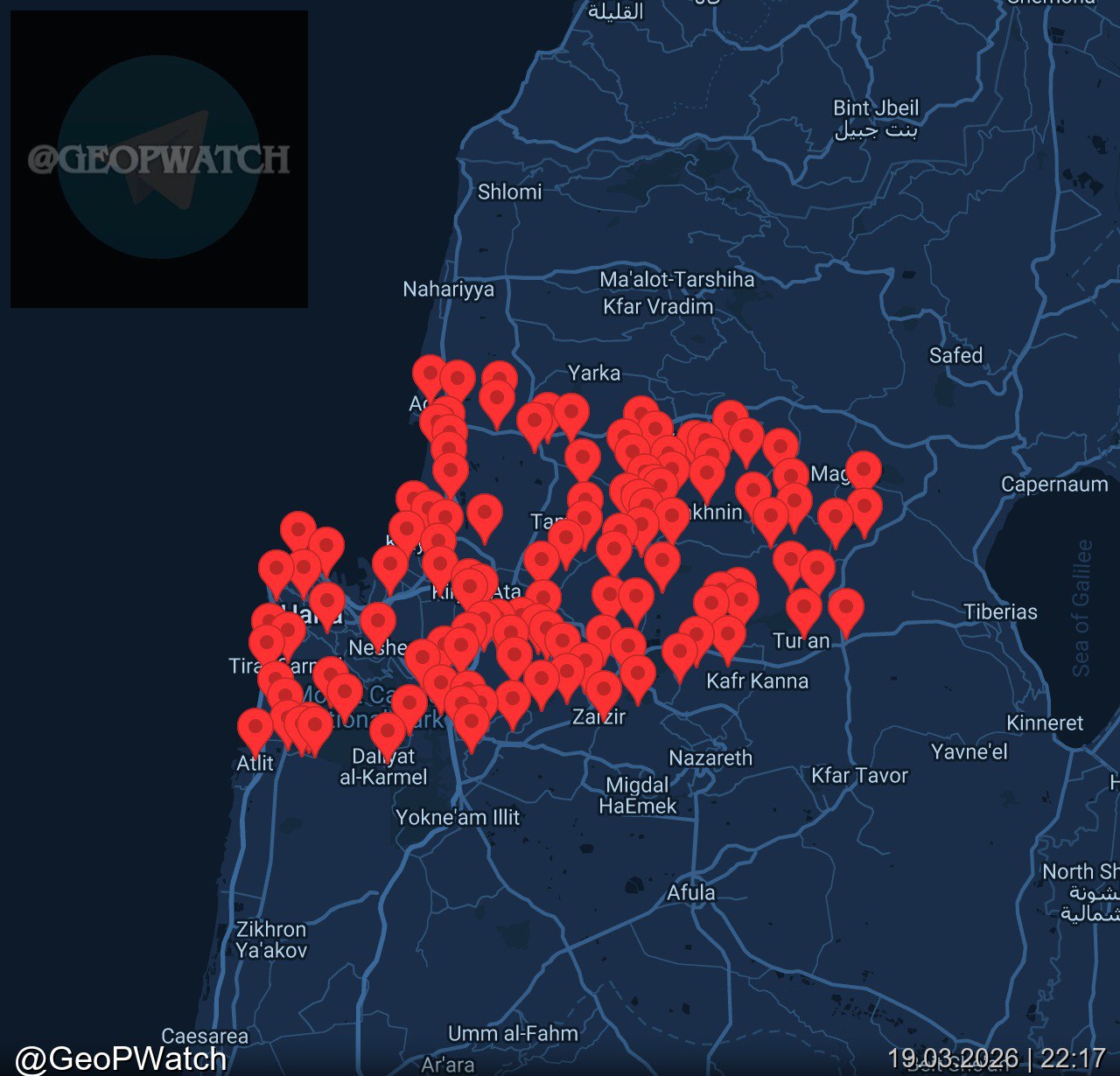
- 14:43:06 – Hezbollah rockets triggered red alerts in northern Israel (rnintel).
- 20:04:47 – IRGC launched a ballistic missile toward central Israel; a prior wave ten minutes earlier caused no impacts (GeoPWatch).
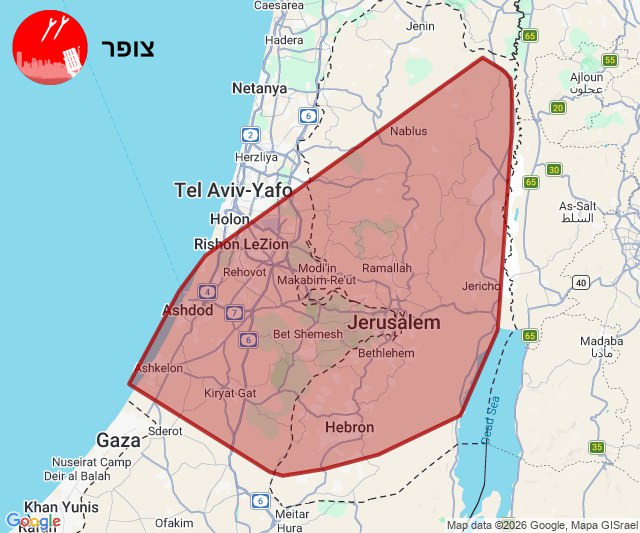
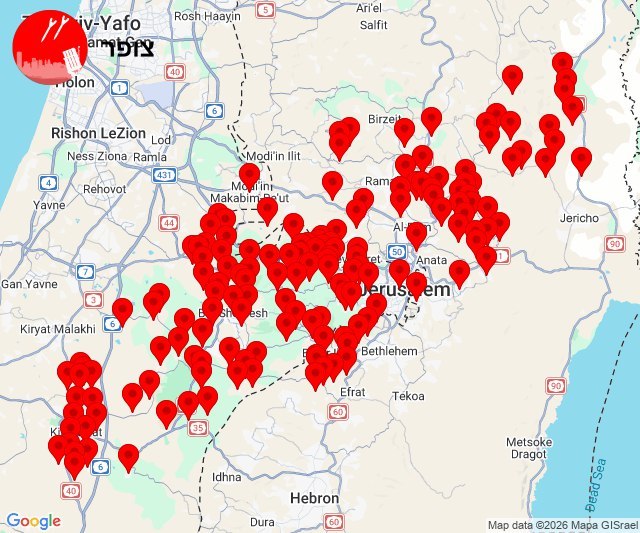
- 21:47:27 – Additional ballistic missiles aimed at Jerusalem (rnintel).
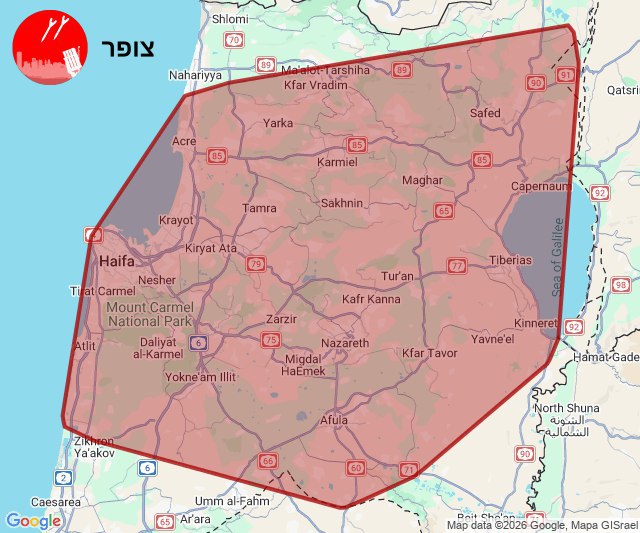
- 22:11:41 – Another ballistic missile toward northern Israel (GeoPWatch).
Across these launches, no confirmed fatalities were reported, but the sheer volume of missiles strained Israel’s air‑defence systems and prompted continuous alerts.
Cluster Munition Strikes on Haifa Oil Refinery
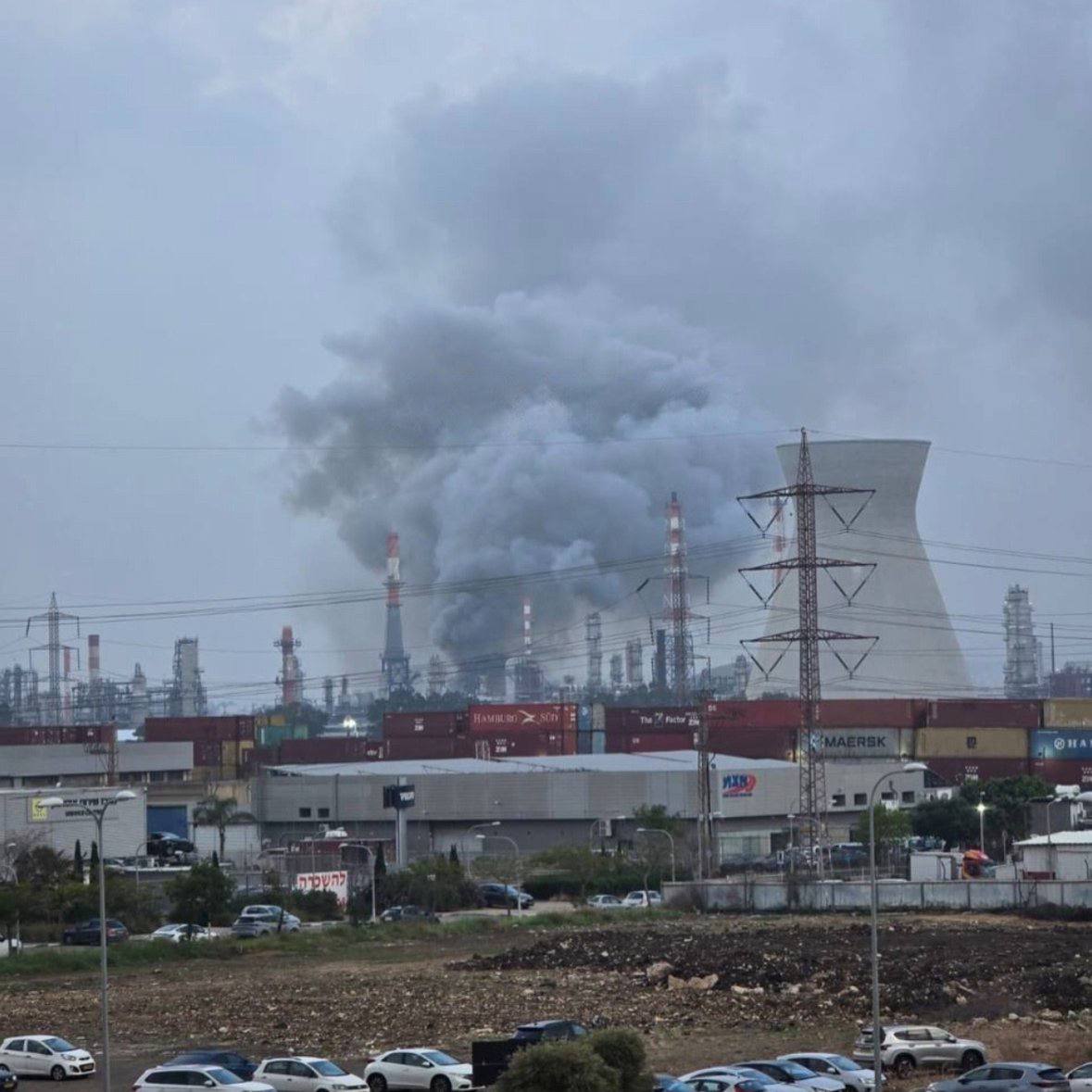
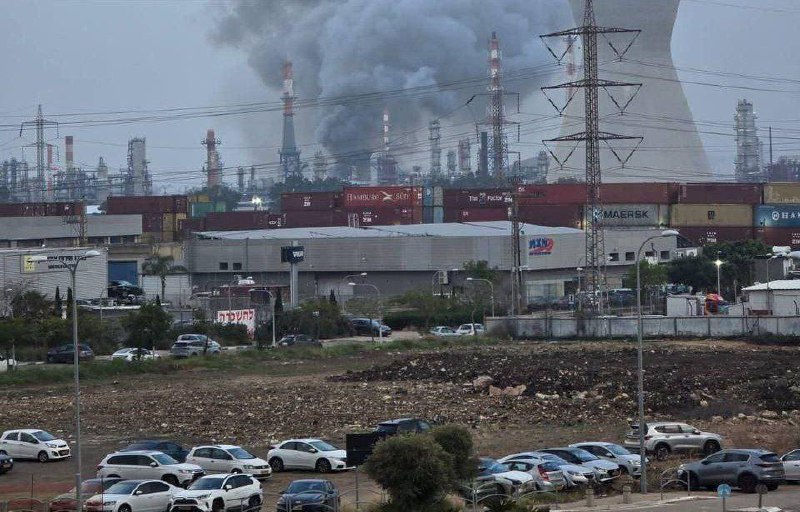
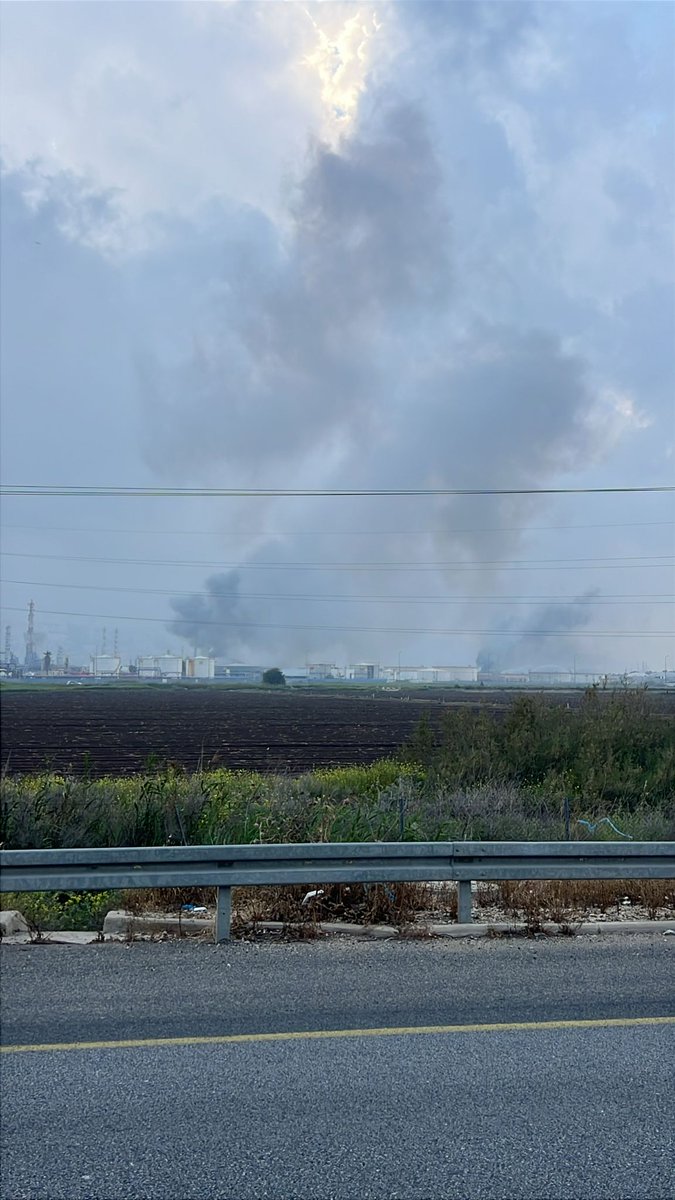
The Haifa oil refinery, Israel’s largest fuel processing facility, was hit multiple times by Iranian cluster munitions. Video evidence released by CIG_telegram at 16:22:34 documented six sub‑munition impacts (source). Additional footage from intelslava (18:31:29) and rnintel (15:52:30) confirmed the presence of cluster munitions and highlighted damage to refinery infrastructure.
While the refinery continued limited operations, the attacks threatened fuel supply chains that provide 50‑60 % of Israel’s domestic fuel. No civilian casualties were reported at the site, but the strikes prompted heightened security measures and temporary shutdowns of affected processing units.
Civil Defense Alerts and Siren Activity
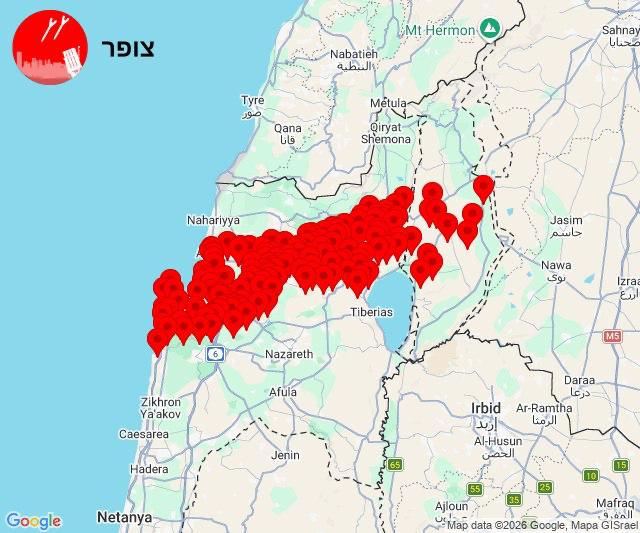
In response to the missile barrage, Israel’s Home Front Command issued a series of red‑alert sirens and air‑raid warnings across the country. Key alerts included:
- 22:05:56 – Rocket/Missile alert covering Jerusalem, Ein Kerem, Givat Ze'ev and surrounding neighborhoods (RocketAlert).
- 20:47:54 – Red alert for Jerusalem (GeoPWatch).
- 14:44:30 – Sirens activated in central Israel (rnintel).
- 14:54:05 – Additional sirens in northern and central Israel (idkunim_il).
- 08:59:29 – Powerful explosions reported in central Israel (idkunim_il).
These alerts were accompanied by visual confirmations of missile impacts near residential areas, notably in Kiryat Shmona where a missile strike caused several casualties (idkunim_il).
Hezbollah and Syrian Rocket Activity
Beyond Iranian attacks, the Lebanese militant group Hezbollah entered the kinetic arena on 19 March. At 05:01:11, Hezbollah fired rockets into southern Israel, marking the first such strike on the Gaza border area in the current conflict (OSINTdefender). The rockets prompted immediate alerts in the affected border communities.
Simultaneously, Syrian‑origin rockets targeted the Golan Heights. Hebrew media, cited by GeoPWatch at 18:44:20, reported nineteen rockets launched from Syrian territory, landing in open areas near IDF positions (GeoPWatch). No direct hits on military installations were confirmed, but the volume of fire heightened tensions along the northern front.
Infrastructure Impact and Regional Implications
The concentration of kinetic events on 19 March illustrates a coordinated effort to pressure Israel’s critical infrastructure while testing its missile‑defence capabilities. The Haifa refinery attacks, combined with ballistic missile impacts near Jerusalem and Shefa‑Amr, demonstrate a strategic focus on both energy security and civilian morale.
Israel’s response involved rapid activation of the Iron Dome and Arrow air‑defence systems, extensive civil‑defence siren networks, and emergency coordination between the Ministry of Defense and local authorities. While casualty figures remain low relative to the scale of attacks, the repeated strikes on energy facilities could have longer‑term economic repercussions if repairs are delayed.
Conclusion
The events of 19 March 2026 represent the most intensive kinetic assault on Israeli territory in recent months. Iranian ballistic missiles, cluster munitions, and sub‑munition‑laden warheads, supplemented by Hezbollah rockets and Syrian launches, created a multi‑theater threat environment. Continuous alerts and the absence of large‑scale casualties suggest that Israel’s defensive posture remains effective, yet the persistent targeting of critical infrastructure underscores the need for sustained vigilance.