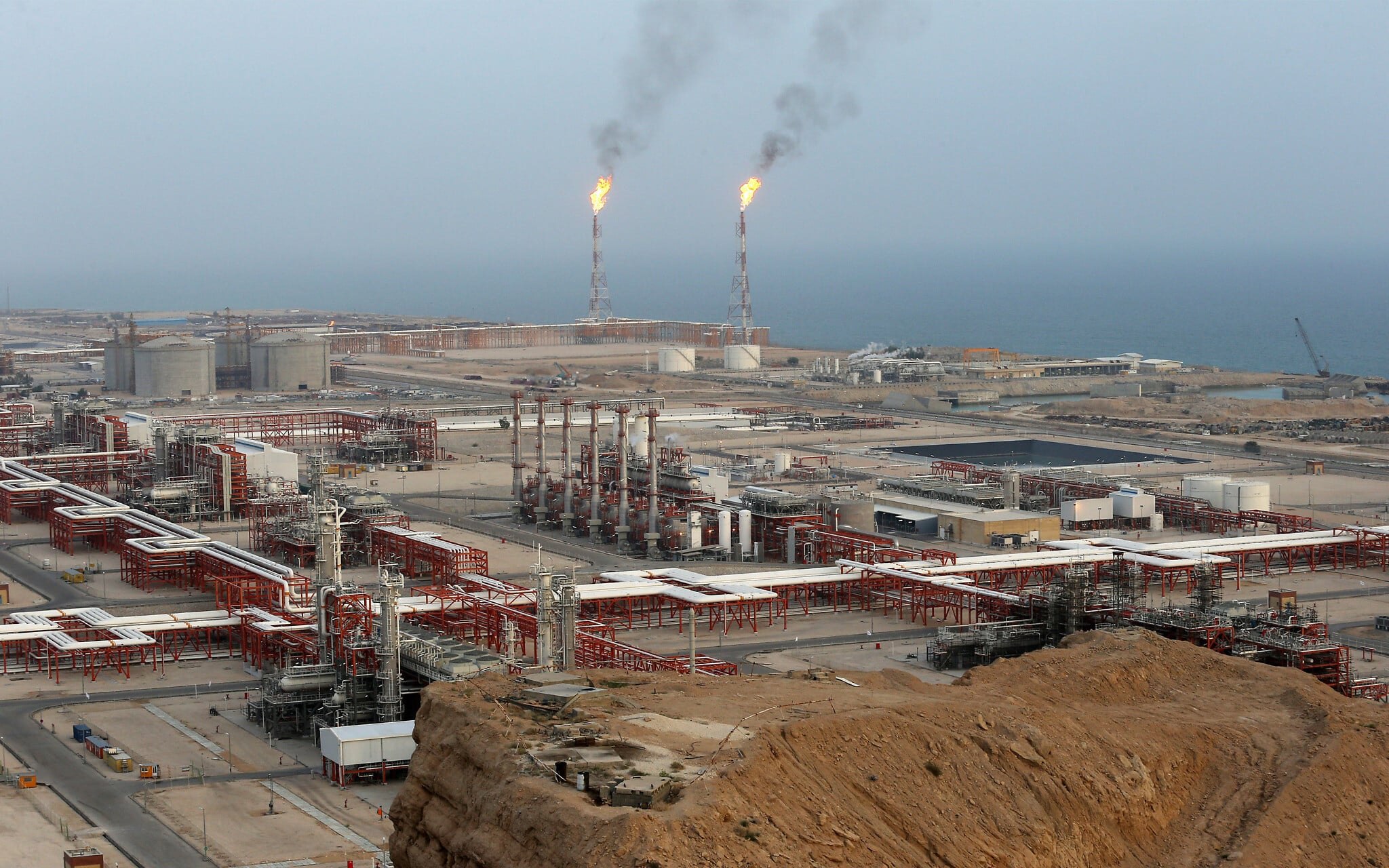
At 12:16 UTC on 18 March 2026, Israeli and/or United States aircraft struck energy infrastructure linked to the South Pars natural‑gas field in Bushehr Province, Iran. The attack, reported by monitor_the_situation (source URL https://t.me/monitor_the_situation/4497), targeted pipelines and processing units that feed roughly 70‑80 % of Iran’s domestic gas supply. The strike represents the most significant kinetic event of the day, marking a direct escalation of the ongoing Iran‑War and raising the risk of widespread energy disruption.
Critical Airstrikes on Energy Infrastructure
Within minutes of the South Pars strike, a second coordinated airstrike hit the natural‑gas facilities at Asaluyeh Port, also in Bushehr Province. Iranian state media Tasnim confirmed the attack, citing the same joint Israeli‑U.S. operation (monitor_the_situation, https://t.me/monitor_the_situation/4496). Both strikes were carried out without reported use of conventional munitions, suggesting precision‑guided weapons were employed to minimize collateral damage while disabling key export terminals.
Additional footage released later showed large fires at the South Pars complex, confirming extensive damage to processing equipment (GeoPWatch, https://t.me/GeoPWatch/29392). The combined effect of the two strikes is likely to curtail Iran’s gas output by an estimated 200‑300 million cubic metres per day, undermining domestic electricity generation (which relies on gas for ~86 % of output) and reducing export capacity to regional markets.
Secondary Strikes and Regional Expansion
Following the Bushehr attacks, Israeli forces expanded their operational envelope northward. At 20:41 UTC, the Israeli Air Force, coordinated with the Israeli Navy and air‑defence units, launched “Harry’s Roar” against undisclosed targets in northern Iran (idkunim_il, https://t.me/idkunim_il/56978). The same day, Israeli fighter jets struck over 200 missile‑storage sites across western and central Iran, according to monitor_the_situation (https://t.me/monitor_the_situation/4523). These actions aimed to degrade Iran’s ballistic‑missile capability ahead of further strikes.
In the Caspian Sea, Israeli aircraft engaged Iranian Navy assets at 19:15 UTC, marking the first known Israeli air operation in Iran’s northern maritime domain (monitor_the_situation, https://t.me/monitor_the_situation/4530). Simultaneously, the United States deployed Tomahawk cruise missiles from destroyers USS Pinckney and USS Milius against central‑Iran targets at 04:06 UTC (monitor_the_situation, https://t.me/monitor_the_situation/4469). The use of long‑range precision weapons underscores the multi‑theater nature of the conflict.
Ballistic Missile Launches and Naval Actions
Iranian forces responded with a ballistic‑missile launch toward central Iran at 21:31 UTC (monitor_the_situation, https://t.me/monitor_the_situation/4542). While the missile’s trajectory and impact remain unverified, the launch coincided with reports of Basij checkpoint attacks, raising concerns about internal security strains.
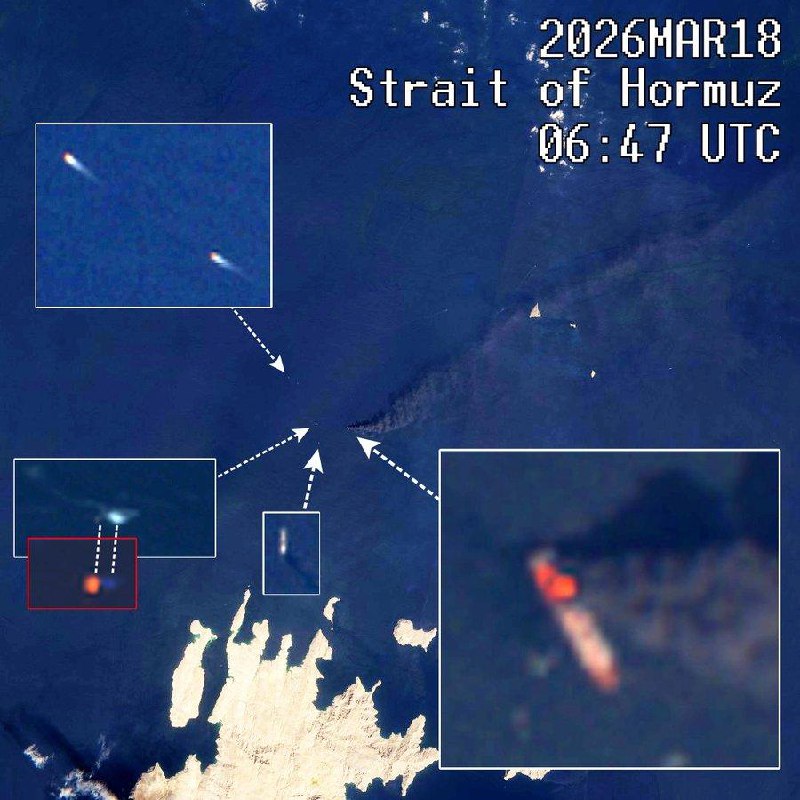
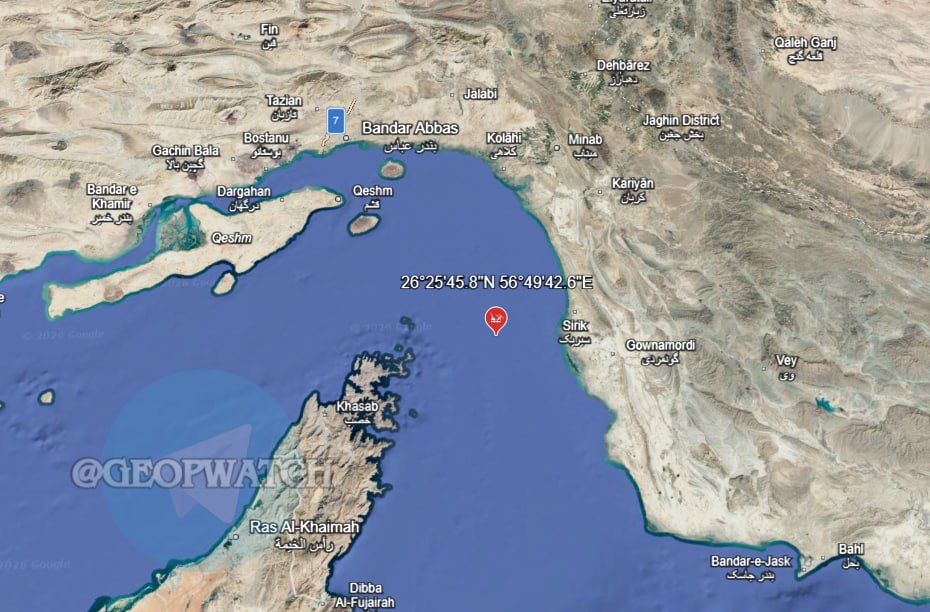
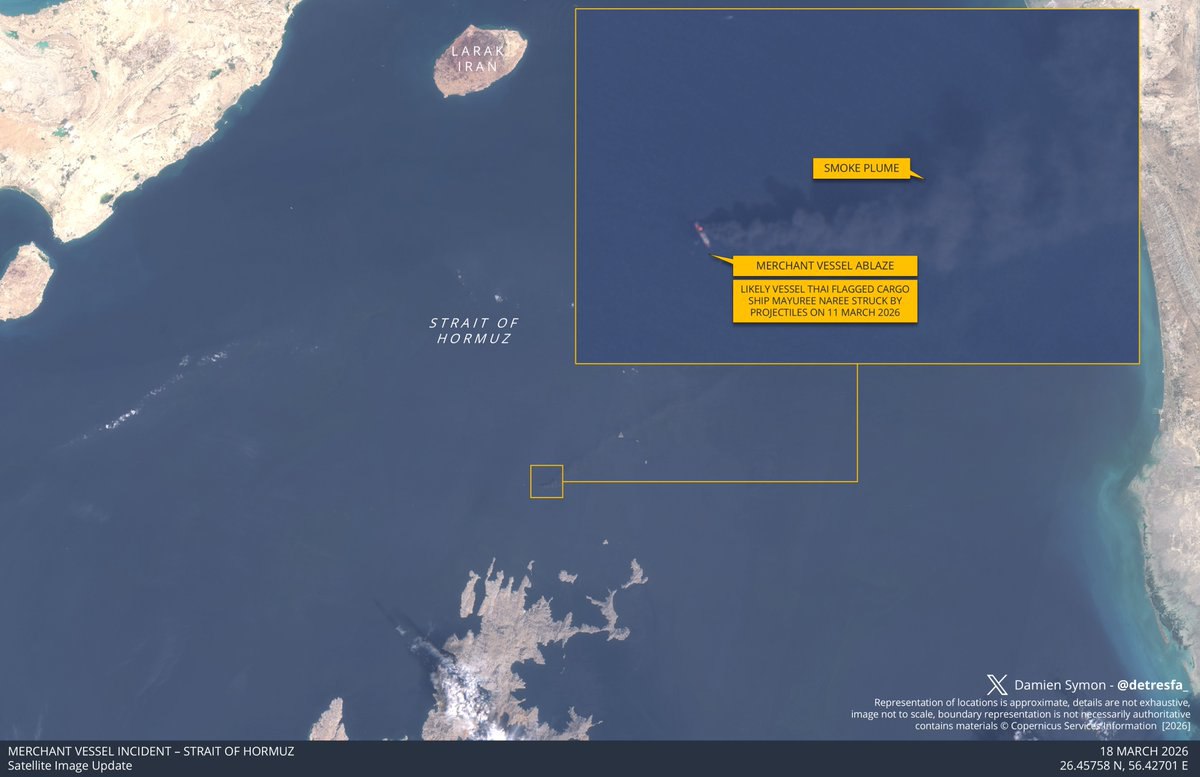
Naval confrontations intensified in the Strait of Hormuz. At 23:21 UTC, the IRGC Navy intercepted a Barbados‑flagged oil tanker carrying up to 160 000 tonnes of crude (GeoPWatch, https://t.me/GeoPWatch/29451). Earlier, Iranian speedboats were observed attacking a commercial tanker, with satellite imagery confirming the incident at 21:28 UTC (rnintel, https://t.me/rnintel/56800). These actions reflect Iran’s effort to control maritime traffic amid heightened U.S. and Arab force deployments in the strait.
Ground and Assassination Incidents
On the ground, Israeli airstrikes continued to target Iranian personnel. At 15:31 UTC, an Israeli strike in western Iran killed five Iranian soldiers (monitor_the_situation, https://t.me/monitor_the_situation/4512). In Lar, Fars Province, an alleged airstrike destroyed an ambulance outside a forensic‑medicine hospital at 16:15 UTC (monitor_the_situation, https://t.me/monitor_the_situation/4518). Separate reports indicated a possible assassination attempt in Larstan, Fars Province, at 09:20 UTC, attributed to Israeli operatives (rnintel, https://t.me/rnintel/56757).
Iran’s Islamic Revolutionary Guard Corps (IRGC) issued a statement after missile attacks on oil facilities, describing the events as the start of a “new phase” of the war and warning of further strikes on U.S. and allied energy infrastructure (rnintel, https://t.me/rnintel/56796). The IRGC also warned neighboring Gulf states to evacuate personnel from petrochemical plants, citing rising oil and gas prices (intelslava, https://t.me/intelslava/85055).
Implications and International Response
The coordinated Israeli‑U.S. strikes on South Pars and Asaluyeh constitute the most direct attack on Iran’s energy lifelines since the 2020 killing of Qasem Soleimani. Analysts note that disabling a substantial portion of Iran’s gas output could pressure Tehran’s war‑fighting capacity, but also risks broader economic fallout across the Gulf, where many countries depend on Iranian gas imports.
U.S. officials confirmed the first combat use of the GBU‑72 Advanced 5K Penetrator, a 2 270‑kg GPS‑guided bomb, against fortified positions along the Strait of Hormuz at 10:32 UTC (intelslava, https://t.me/intelslava/85046). The deployment of such deep‑penetrator munitions signals an escalation in the United States’ kinetic toolkit, potentially lowering the threshold for future strikes on hardened Iranian sites.
Regional actors responded with heightened alertness. Bahrain, Qatar, the United Arab Emirates, and Saudi Arabia intercepted additional Iranian missiles and drones launched toward Israel earlier in the day (AlJazeera, https://www.aljazeera.com/news/liveblog/2026/3/18/iran-war-live-tehran-mourns-larijani-soleimani-two-killed-in-israel). The multi‑national interception effort illustrates the expanding scope of the conflict beyond Iran‑Israel‑U.S. dynamics.
“Part of the announcement of Wave 63, Operation True Promise 4: The Islamic Republic of Iran did not intend to expand the scope of the war to oil facilities, and did not want to harm the economies of friendly and neighboring countries. However…,” – IRGC statement (rnintel)
Overall, the March 18 kinetic events demonstrate a rapid escalation from targeted energy strikes to broader missile, naval, and ground operations. The convergence of Israeli, U.S., and Iranian actions across multiple domains raises the risk of miscalculation and underscores the need for diplomatic channels to prevent further regional destabilisation.