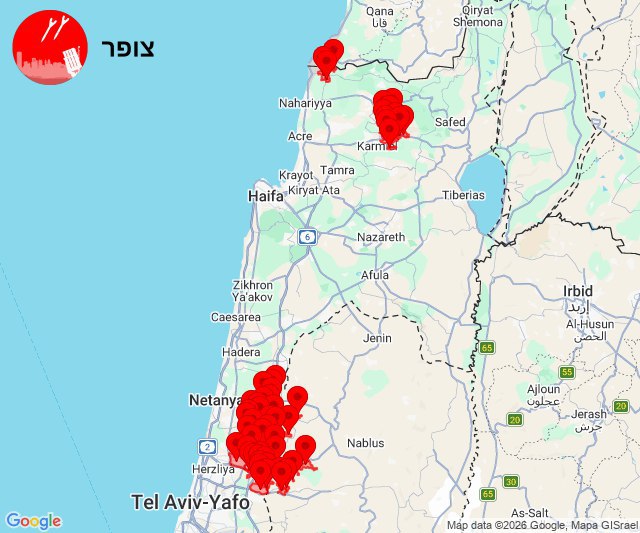
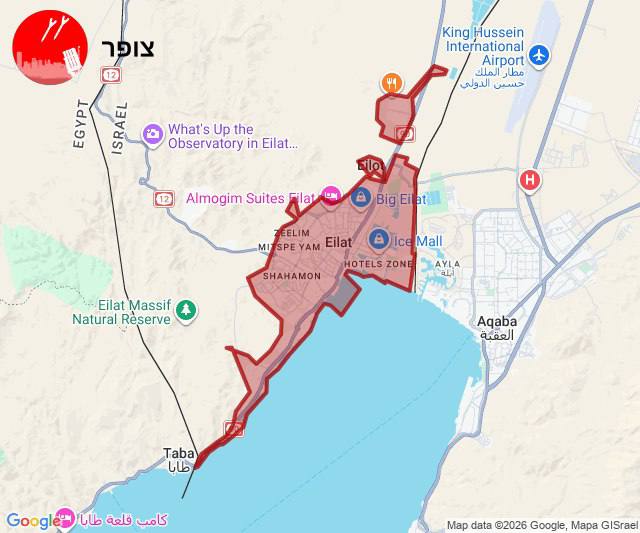
On 18 March 2026, Israel faced its most intense day of kinetic activity in recent months, marked by a critical missile interception that resulted in the death of a foreign worker in the Sharon region and a cascade of rocket, missile and cluster munition attacks across the country. The incidents, reported by a range of open‑source channels, illustrate a coordinated escalation involving Iran, Hezbollah and assorted militant elements, and underscore the strain on Israel's air‑defence network.
Critical Interception and Fatality
At 22:26 GMT, an Israeli air‑defence system intercepted an incoming Iranian missile over the Sharon region. The missile detonated in the air, but shrapnel from the explosion struck a foreign worker, killing him instantly. The victim’s nationality was not disclosed, but the incident was confirmed by JPost (source). This event is classified as CRITICAL due to the direct civilian fatality caused by an interception, a rare outcome in Israel’s missile defence history.
"One killed from shrapnel impact following Iran missile attack" – JPost, 18 Mar 2026
Chronology of High‑Intensity Attacks
Following the critical event, a rapid succession of attacks unfolded:
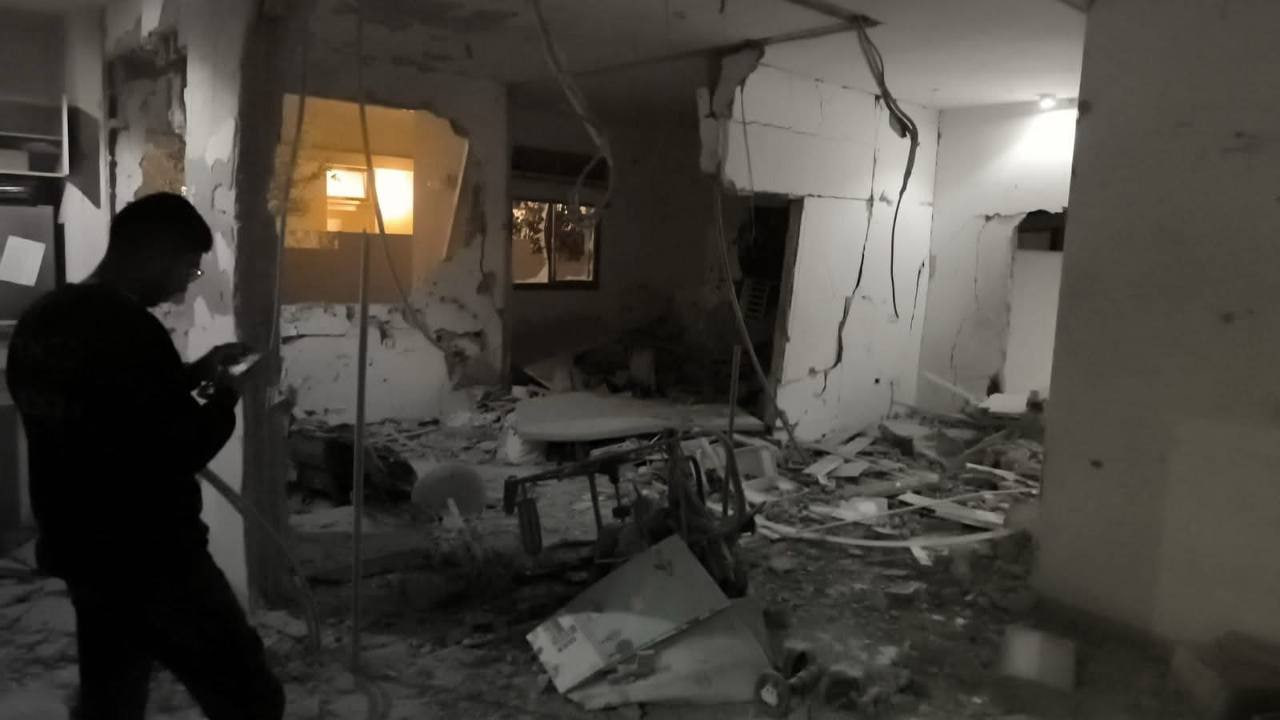
- 22:15 GMT – Ben Shim’on Ratson, Rosh HaAyin: Multiple rocket impact sites were reported in central Israel, igniting a building fire and trapping residents. Source: rnintel (link).
- 22:05 GMT – Adanim settlement: A 30‑year‑old Thai worker was killed by shrapnel from a rocket strike. Source: idkunim_il (link).
- 21:59 GMT – Northern Israel: Hezbollah launched rockets toward the north, marking the first confirmed Lebanese‑origin attack of the day. Source: rnintel (link).
- 21:51 GMT – Tel Aviv and central Israel: Iran deployed cluster munitions and missiles, with video evidence showing multiple impacts across the metropolitan area. Source: BellumActaNews (link).
- 21:43 GMT – Jaljulia and Gush Dan: Cluster munitions struck residential zones, causing material damage but no immediate casualty reports. Source: GeoPWatch (link).
- 21:41 GMT – Central Israel: Visual confirmation of Iranian cluster munitions over the region. Source: rnintel (link).
- 21:29 GMT – Central Israel: Iranian ballistic missiles were launched toward central districts, adding to the saturation of the air‑defence grid. Source: rnintel (link).
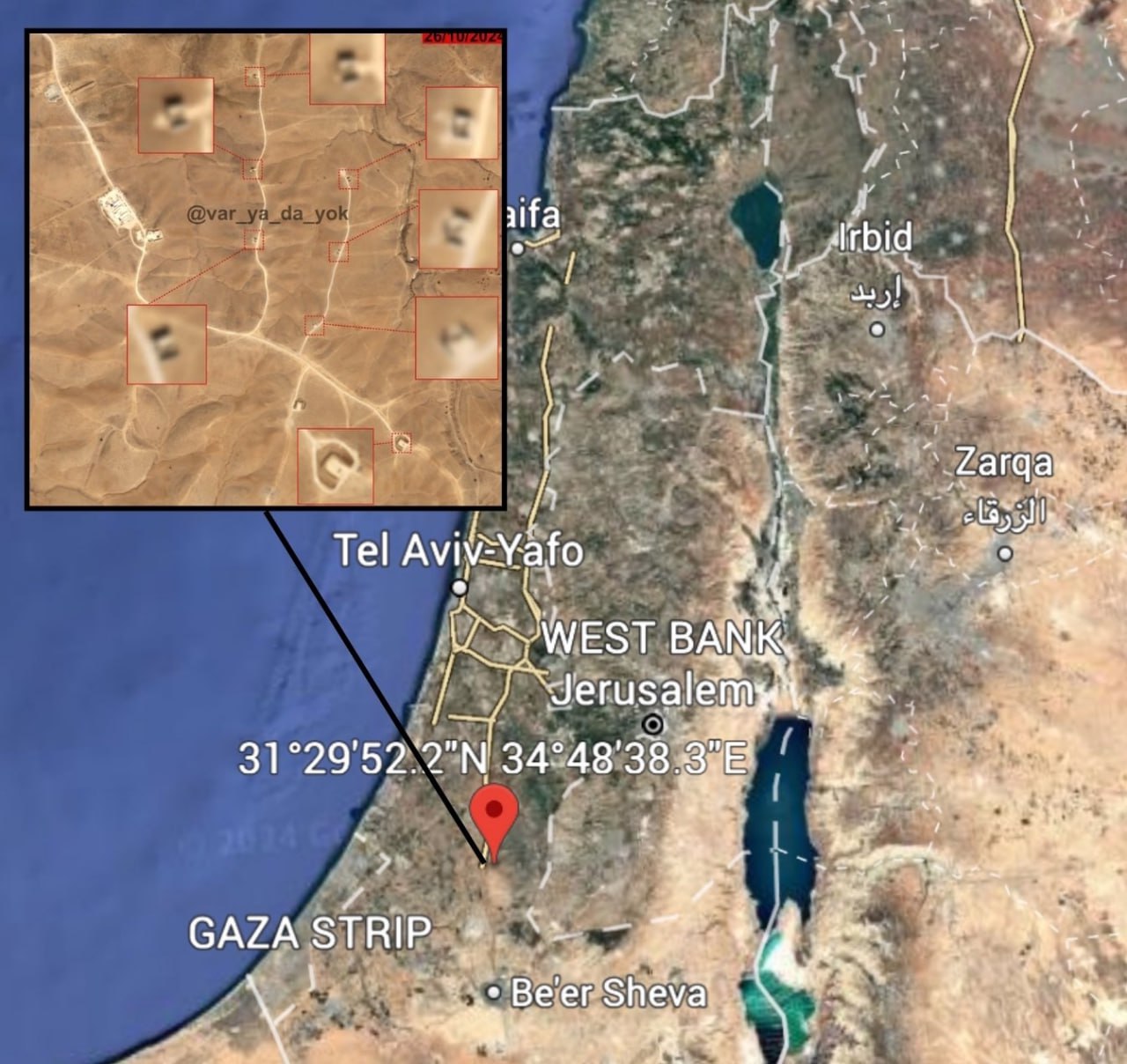
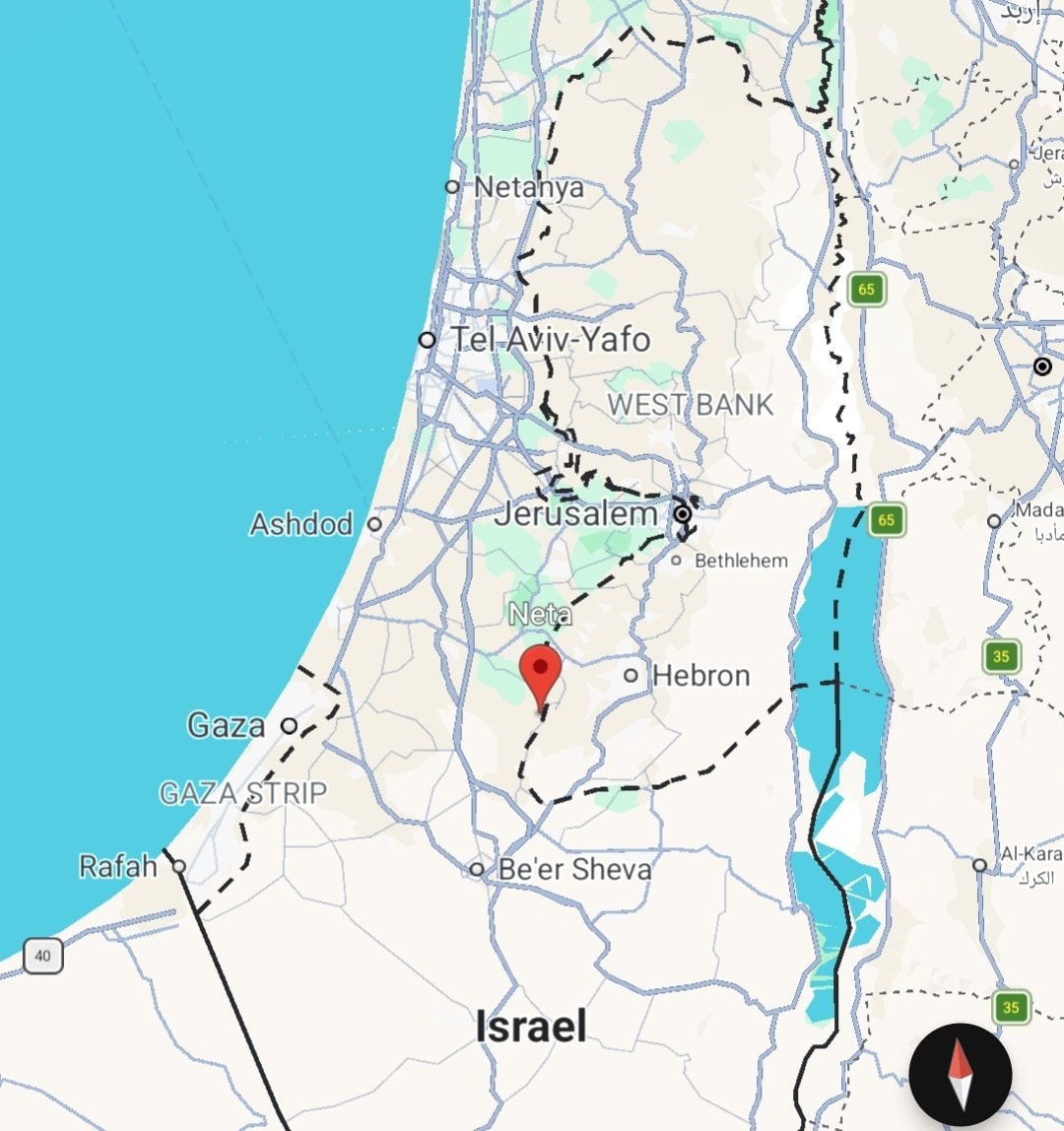
- 20:54 GMT – Neta settlement: Sub‑munitions landed near the U.S.‑operated THAAD site, prompting heightened alerts from Israeli media. Source: CIG_telegram (link).
- 20:17 GMT – Kiryat Shmona: Hezbollah missiles struck the northern settlement, rendering it temporarily uninhabitable. Source: IntelRepublic (link).
- 20:13 GMT – Southern Israel: Cluster munitions were visually confirmed over the south, extending the geographic spread of the attacks. Source: rnintel (link).
- 20:10 GMT – Central Israel: Hezbollah rockets were launched toward central districts, adding to the multi‑front pressure. Source: rnintel (link).
- 20:01 GMT – Southern Israel: Iranian missiles targeted the south, with no immediate casualty data released. Source: rnintel (link).
- 19:11 GMT – Kiryat Shmona: A direct Hezbollah rocket impact was reported, confirming the earlier missile strike. Source: GeoPWatch (link).
- 19:06 GMT – Ashkelon gas field: Hezbollah attempted to strike the strategic gas field, though impact verification remains pending. Source: GeoPWatch (link).
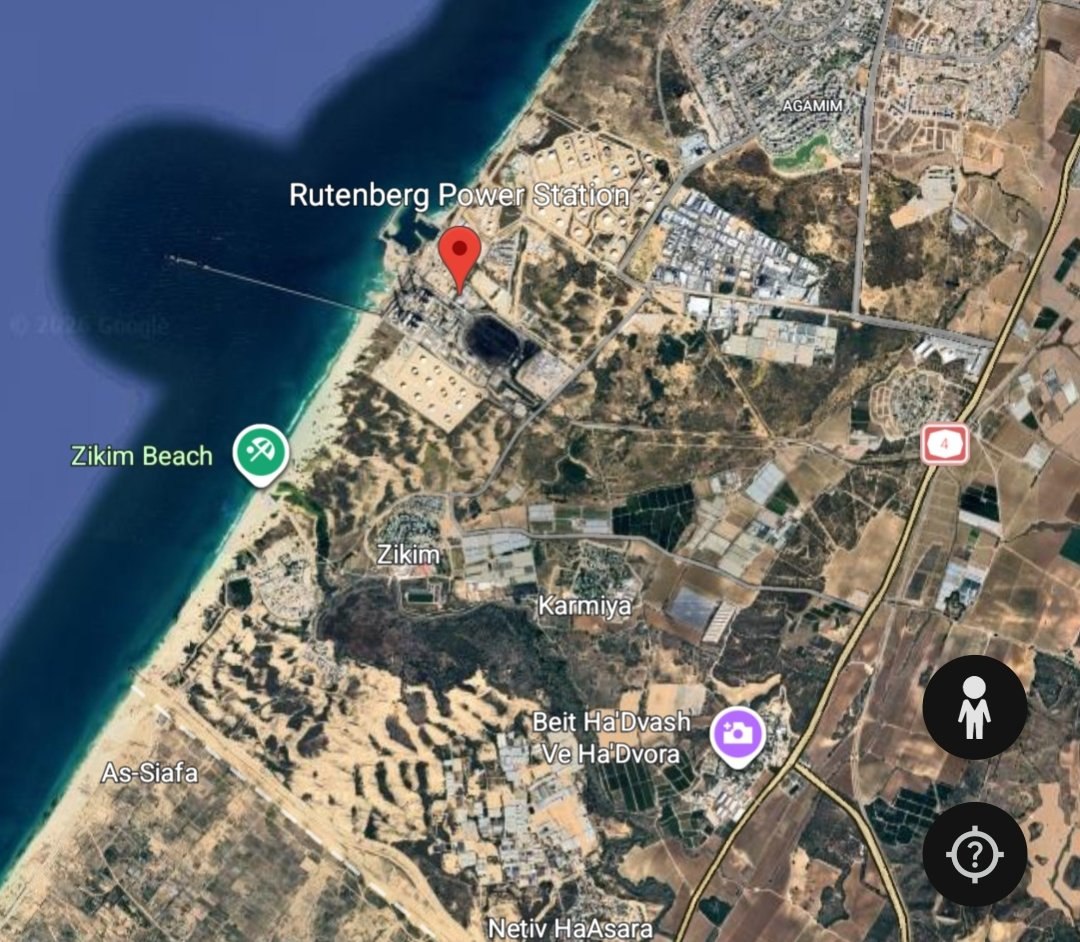
- 19:03 GMT – Ashkelon power station: A loud explosion was reported near the main power station; no casualties were confirmed. Source: monitor_the_situation (link).
- 18:33 GMT – Sharon region: A large volley of rockets was launched from Lebanon toward the Sharon area, intensifying the northern front. Source: idkunim_il (link).
- 18:33 GMT – Central Israel: Hezbollah fired a missile aimed at central districts; photographic evidence captured the launch. Source: GeoPWatch (link).
- 14:30 GMT – Eilat: The IRGC launched a ballistic missile toward the Red Sea city, detected by early‑warning radars. Source: GeoPWatch (link).
- 14:01 GMT – Ramat Gan: Shrapnel from rockets damaged a residential house, marking the first material loss in that suburb. Source: GeoPWatch (link).
- 14:00 GMT – Petah Tikva: Debris from a direct impact was reported, confirming the spread of munitions across the central corridor. Source: GeoPWatch (link).
- 12:10 GMT – Northern Israel: Additional Hezbollah rockets were launched toward the north, sustaining pressure on Israeli air‑defence assets. Source: rnintel (link).
- 09:15 GMT – Rosh HaAyin: Two small rocket launches produced impacts in an open area of central Israel. Source: rnintel (link).
- 08:13 GMT – Tel Aviv: Iranian overnight missile strikes caused widespread damage near the city, as reported by Al Jazeera. Source: AlJazeera (link).
- 07:04 GMT – Ramat Gan: Iranian missiles killed two civilians and damaged a Tel Aviv train station, according to Al Jazeera. Source: AlJazeera (link).
- 06:03 GMT – Ramat Gan: A missile strike killed two people in an apartment building; video footage was circulated on local channels. Source: idkunim_il (link).
- 05:52 GMT – Central Israel: Iranian missiles were launched toward central districts, adding to the cumulative tally of inbound threats. Source: rnintel (link).
- 02:33 GMT – Central Israel: Further Iranian missile launches were reported, confirming a sustained barrage. Source: rnintel (link).
- 02:11 GMT – Savidor Central Train Station, Tel Aviv: Iranian ballistic missiles struck the station, killing two Israelis and injuring eight; three separate impact sites were documented across the city. Source: CIG_telegram (link).
- 02:07 GMT – Tel Aviv: Cluster munitions released from Iranian ballistic missiles were captured on video, illustrating the payload composition. Source: CIG_telegram (link).
- 01:50 GMT – Be’er Sheva: Iran issued an early warning of impending missile attacks on Be’er Sheva and Dimona, heightening civilian alert levels. Source: GeoPWatch (link).
Air‑Defence Performance and Interceptions
Israel’s multi‑layered air‑defence architecture, comprising the Arrow, David’s Sling and Iron Dome systems, recorded several successful interceptions. Notably, at 21:58 GMT a video released by BellumActaNews showed an Israeli interceptor engaging an Iranian missile over central Israel (source). Earlier, at 11:22 GMT, rnintel documented a missile interception over northern Israel, though details on the specific system used were not disclosed.
Weaponry Profile
The day’s attacks featured a diverse arsenal:
- Missiles: Conventional and ballistic missiles launched by Iran, targeting central, southern and northern districts.
- Cluster munitions: Deployed by both Iran and Hezbollah, striking densely populated suburbs such as Jaljulia, Gush Dan, Ramat Gan and Petah Tikva.
- Rockets: Predominantly launched from Lebanese territory by Hezbollah, with trajectories aimed at Kiryat Shmona, Rosh HaAyin and the Sharon region.
- Sub‑munitions: Reported near the U.S. THAAD installation in the Neta settlement, indicating a possible attempt to degrade missile‑defence coverage.
Casualties and Material Damage
Confirmed civilian fatalities total three: the foreign worker in Sharon, the Thai worker in Adanim, and two Israelis killed in the Savidor Central Train Station strike. Injuries were reported in Ramat Gan (eight) and additional, unquantified injuries likely resulted from shrapnel and blast effects across the multiple impact zones. Material damage includes fires in Rosh HaAyin, structural damage to residential houses in Ramat Gan and Petah Tikva, and disruption to critical infrastructure such as the Ashkelon power station and the THAAD‑proximate Neta settlement.
Strategic Context
The coordinated nature of the attacks suggests a concerted effort by Iran and its proxy Hezbollah to overwhelm Israel’s defensive layers through saturation and payload diversification. The use of cluster munitions and sub‑munitions indicates an intent to maximize area denial and civilian impact, while missile interceptions demonstrate Israel’s continued reliance on high‑altitude interceptors to protect strategic assets.
U.S. involvement is implicit in the proximity of attacks to the THAAD system, raising concerns about potential escalation should any of the intercepted munitions breach the defensive envelope. No direct engagement between U.S. forces and the attacking parties was reported on 18 March.
Conclusion
The events of 18 March 2026 represent a significant escalation in kinetic hostilities against Israel, combining high‑intensity missile barrages, cluster munition deployments and cross‑border rocket fire. While Israel’s air‑defence network succeeded in intercepting a number of threats, the civilian death toll and widespread material damage underscore the limitations of current defensive measures against saturated, multi‑type attacks. Continued monitoring of Iranian and Hezbollah launch patterns, as well as the operational status of regional missile‑defence assets, will be essential for anticipating future kinetic spikes.