On 18 March 2026, the Iranian Revolutionary Guard Corps (IRGC) launched a missile strike targeting United States‑linked oil facilities in the Persian Gulf. The operation, designated Wave 63 of Operation True Promise 4, employed multiple cruise missiles launched from naval platforms in international waters. According to the Telegram channel monitor_the_situation, the strike was intended to avoid damage to neighboring economies while delivering a direct blow to U.S. energy interests. The attack was captured on video (source: monitor_the_situation/4545).
"Iranian IRGC launched Wave 63 of Operation True Promise 4 targeting oil facilities linked to the US across the Persian Gulf region, claiming restraint to avoid harming friendly neighbors' economies." – monitor_the_situation
High‑Casualty Bombings in Afghanistan
Two separate bombings in Kabul on the same day resulted in the highest civilian death tolls recorded in the ongoing Pakistan‑Afghanistan confrontation. The United Nations Assistance Mission in Afghanistan (UNAMA) confirmed that a bomb attack on a drug rehabilitation centre killed 143 people (source: JPost). A second, unverified claim from the Telegram channel rnintel alleged that a Pakistani strike on the Omar Addiction Treatment Hospital killed at least 408 people, a figure echoed by Taliban statements but not independently verified (source: rnintel/56744).
"The United Nations Assistance Mission in Afghanistan has put the death toll at 143 in the bombing of a Kabul drug rehab centre by Pakistan." – JPost
Escalation of Regional Missile and Drone Attacks
Iran expanded its missile campaign beyond the Gulf, launching 61 coordinated waves of ballistic missiles and drones against U.S. bases, Israeli infrastructure, and Gulf‑region targets. The attacks, reported by monitor_the_situation, involved both ballistic missiles and unmanned aerial systems, striking locations in Qatar, Saudi Arabia, the United Arab Emirates and the United States’ naval facilities in Bahrain (source: monitor_the_situation/4466).
Key incidents included:
- Ballistic missiles striking QatarEnergy’s Ras Laffan Industrial City, igniting a fire at the Pearl GTL plant (BellumActaNews).
- Missile impacts on Saudi Arabian industrial zones in Riyadh, causing large fires (rnintel/56786).
- Interception of Iranian missiles over Abu Dhabi by UAE air defenses (monitor_the_situation/4467).
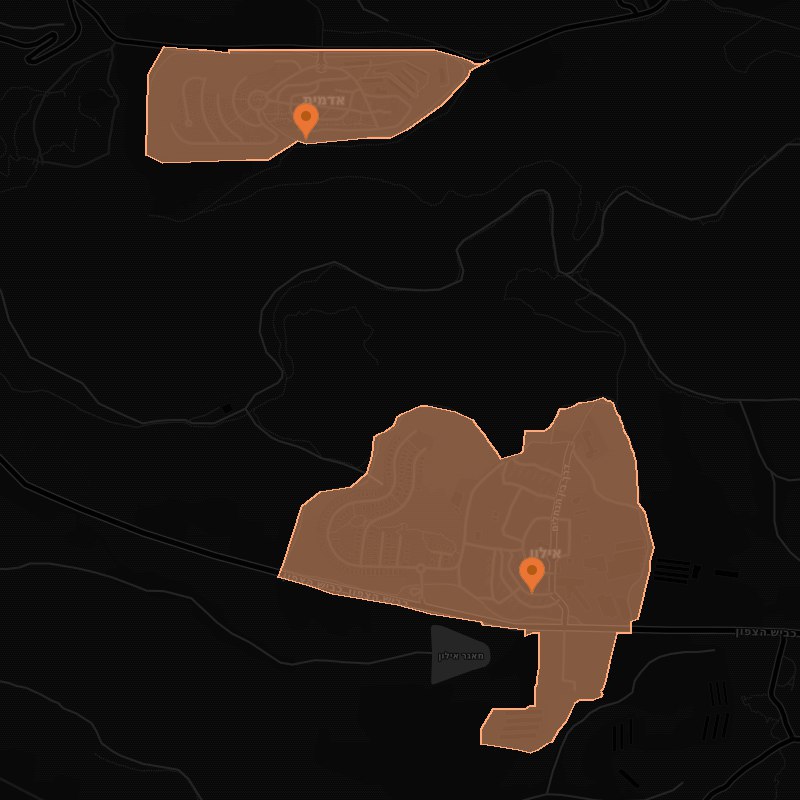
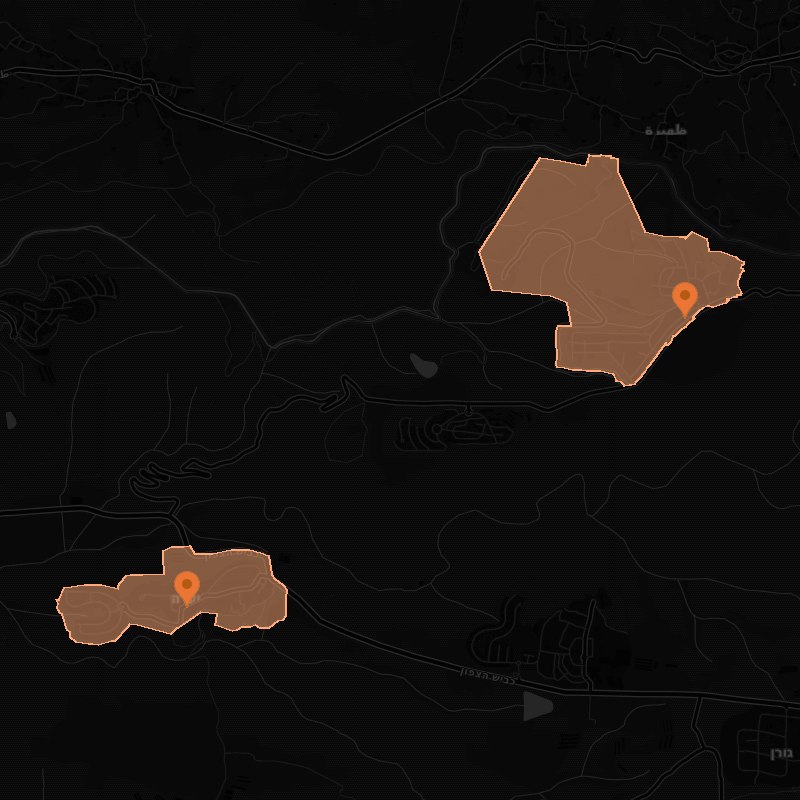
- Multiple rocket alerts across Israel, reported by RocketAlert, indicating a high density of short‑range fire in the northern and central sectors.
Humanitarian Impact and Civilian Casualties
Beyond the large‑scale attacks, numerous humanitarian incidents were documented. In Minab, Iran, a strike on a school reportedly killed children, prompting calls for accountability from Al Jazeera (AlJazeera). In Ramat Gan, Israel, the names of victims from an Iranian rocket strike were released by the local news outlet idkunim_il (idkunim_il/56942).
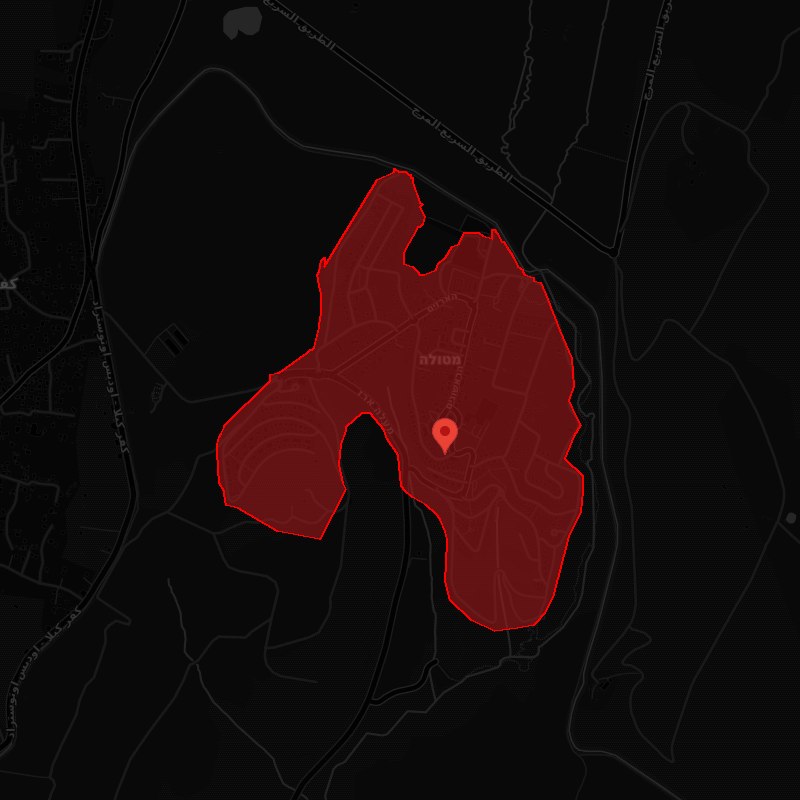
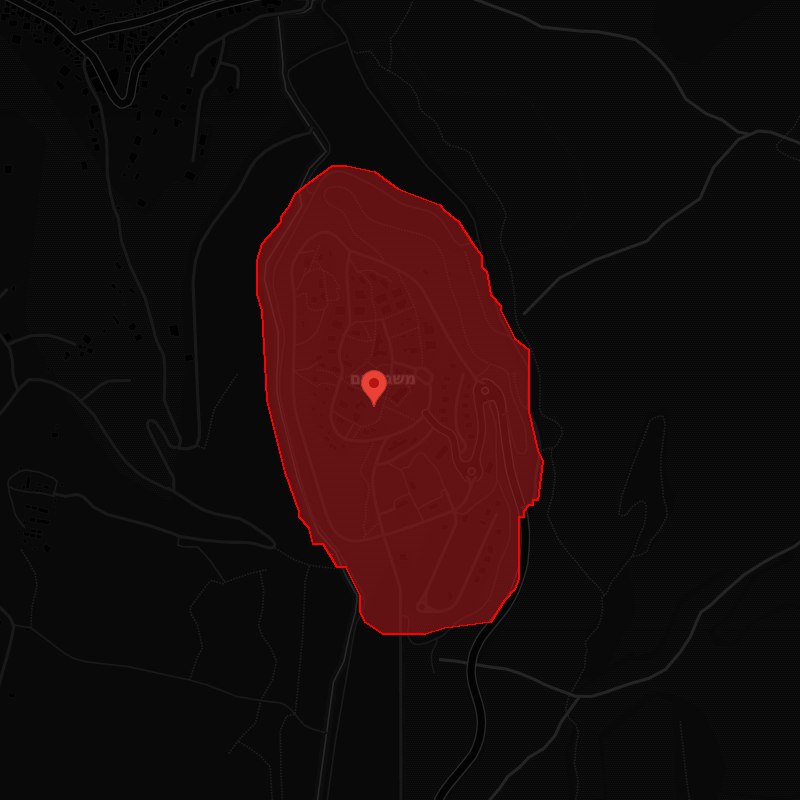
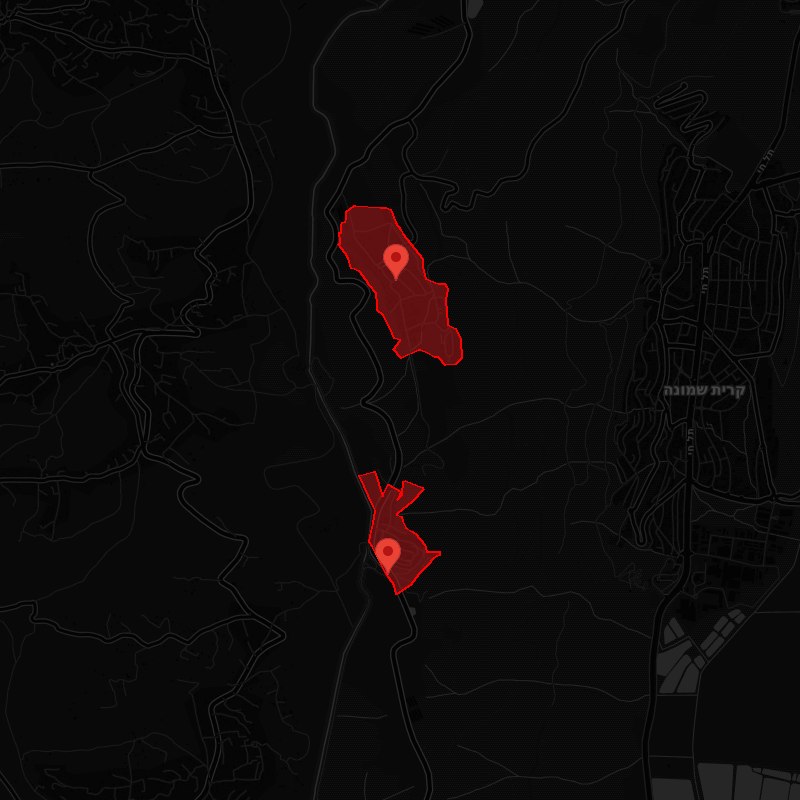
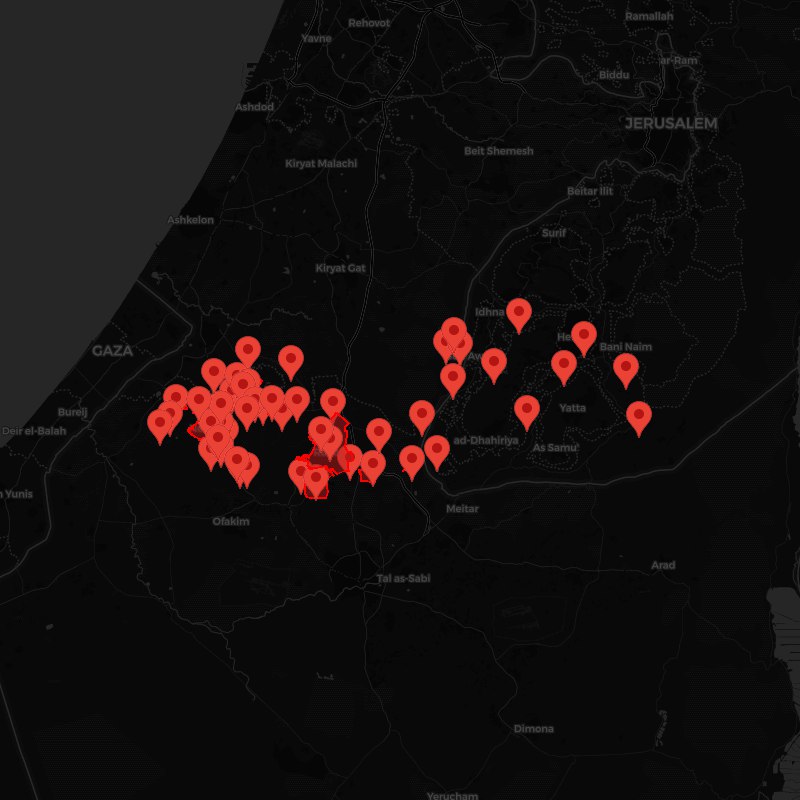
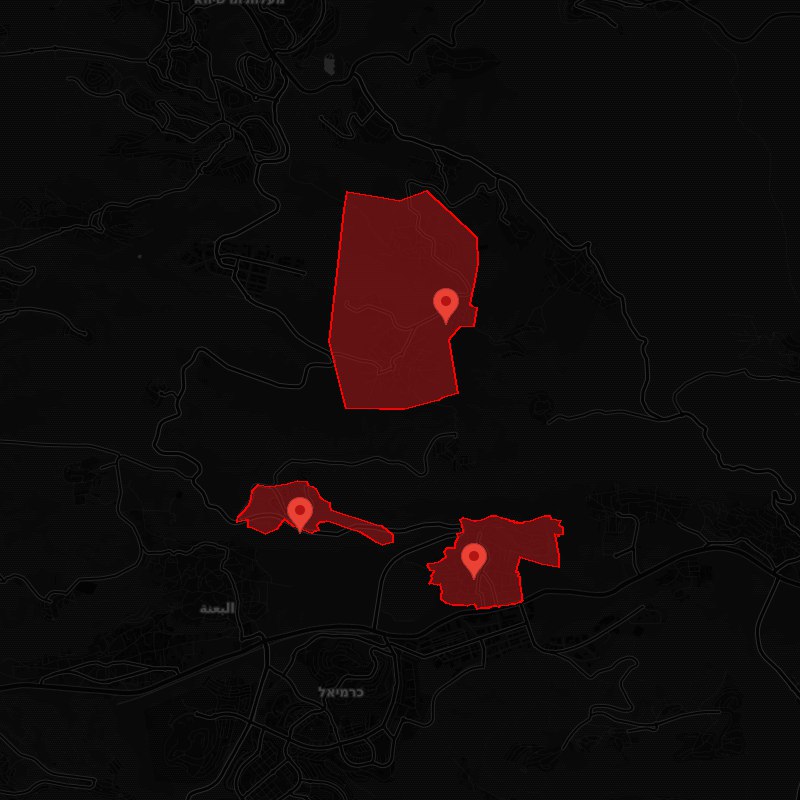
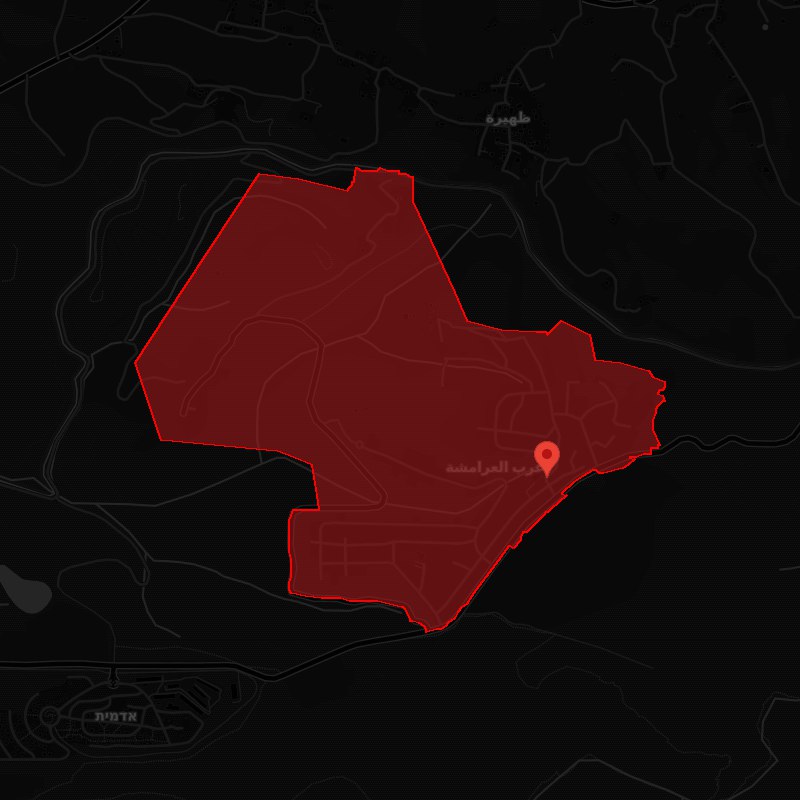
In the West Bank, an Iranian missile carrying cluster munitions struck the village of Beit Awwa near Hebron, killing multiple civilians and injuring others (monitor_the_situation/4536). Similar attacks were reported in Gaza‑envelope areas, with rockets launched from Lebanon prompting air‑raid alarms in northern Israel (idkunim_il/56969).
Broader Strategic Context
The cascade of kinetic events reflects a rapid escalation in the US‑Iran conflict that began in early March 2026. The United States responded with extensive air operations, claiming to have struck over 7,800 targets in Iran and more than 120 vessels, as reported by the Telegram channel idkunim_il (idkunim_il/56954). Simultaneously, Israel intensified its campaign against Hezbollah in southern Lebanon, conducting airstrikes on Litani River bridges and residential structures in Beirut (AlJazeera).
Assassination claims added a further layer of complexity. Multiple sources, including OSINTdefender and Al Jazeera, reported that Israel had killed Iran’s intelligence minister Esmail Khatib in a targeted strike (OSINTdefender; AlJazeera). Iran’s leadership confirmed the death of its intelligence minister, further confirming the high‑level nature of the conflict (intelslava).
Drone activity also surged. Pro‑Iranian militias in Iraq struck the U.S. Embassy in Baghdad with a UAV, marking the second such attack on the compound (JPost). In the United Arab Emirates, multiple drone interceptions were reported over Dubai and Abu Dhabi, with the UAE Ministry of Defence confirming engagements against Iranian‑launched threats (monitor_the_situation/4535).
Implications for Regional Stability
The concentration of kinetic events on 18 March underscores a shift from proxy engagements to direct state‑to‑state confrontations. Iran’s use of ballistic missiles and cluster munitions against civilian infrastructure, combined with its alleged cooperation with Russia in targeting U.S. radar systems in the Gulf, signals an intent to degrade early‑warning capabilities and pressure U.S. forces (CIG_telegram).
U.S. and allied responses, including the deployment of advanced bunker‑buster munitions (GBU‑72) against Iranian targets, indicate a willingness to expand the kinetic envelope (BellumActaNews). However, the high civilian toll in Afghanistan and the West Bank raises the risk of broader humanitarian crises, potentially fueling further radicalization and complicating diplomatic de‑escalation efforts.
Monitoring agencies should track the following trends: the frequency of missile interceptions by Gulf states, the evolution of Iranian cluster‑munition use, and the impact of high‑casualty attacks on civilian morale and regional alliances.