On 17 March 2026 Israel faced a coordinated kinetic assault involving Iranian missiles, Hezbollah rockets, and IRGC ballistic strikes across its central and northern regions. The most consequential incident occurred at 23:33 UTC when Israeli air‑defences intercepted an incoming missile over Tel Aviv, triggering a large explosion that illuminated the city skyline.
"Video shows Israeli Air Defenses intercepting a missile at the last moment, triggering a large explosion over Tel Aviv." – BellumActaNews
The interception, reported by BellumActaNews, underscores the heightened threat level posed by Iranian long‑range munitions targeting densely populated urban centres. While the missile was neutralised, the resultant blast caused structural damage and prompted immediate emergency response measures.
Ballistic Missile Strike in Ramat Gan Claims Two Lives
At 22:58 UTC, a ballistic missile launched by Iran’s Islamic Revolutionary Guard Corps (IRGC) struck the city of Ramat Gan, killing two civilians. GeoPWatch confirmed the casualties and identified the weapon as a ballistic missile, marking one of the deadliest single‑event outcomes of the day’s hostilities.
Cluster Munition Impacts Across Tel Aviv
Shortly before the interception, multiple cluster munition impacts were reported throughout Tel Aviv. GeoPWatch documented several unexploded sub‑munitions, raising concerns about secondary hazards and civilian safety in the aftermath of the attacks.
Iranian Missile Hits to Key Transportation Hubs
Two separate missile strikes targeted Israel’s railway infrastructure. At 23:31 UTC, an Iranian missile struck the Savidor Merkaz main train station in Tel Aviv, shrapnel damaging platforms and causing service disruptions. Earlier, at 10:57 UTC, a missile hit a train station in the settlement of Holon, as reported by IntelRepublic. Both incidents illustrate a strategic focus on disrupting civilian mobility and economic activity.
Hezbollah Rocket Barrages Along the Lebanese Border
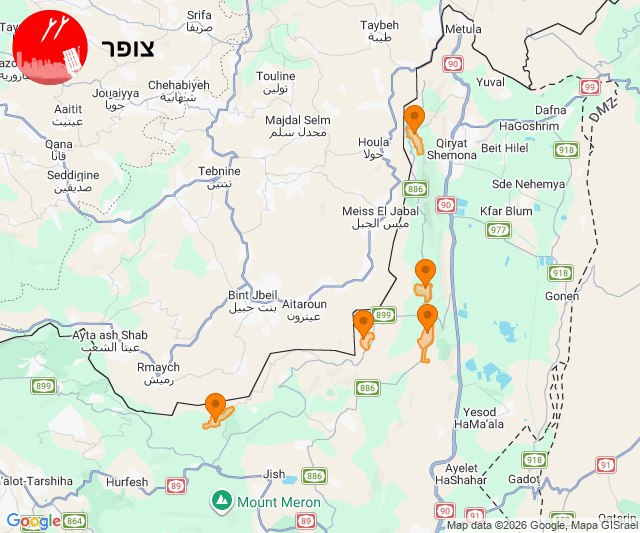
Hezbollah announced a large‑scale rocket barrage against eleven Israeli border towns as part of its “Kheybar 1” operation, commencing at 20:27 UTC. The group claimed to have launched rockets toward Kiryat Shmona and other northern locales. While no casualties were reported, the attacks triggered widespread red alerts and air‑raid sirens. GeoPWatch and OSINTdefender corroborated the volume of rockets, noting that 25 rockets were fired toward Kiryat Shmona without causing injuries.
IRGC Missile Launches and Israeli Interceptions
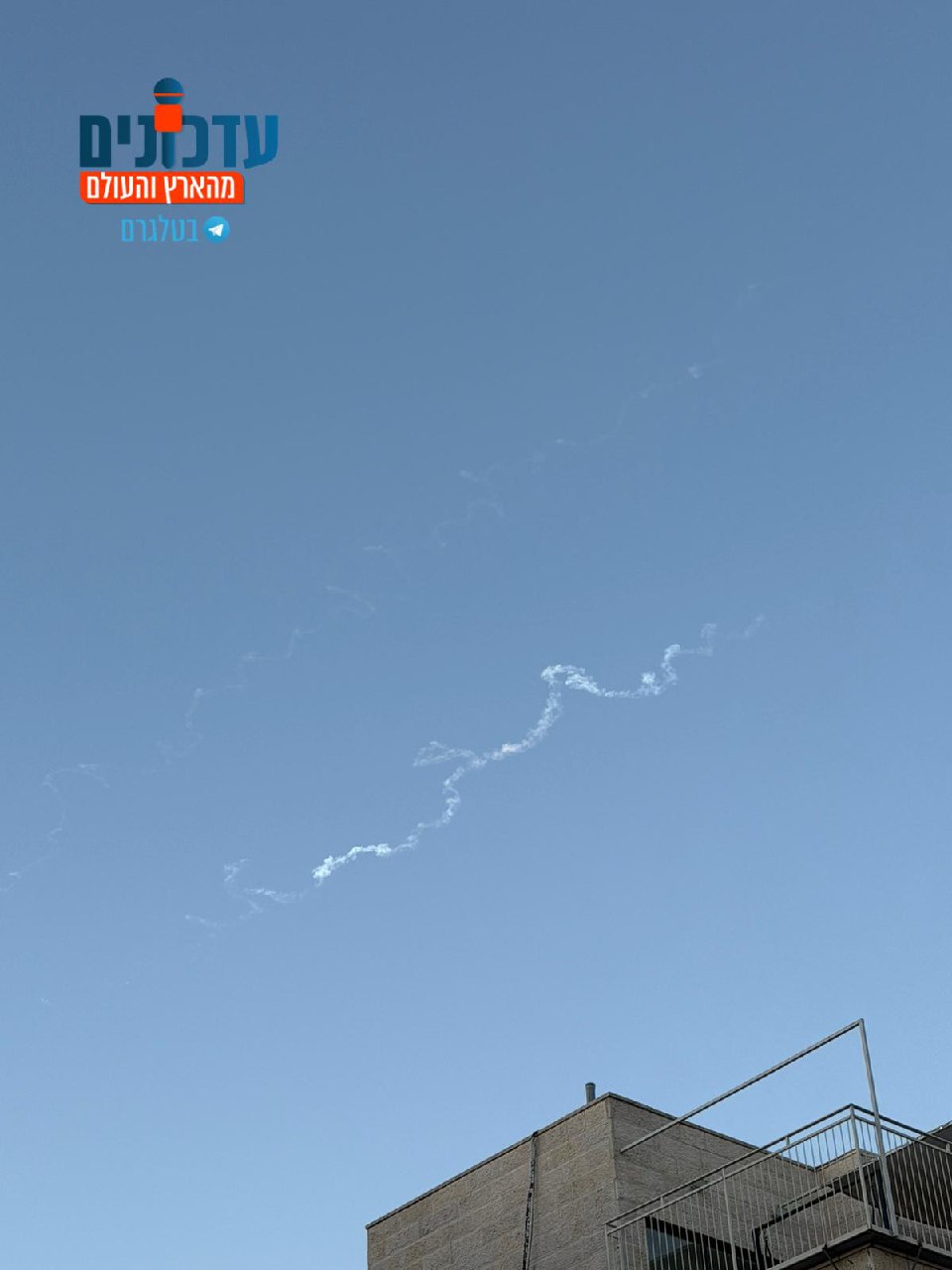
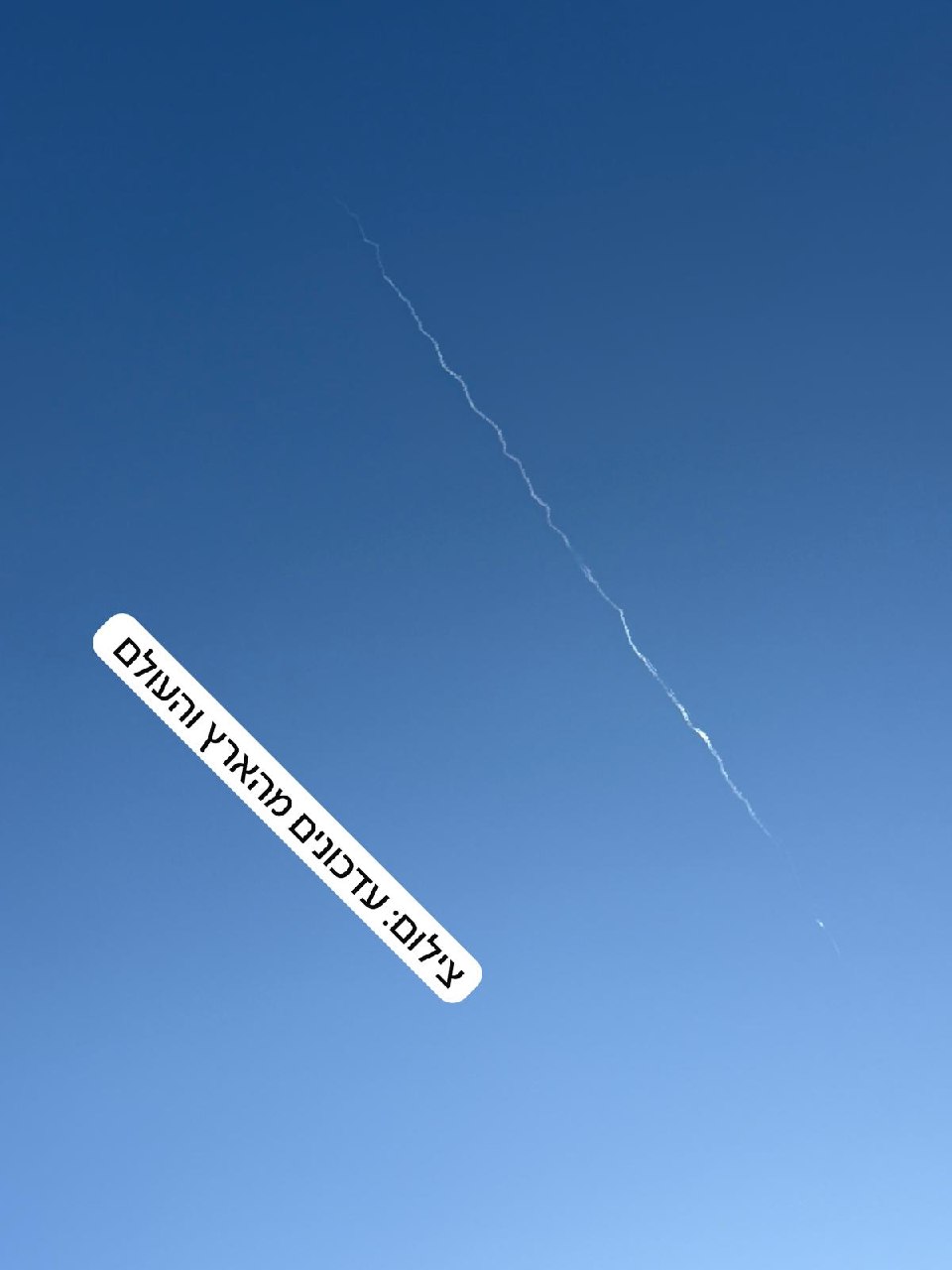
Multiple IRGC missile launches toward central Israel were detected throughout the day. At 13:24 UTC, BellumActaNews reported missile launches from Iran toward central Israel, and at 11:49 UTC, idkunim_il identified additional Iranian rocket launches heading for the same region. Israeli air‑defence systems intercepted several of these threats, including a cluster‑munition‑type missile over central Israel at 10:41 UTC, as documented by rnintel.
Civil Defence Alerts and Ground Operations
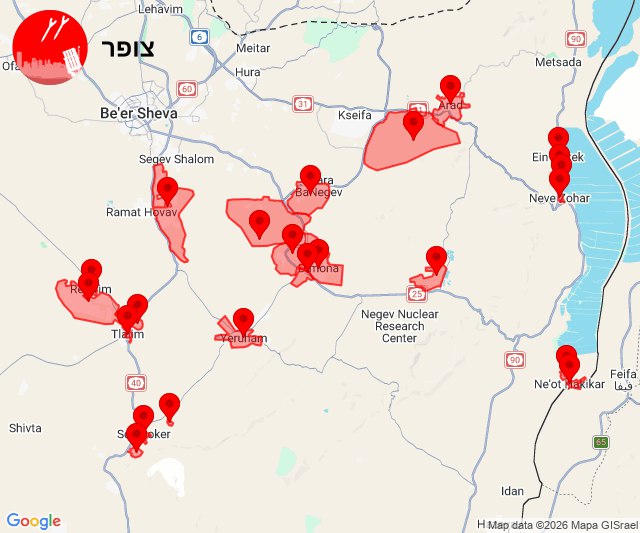
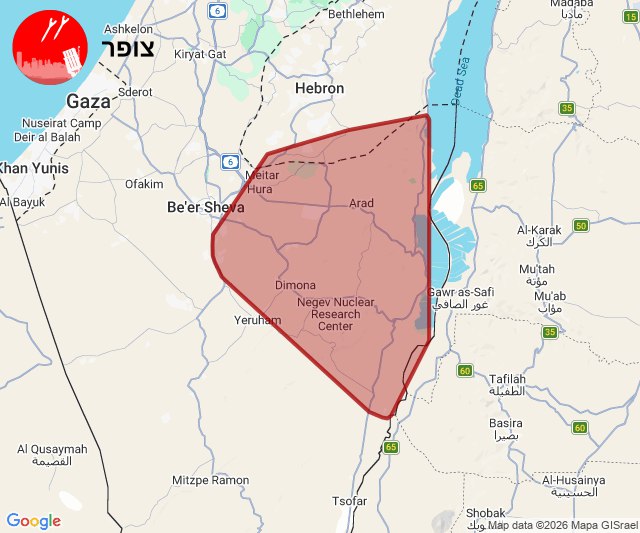
Red alerts were issued for Tel Aviv (10:38 UTC) and the Negev region (19:44 UTC), prompting civilian sheltering and activation of emergency services. The Israel Defense Forces (IDF) initiated limited ground operations against Hezbollah positions in northern Israel at 07:16 UTC, aiming to neutralise cross‑border launch sites and protect local residents.
Operational Implications
The breadth of kinetic events on 17 March demonstrates a multi‑vector escalation involving state‑backed Iranian missile capabilities, non‑state actor rocket fire from Hezbollah, and coordinated air‑defence responses by Israel. The successful interception of high‑altitude missiles over Tel Aviv and Jerusalem indicates robust defensive readiness, yet the persistence of cluster munition impacts and ballistic missile casualties highlights vulnerabilities in urban protection. Continued monitoring of IRGC launch patterns and Hezbollah border activities will be essential for anticipating future kinetic spikes.