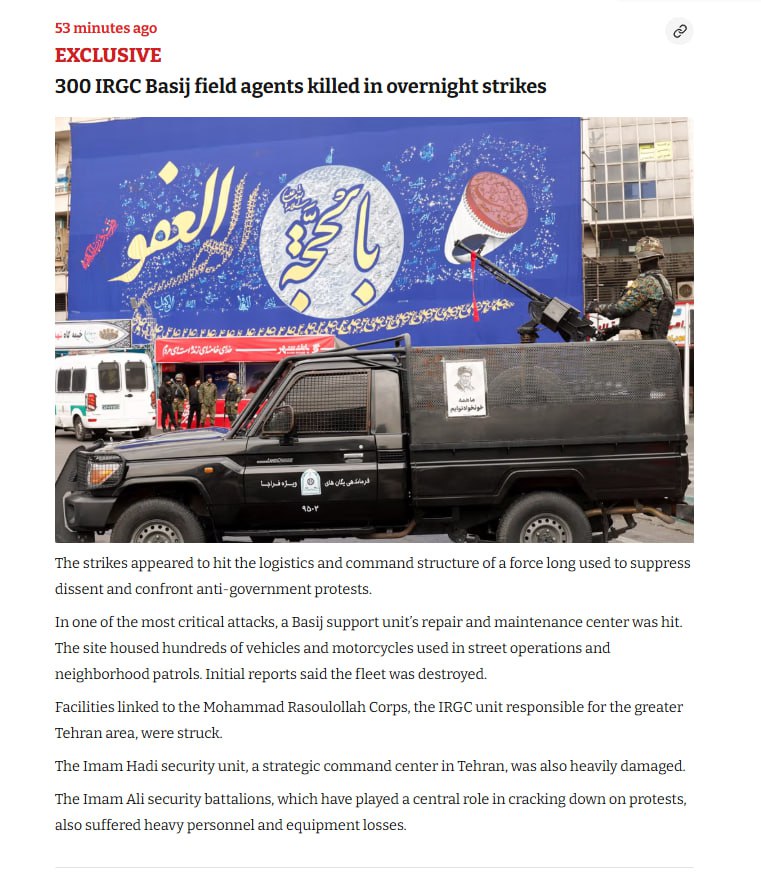
On 17 March 2026 Iran was subjected to an unprecedented series of kinetic operations that spanned its nuclear, military and urban security infrastructure. The most consequential incident occurred at the Bushehr Nuclear Power Plant, where a projectile struck the facility without causing casualties or observable damage, according to the Atomic Energy Organization of Iran. The impact was reported by the Telegram channel monitor_the_situation and coincided with a broader pattern of US‑Israeli airstrikes against Iranian strategic assets.
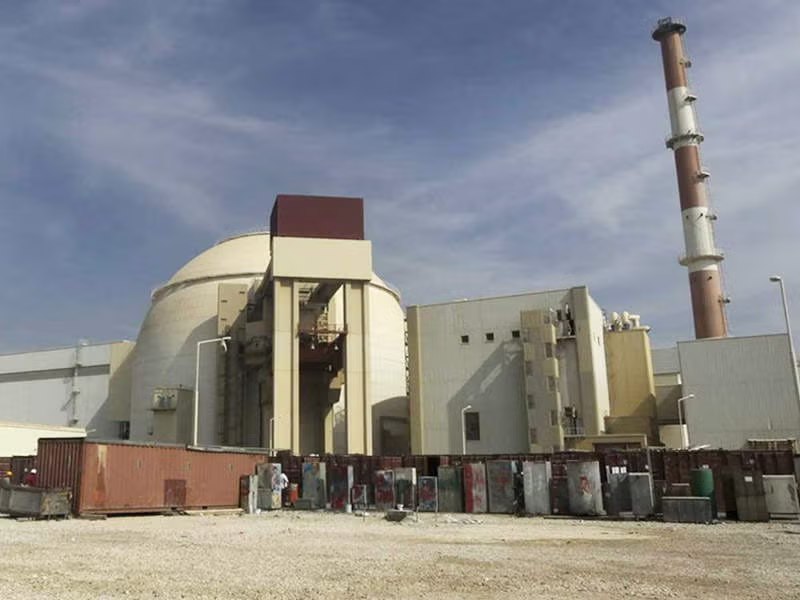
Bushehr Nuclear Plant Impact
A projectile hit the perimeter of the Bushehr Nuclear Power Plant at 18:48 UTC. The Atomic Energy Organization of Iran confirmed the strike but noted that no personnel were injured and the reactor remained operational. The event was catalogued as a CRITICAL rocket attack, with the source attributing the strike to the ongoing US‑Israeli campaign against Iranian targets.
"A projectile struck the territory of Iran's Bushehr nuclear power plant, with Iranian authorities reporting no casualties or damage. The Atomic Energy Organization of Iran confirmed the impact amid ongoing US‑Israeli airstrikes on Iranian targets." – monitor_the_situation, https://t.me/monitor_the_situation/4437
Targeted Assassinations in Tehran
Earlier in the day, Israeli forces reportedly eliminated Ali Larijana, Secretary of Iran’s Supreme National Security Council, in an airstrike over Tehran. The claim, relayed by the same Telegram channel, described Larijana as a leading transitional‑leadership candidate for Tehran. Simultaneously, Israeli and U.S. bombings were said to have killed Basij commander Gholamreza Soleimani, a senior figure in Iran’s paramilitary repression apparatus. Both incidents were classified as CRITICAL assassinations and were echoed by Israeli Defense Minister Israel Katz in a televised statement, underscoring the strategic intent to decapitate Iran’s security hierarchy.
Massive Airstrike on Basij Command Structure
At approximately 12:07 UTC, an overnight air campaign struck Basij command and logistics facilities in Tehran, resulting in an estimated 300 Basij field agents killed, according to Iran International. The operation, reported by BellumActaNews, targeted repair and maintenance units that support the Basij’s role in crowd control and internal security. The scale of the casualties marks this as one of the deadliest single‑day attacks on Iran’s paramilitary forces since the 2022 protests.
US Strategic Bombardment of Missile Sites
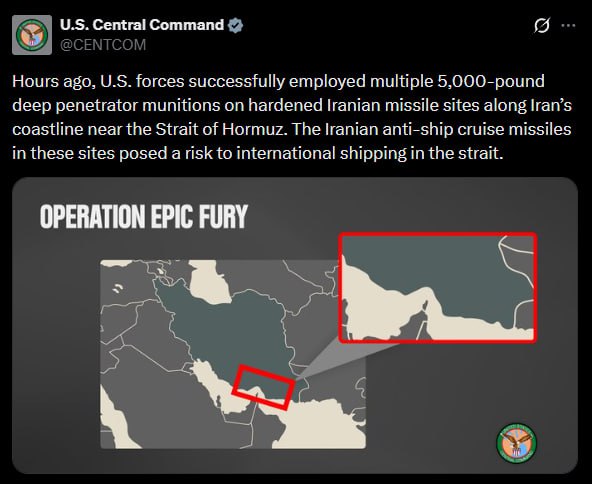
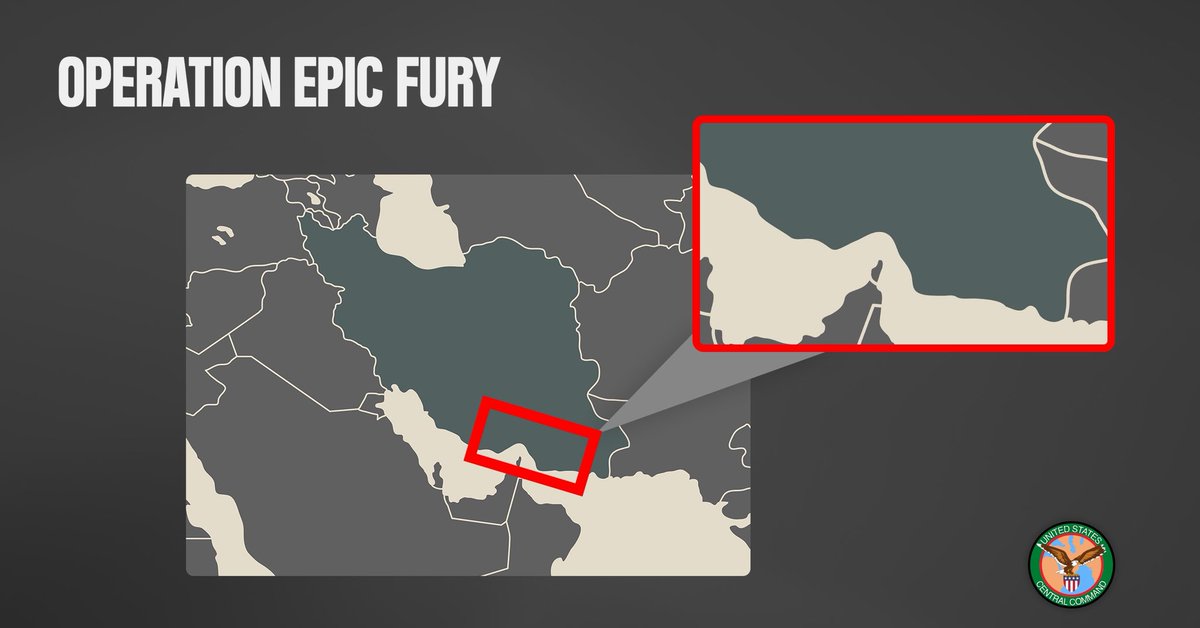
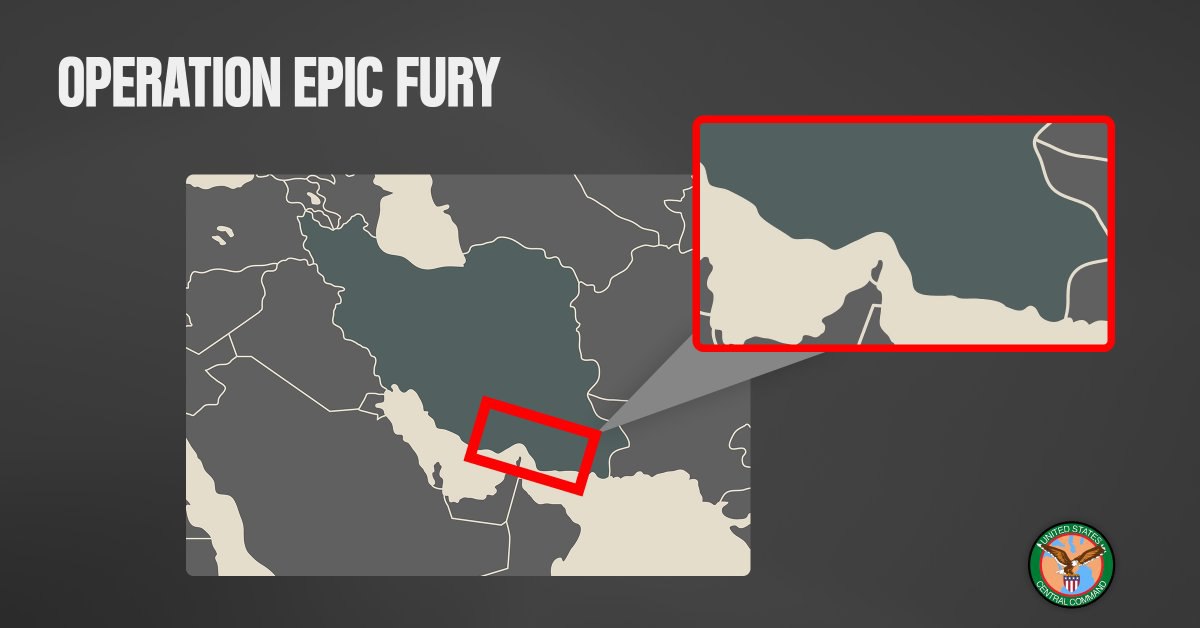
U.S. Central Command (CENTCOM) conducted a series of high‑precision strikes across Iran’s western and southern corridors. At 23:40 UTC, B‑1B Lancer bombers deployed 5,000‑lb GBU‑28/GBU‑72 bunker‑buster munitions against hardened surface‑to‑surface missile (SSM) sites along the Strait of Hormuz. A separate sortie at 23:01 UTC saw B‑2A Spirit stealth bombers release GBU‑57A/B Massive Ordnance Penetrators on anti‑ship cruise missile installations in Markazi Province. Both operations were described as HIGH airstrikes, aimed at degrading Iran’s capacity to threaten maritime traffic in the Persian Gulf.
UAV and Missile Engagements in the Capital
Israeli Hermes 900 UAVs equipped with Micholit air‑to‑ground missiles engaged multiple Basij checkpoints and NOPO anti‑terrorist police units in Tehran during the afternoon. Video evidence shared by intelslava shows strikes on Pirouzi Street and the Rasalat district, confirming the use of precision UAV‑borne munitions against paramilitary formations. Concurrently, Iranian authorities recorded a shell impact at the Bushehr Nuclear Plant, highlighting the multiplicity of kinetic threats confronting Iran on a single day.
Collectively, the events of 17 March illustrate a coordinated kinetic campaign that blends state‑level strategic bombing with targeted assassinations and UAV strikes. The breadth of weapon systems—ranging from conventional rockets and shells to stealth bombers and precision UAVs—demonstrates a high degree of operational integration among U.S. and Israeli forces. While Iranian official statements have downplayed damage to critical infrastructure, the casualty figures and the targeting of senior security personnel indicate a substantive degradation of Iran’s internal security and missile capabilities.