Amnesty International confirmed that a US‑launched Tomahawk missile struck a school in Minab, Hormozgan Province at 17:01 UTC, killing approximately 170 people, predominantly children. The attack, reported by Al Jazeera, marks the deadliest single kinetic event in the ongoing Iran‑US confrontation and has intensified international scrutiny of the conflict.
"Rights group says Tomahawk missile likely used in Minab school strike that killed at least 170 people, mostly children," Al Jazeera, 16 Mar 2026.
US Missile Campaign Extends Across Central Iran
Earlier that afternoon, the United States deployed ATACMS missiles from Gulf‑based HIMARS launchers, targeting undisclosed sites in central Iran. Monitor_the_situation reported the launch at 16:52 UTC, noting that the missiles were fired from a base likely in Bahrain or Qatar. The same channel later released a White House battle‑damage assessment of a separate airstrike on the Yazd military depot at 23:17 UTC, confirming damage to storage facilities but providing no casualty figures.
Israeli Air Operations Target IRGC Infrastructure
Israel intensified its aerial campaign with multiple strikes on Tehran. At 20:41 UTC, the Jerusalem Post documented an Israeli Air Force attack that "dismantled" the Islamic Revolutionary Guard Corps (IRGC) Navy headquarters in eastern Tehran. A parallel report from monitor_the_situation at 20:04 UTC described the strike as a precision operation guided by naval intelligence, aimed at senior commanders overseeing maritime operations.
Additional Israeli actions included the destruction of a Tehran space‑research centre alleged to be developing military satellites (OSINTdefender, 15:57 UTC) and the claimed elimination of a plane used by Iran’s Supreme Leader at Mehrabad International Airport (rnintel, 08:20 UTC). Both incidents were presented as pre‑emptive measures to protect Israeli space assets and leadership mobility.
Joint US‑Israeli Strikes Across Multiple Cities
From early morning to late evening, coordinated US‑Israeli air operations struck a series of urban and strategic targets. Notable incidents include:
- Bombing of the Chahardah Masoum Mosque in eastern Tehran, identified as an IRGC/Basij base (BellumActaNews, 15:57 UTC).
- Destruction of the Department of Cultural and Social Affairs building in central Tehran (BellumActaNews, 12:22 UTC).
- Airstrikes on a harbor control tower and fishing vessel on Kish Island, Hormozgan Province (monitor_the_situation, 02:35 UTC).
- Multiple strikes on Tehran, Shiraz, and Tabriz reported by rnintel at 09:37 UTC, accompanied by jet overflights and explosions.
These operations collectively resulted in extensive structural damage, though casualty numbers remain unverified for most sites.
Naval Blockade Enforcement in the Strait of Hormuz
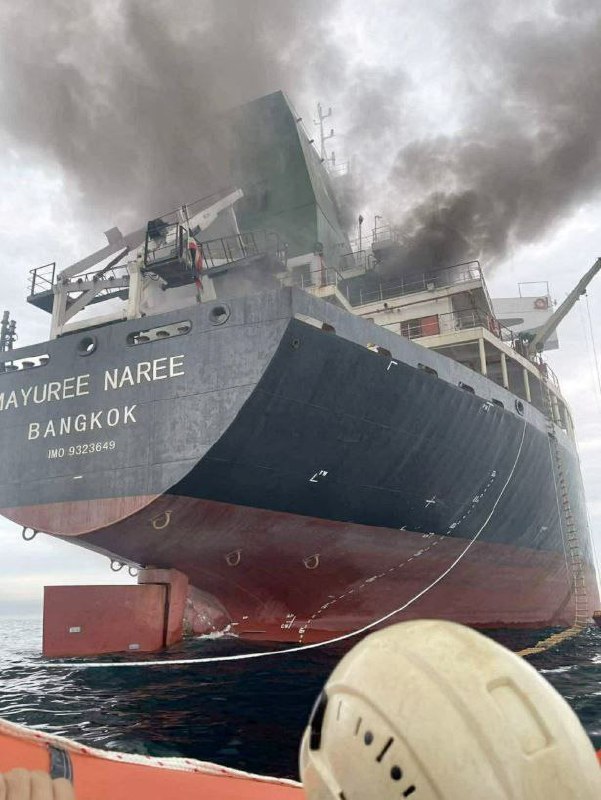
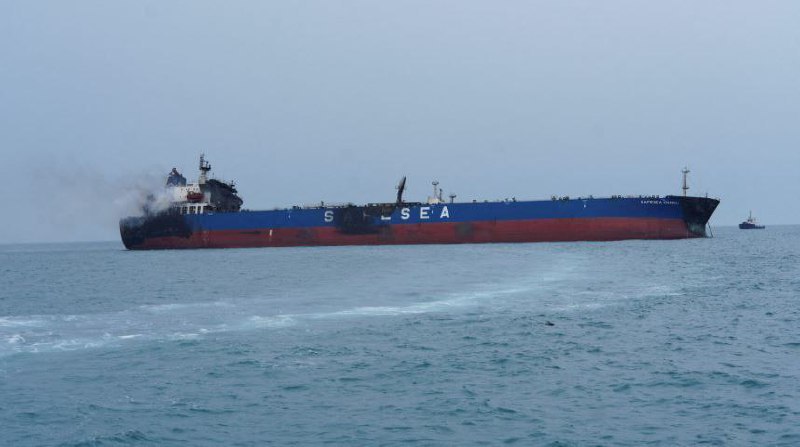
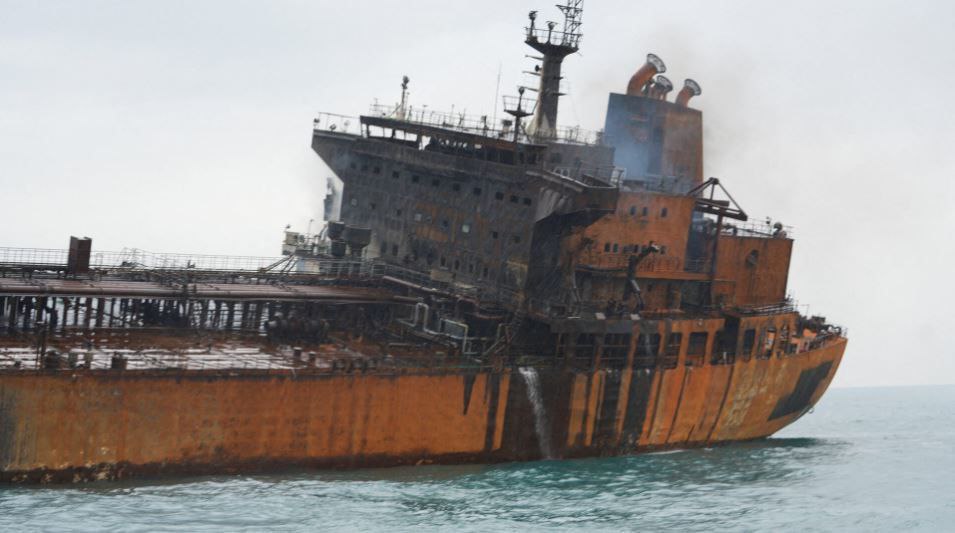
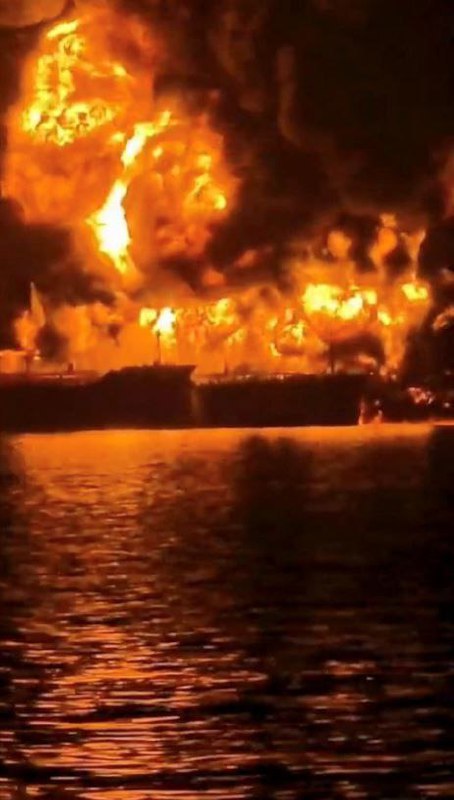
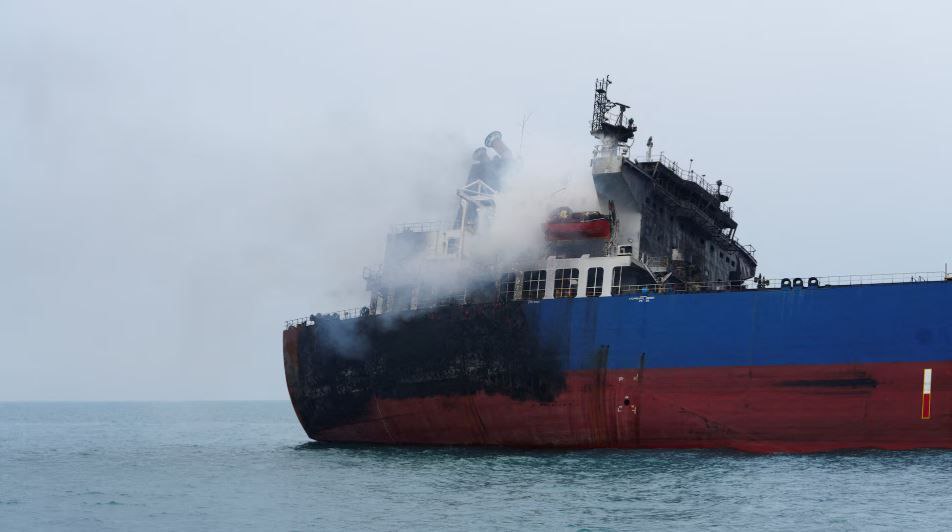
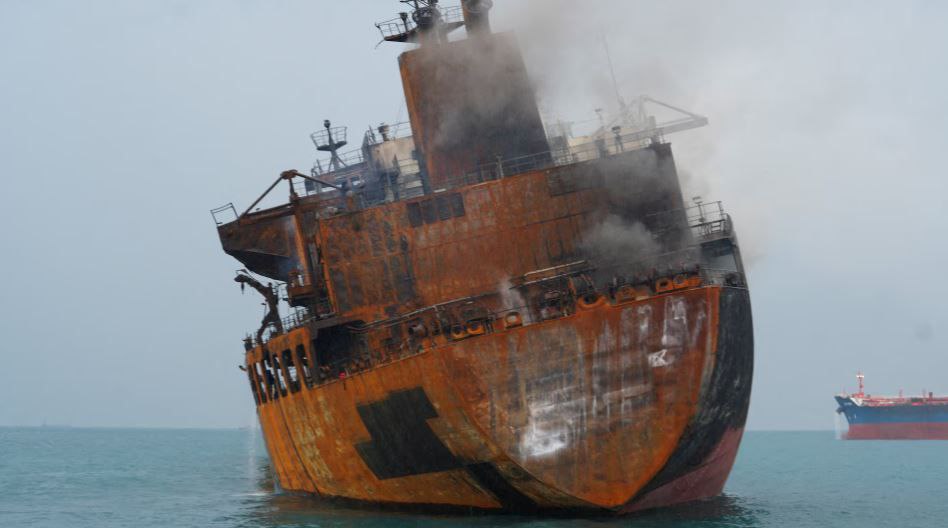
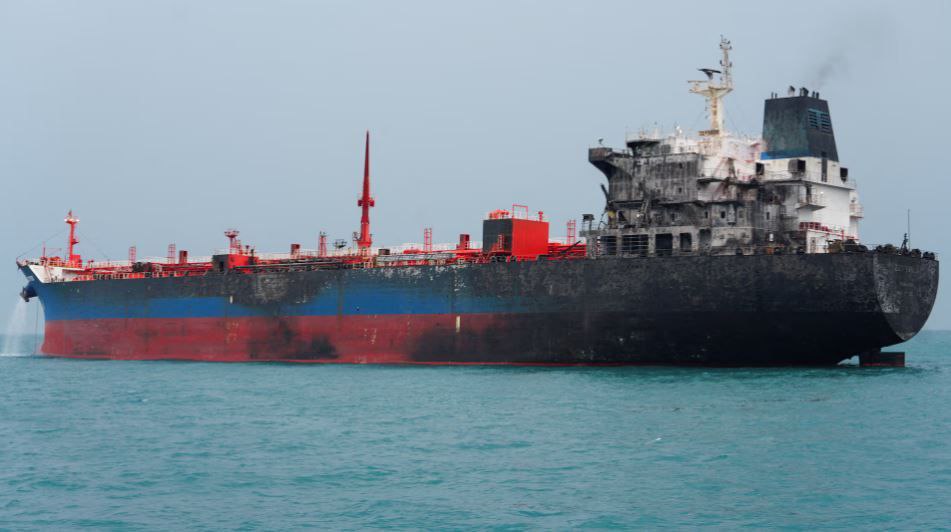
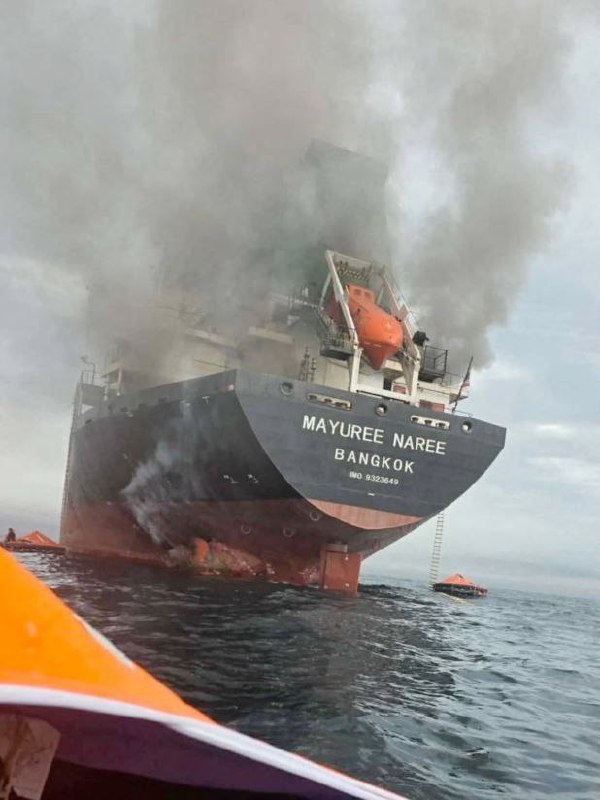
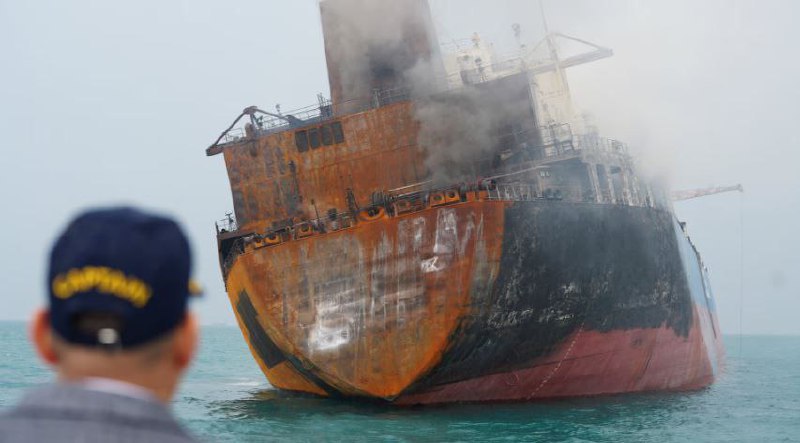
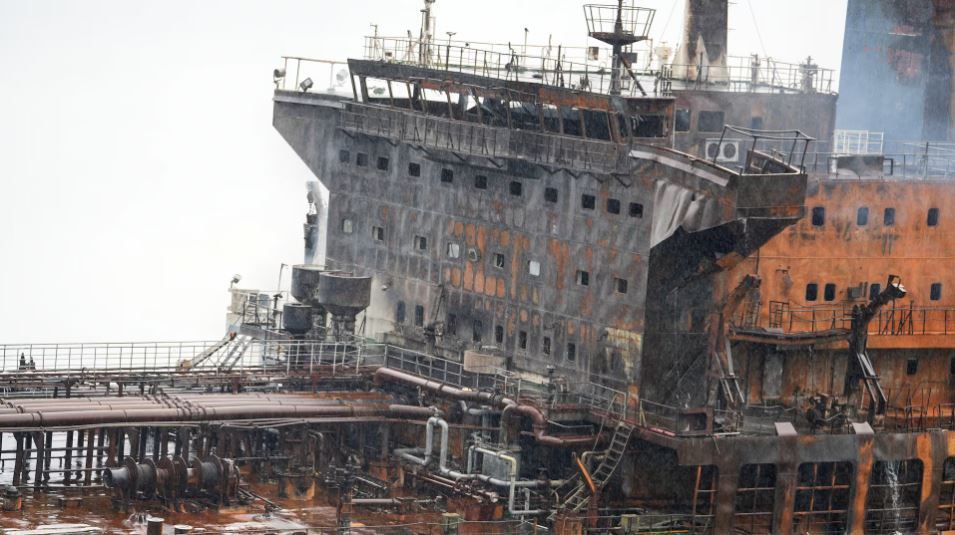
Reuters released a photographic collage illustrating the fate of vessels attempting to breach the Iranian blockade of the Strait of Hormuz. The images, shared via CIG_telegram and GeoPWatch at 22:23 UTC and 19:39 UTC respectively, show damaged or sunk merchant ships, underscoring the heightened risk to commercial navigation.
U.S. Central Command later claimed the destruction of over 100 Iranian naval vessels, asserting a decisive reduction in Iran’s capacity to threaten freedom of navigation (intelslava, 15:21 UTC).
Explosions and Ground Movements in Southern Iran
Five powerful explosions were reported in Bandar Abbas, a strategic port city near the Strait of Hormuz, at 22:05 UTC (monitor_the_situation). While casualty data were not released, the incidents align with the broader pattern of kinetic activity in the region.
In a separate development, the United States considered deploying ground troops to seize the Kharg Island oil depot, a move that would represent the first on‑ground operation in the ongoing Operation Epic Fury (JPost, 12:41 UTC).
Iranian Counter‑Launches
Iran responded with its own missile activity. At 13:00 UTC, a ballistic missile was launched from the Tehran area (monitor_the_situation), and at 15:57 UTC, the Iranian military initiated the 57th wave of Operation True Promise 4, firing missiles and drones from central Iran (monitor_the_situation).
These launches occurred amid a dense sequence of US and Israeli strikes, indicating a rapid escalation and reciprocal use of kinetic force.
Assessment of the Kinetic Landscape
The events of 16 March 2026 illustrate a multi‑theater kinetic campaign against Iran, characterized by:
- High‑precision missile strikes (Tomahawk, ATACMS) targeting civilian and military infrastructure.
- Coordinated air operations by the United States and Israel across Tehran, central Iran, and peripheral ports.
- Naval enforcement actions in the Strait of Hormuz, including reported destruction of Iranian vessels and blockade breaches.
- Iranian retaliatory missile launches, maintaining a reciprocal kinetic posture.
While the Minab school attack dominates the casualty narrative, the cumulative effect of these operations has degraded Iranian military assets, disrupted maritime traffic, and heightened the risk of broader regional escalation.