On March 16, 2026, Pakistani forces allegedly launched a strike on a drug rehabilitation centre in Afghanistan, killing approximately 200 people and injuring dozens, according to the Ministry of Public Health spokesperson. The incident, reported by GeoPWatch (source), marks the deadliest single‑day civilian casualty event in the ongoing Iran‑US‑Pakistan‑Afghanistan nexus and has intensified kinetic operations across the region.
Scale of the Pakistani Attack
The attack was described as a "targeted" operation against a facility housing drug addicts. No conventional weapons were listed, but the high fatality count suggests the use of heavy artillery or air‑delivered munitions. The Ministry of Public Health confirmed the death toll and reported dozens of injuries, though independent verification remains limited.
"Spokesperson of Ministry Of Public Health have stated that reason Pakistani attacks on Afghanistan targeted an Rehabilitation Center for Drug addicts, Killing 200 people and injuring dozen others." – GeoPWatch, 2026‑03‑16T22:08:57
Parallel US Casualties in the Iran‑US Conflict
In a separate but related development, over 200 United States service members were reported injured across multiple Middle Eastern theatres, including Iraq and the Persian Gulf. The injuries resulted from a series of airstrikes, drone attacks, and missile exchanges attributed to Iranian forces and their proxies (source).
Weapons cited include airstrikes, drones and missiles, indicating a coordinated campaign targeting US forward operating bases and logistical nodes. The breadth of the injuries underscores the expanding kinetic dimension of the Iran‑US confrontation.
Escalation of Rocket and Missile Activity
Throughout the day, a wave of rocket alerts and missile launches was recorded across Israel, the United Arab Emirates, and the Persian Gulf. Notable incidents include:
- Iranian missile launches toward Israel, reported by rnintel (source).
- Projectiles striking a US base in Erbil, Iraqi Kurdistan, captured on video by rnintel (source).
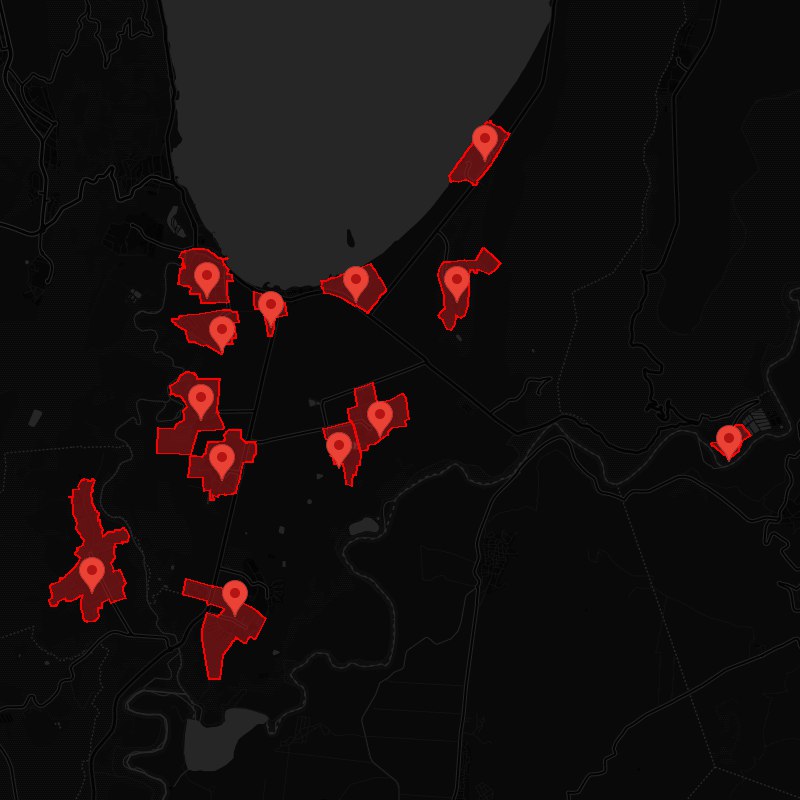
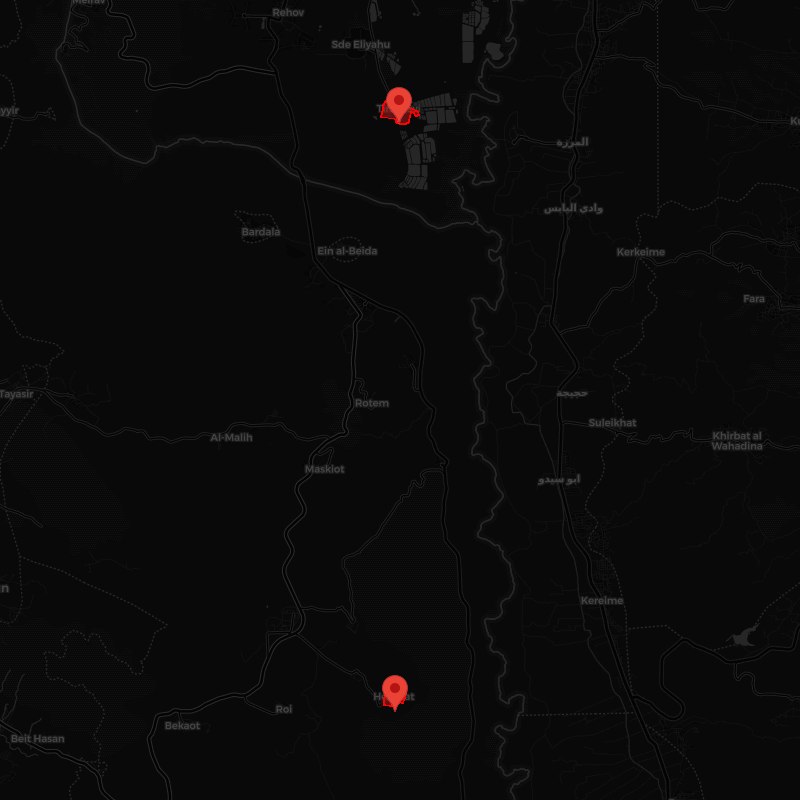
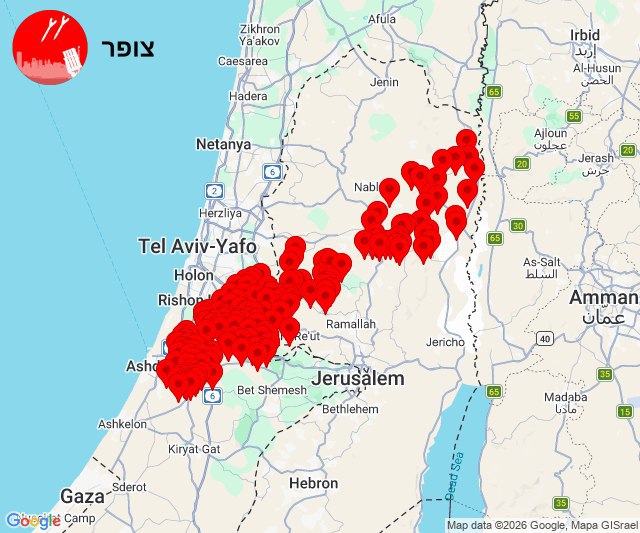
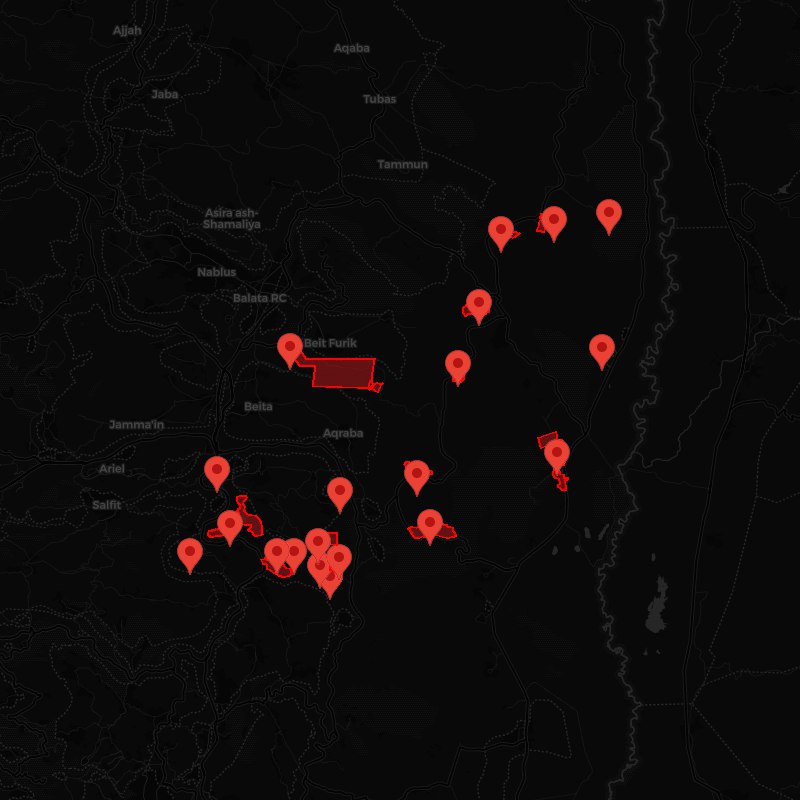
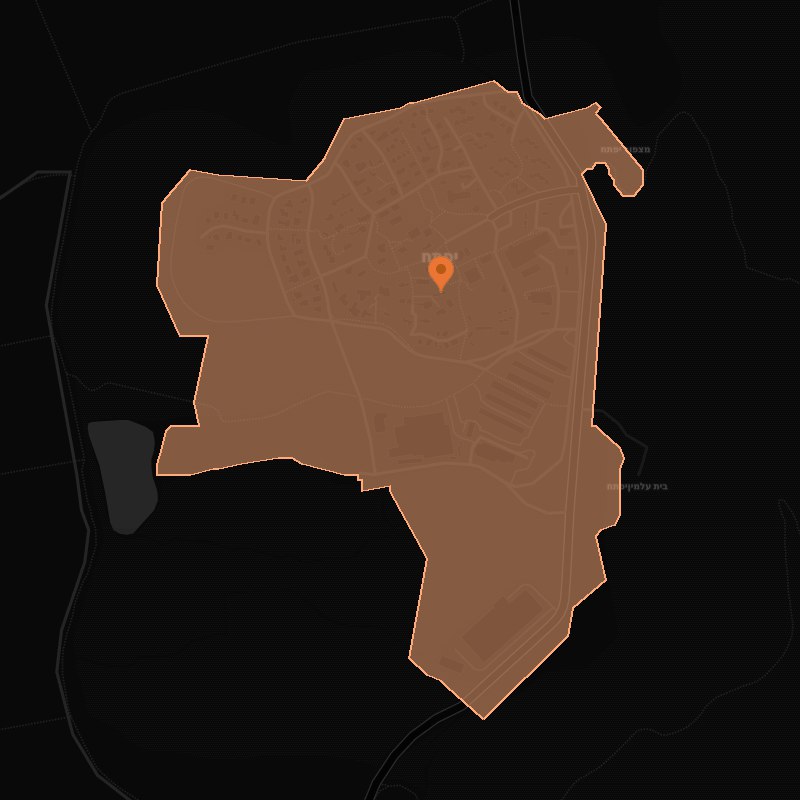
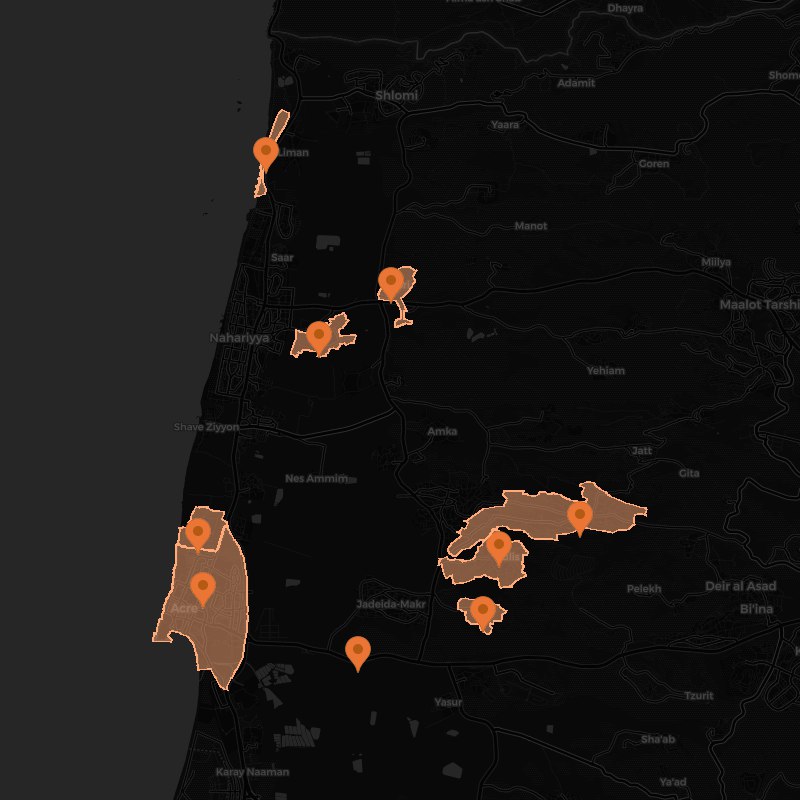
- Multiple rocket alerts across the Israeli “Confrontation Line,” documented by RocketAlert (source).
- An IRGC ballistic missile impact on Dubai International Airport (source).
These events illustrate a pattern of high‑frequency, low‑to‑medium‑range kinetic strikes aimed at both military and civilian infrastructure.
Drone and UAV Threats Intensify
Hostile unmanned aerial systems (UAVs) were employed against diplomatic and military sites. Key incidents include:
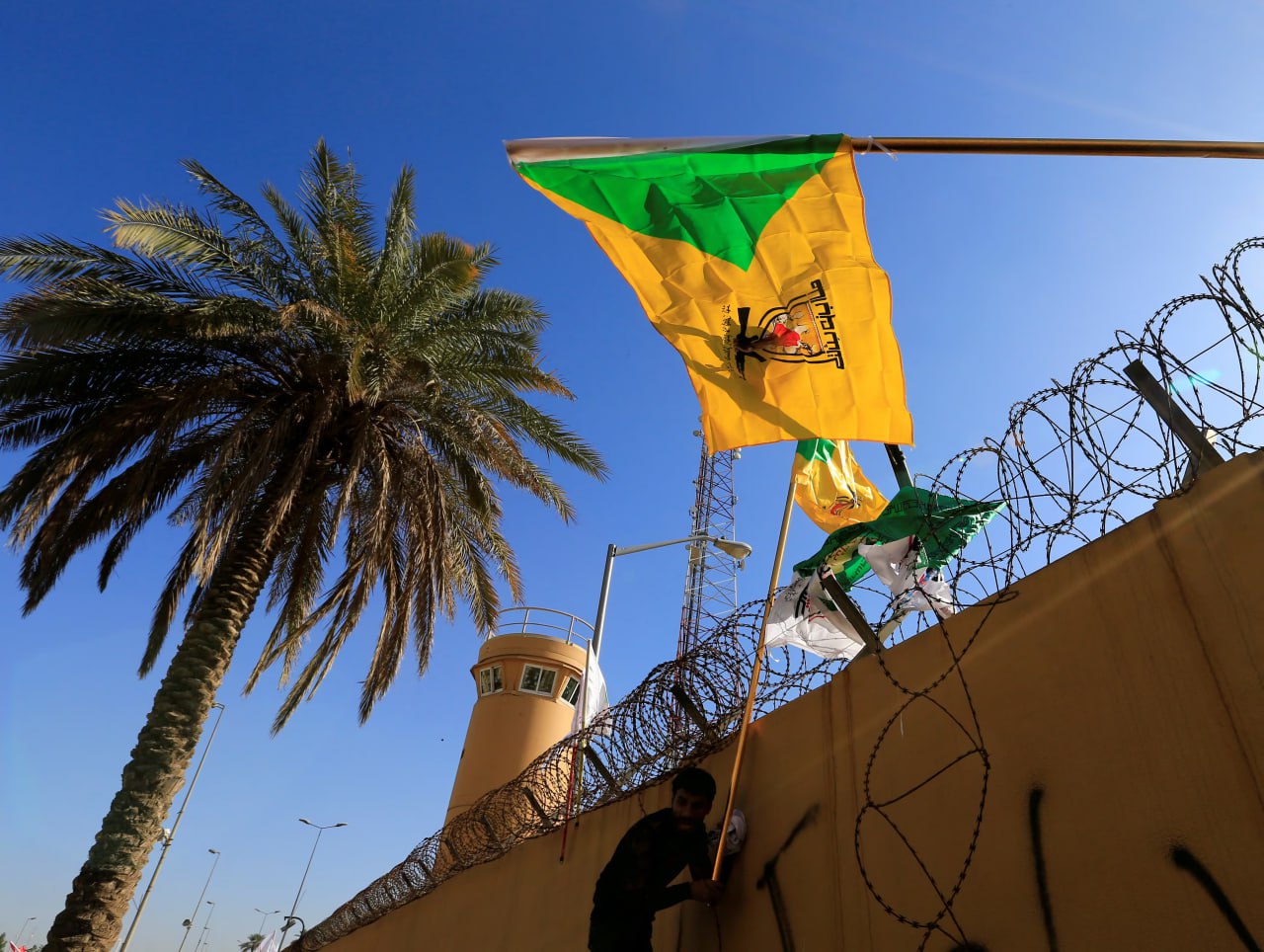
- A kamikaze drone striking the Al‑Rashid Hotel in Baghdad’s Green Zone, igniting a rooftop fire; the attack was blamed on pro‑Iranian militias (source).
- UAV attacks on the US Embassy in Baghdad, prompting activation of Counter‑Rocket, Artillery, and Mortar (C‑RAM) systems (source).
- Iranian kamikaze drones destroying a UAE Saab GlobalEye radar aircraft (source).
These UAV operations demonstrate a shift toward asymmetric kinetic tactics, targeting high‑value assets with low‑cost platforms.
Naval and Airborne Kinetic Operations
Naval engagements were reported, including the Pentagon’s claim that Iran’s naval forces have been “completely destroyed” (source) and Iranian projectiles striking US MQ‑4C and MQ‑9 drone hangars at Al Dhafra Air Base in the UAE (source).
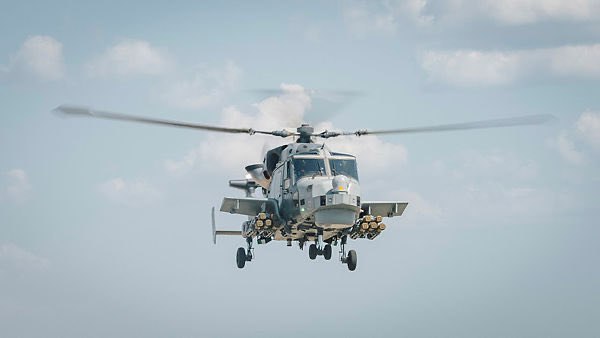
Airborne kinetic actions featured US B‑1B strategic bombers conducting strikes over Iran, transiting Saudi and Jordanian airspace (source), and US A‑10 aircraft targeting Iranian‑backed militia positions in northern Iraq (source).
Humanitarian Impact and Civilian Displacement
Beyond the immediate combatants, civilian populations suffered significant harm. In Kabul, multiple casualties were reported by AFP journalists (source), while in Khost Province, four civilians—including three children—were killed in a Pakistani attack (source).
In Lebanon, Israeli air and ground operations displaced over 800,000 people and caused more than 800 deaths, prompting a UN aid appeal (source).
Strategic Implications
The confluence of high‑intensity kinetic events—large‑scale artillery strikes, missile barrages, drone swarms, and naval engagements—signals a transition from proxy warfare to direct, multi‑theater combat. The Pakistani strike on Afghan soil, while ostensibly a counter‑narcotics operation, aligns with broader regional power plays involving Iran, the United States, and Israel.
U.S. forces are simultaneously conducting offensive air operations against Iranian targets while defending forward bases from rocket and drone attacks. Iran’s use of ballistic missiles, cluster munitions, and UAVs across the Gulf and Israel demonstrates a willingness to project power beyond its borders, complicating de‑escalation pathways.
Overall, the kinetic tempo on March 16, 2026, reflects an escalating cycle of retaliation, where each high‑casualty event fuels further strikes, raising the risk of broader conventional conflict.