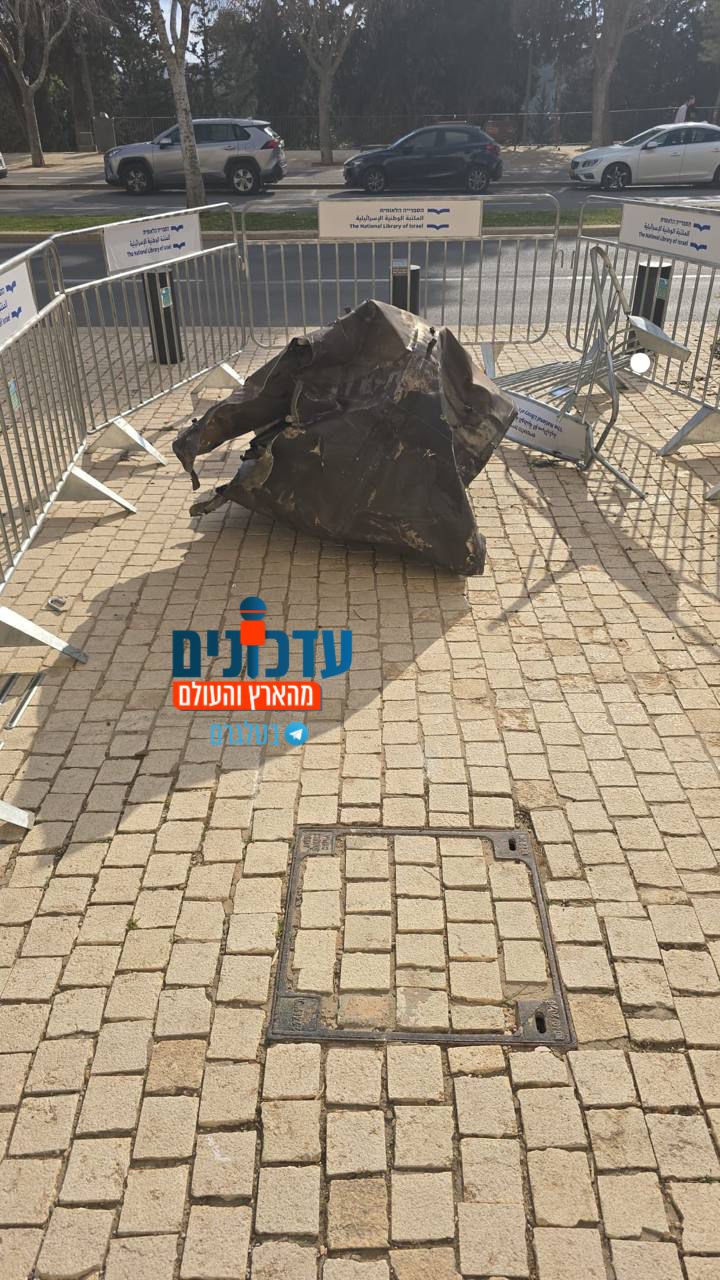
On 16 March 2026 Israel experienced a concentrated wave of kinetic events that spanned the country from the northern border to the central metropolitan area. The most prominent incident occurred at 20:54 local time when the Israel Defence Forces (IDF) intercepted an Iranian‑origin missile over Tel Aviv, prompting soldiers on the ground to celebrate the successful defence. Simultaneously, a series of rocket and missile alerts—originating from Hezbollah in Lebanon and the Islamic Revolutionary Guard Corps (IRGC) in Iran—triggered air‑defence responses, caused material damage in several towns, and led to heightened civil‑defence alerts.
High‑profile interception over Tel Aviv
At 20:54:38, BellumActaNews reported that IDF personnel stationed in Tel Aviv observed an Iranian missile entering Israeli airspace and were able to engage it before impact. The interception was captured on video and described as a moment of collective relief, with soldiers cheering as the projectile was destroyed. The event underscores the operational readiness of Israel’s multi‑layered air‑defence architecture, which includes the Arrow, David’s Sling, and Iron Dome systems.
"IDF soldiers in Tel Aviv cheer as an Iranian missile is intercepted overhead," BellumActaNews, 16 Mar 2026.
The missile’s origin was traced to the Islamic Revolutionary Guard Corps (IRGC), reflecting Tehran’s continued use of long‑range ballistic capabilities against Israeli targets. No casualties were reported from this interception, and debris fell in unpopulated areas, according to a follow‑up report from rnintel at 13:31:56 indicating that all missile fragments were intercepted.
Hezbollah rocket and drone barrage in northern Israel
From 17:16 to 18:45, multiple sources—including IntelRepublic, intelslava, and RocketAlert—documented a sustained barrage of rockets, missiles, and attack drones launched from Lebanese territory toward the city of Nahariya and surrounding northern locales. The attacks employed a mix of unguided rockets, precision‑guided missiles, and unmanned aerial vehicles (UAVs). Notable incidents include:
- At 18:45:03, intelslava reported widespread fires in Nahariya caused by Hezbollah missiles and drones, accompanied by four video recordings of the aftermath.
- At 17:16:09, IntelRepublic quoted Hezbollah stating that a coordinated rocket barrage and drone swarm targeted Nahariya at 18:00 as a “warning” to the settlement.
- At 17:11:46, further rocket impacts ignited fires across northern Israel, as captured on video by IntelRepublic.
Despite the intensity of the attacks, casualty figures were not disclosed in the open‑source material. The Israeli Home Front Command activated red alerts across the northern district, prompting civilian shelters and the mobilisation of emergency services.
Iranian ballistic missile launches toward central Israel
Iran’s IRGC launched several ballistic missiles aimed at central Israeli territory throughout the day. GeoPWatch recorded a missile launch at 20:18:45 targeting central Israel, while at 08:44:08 the same outlet documented a ballistic missile that released sub‑munitions over Lod, creating a pattern of fragmentation across the city. Additional missile activity was noted at 00:47:19 in Be’er Sheva, where GeoPWatch warned of a possible second salvo of IRGC ballistic missiles, prompting renewed red alerts.
These missile trajectories were intercepted by Israel’s layered defence system. At 13:12:07, BellumActaNews confirmed a missile interception over Jerusalem, and at 10:28:17 rnintel reported a second Iranian ballistic missile intercepted over northern Israel. The successful interceptions prevented any reported injuries, though debris fields were observed in several locations, including the Sea of Galilee region where a missile was intercepted outside national borders at 23:09:16 (idkunim_il).
Widespread rocket alerts and civil‑defence activation
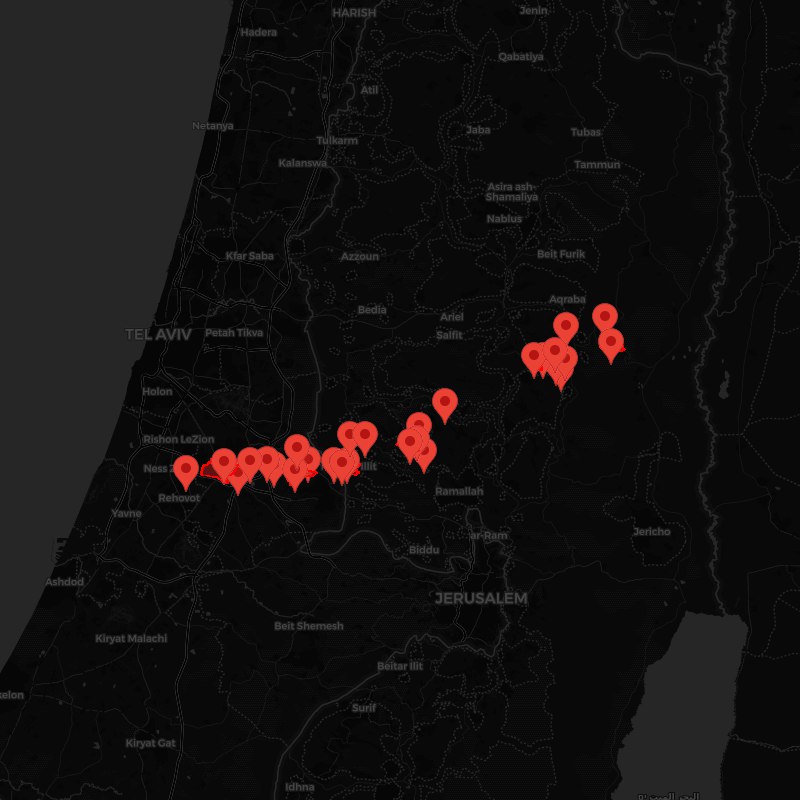
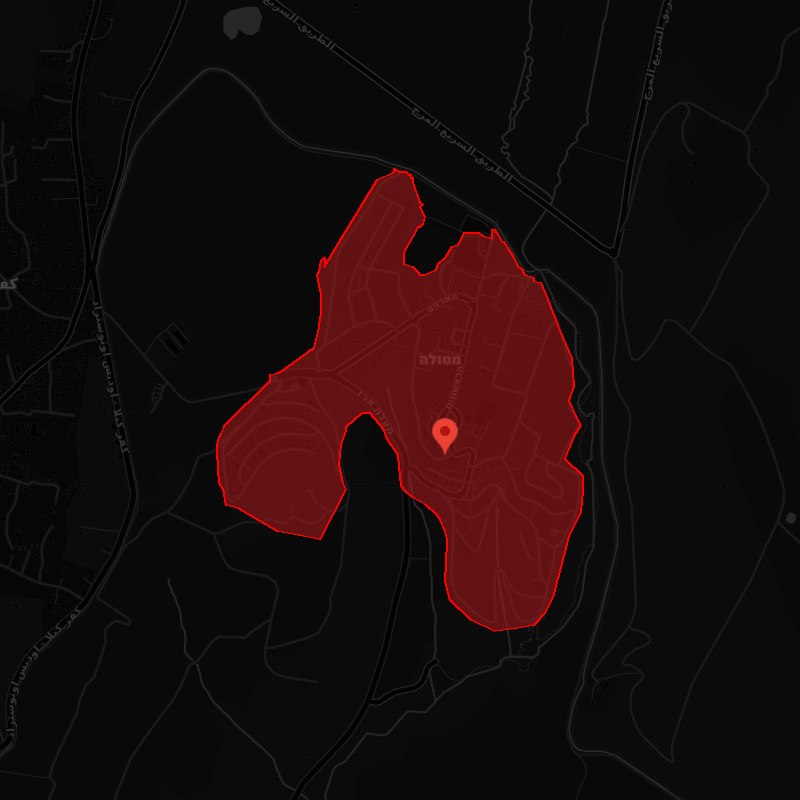
RocketAlert and other monitoring services logged over twenty separate rocket alerts across Israel’s central, northern, and southern districts. Notable alerts include:
- 20:24:14 – Nahariya (intelslava) – visual evidence of post‑attack damage.
- 20:21:57 – Multiple sites in the Ramla‑Nesher industrial zone (RocketAlert) – alert without confirmed impact.
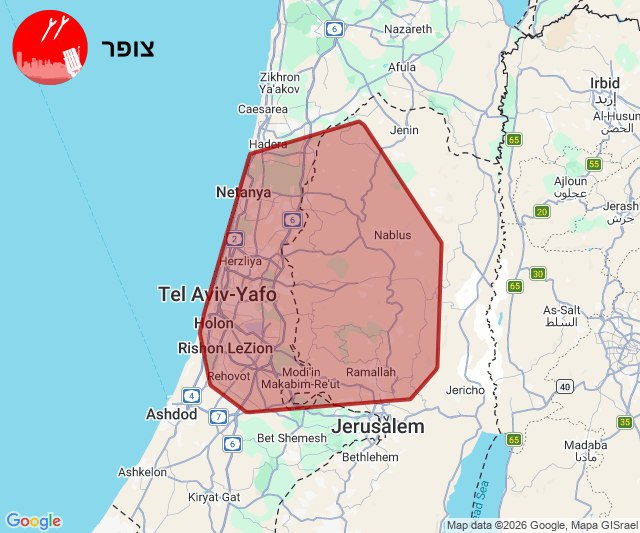
- 20:20:13 – Broad area covering Tel Aviv‑East, Ramat Gan, and surrounding suburbs (RocketAlert) – no weapons reported but alerts issued.
- 14:01:12 – Red alert along the Lebanon‑Israel border (rnintel) – pre‑emptive warning.
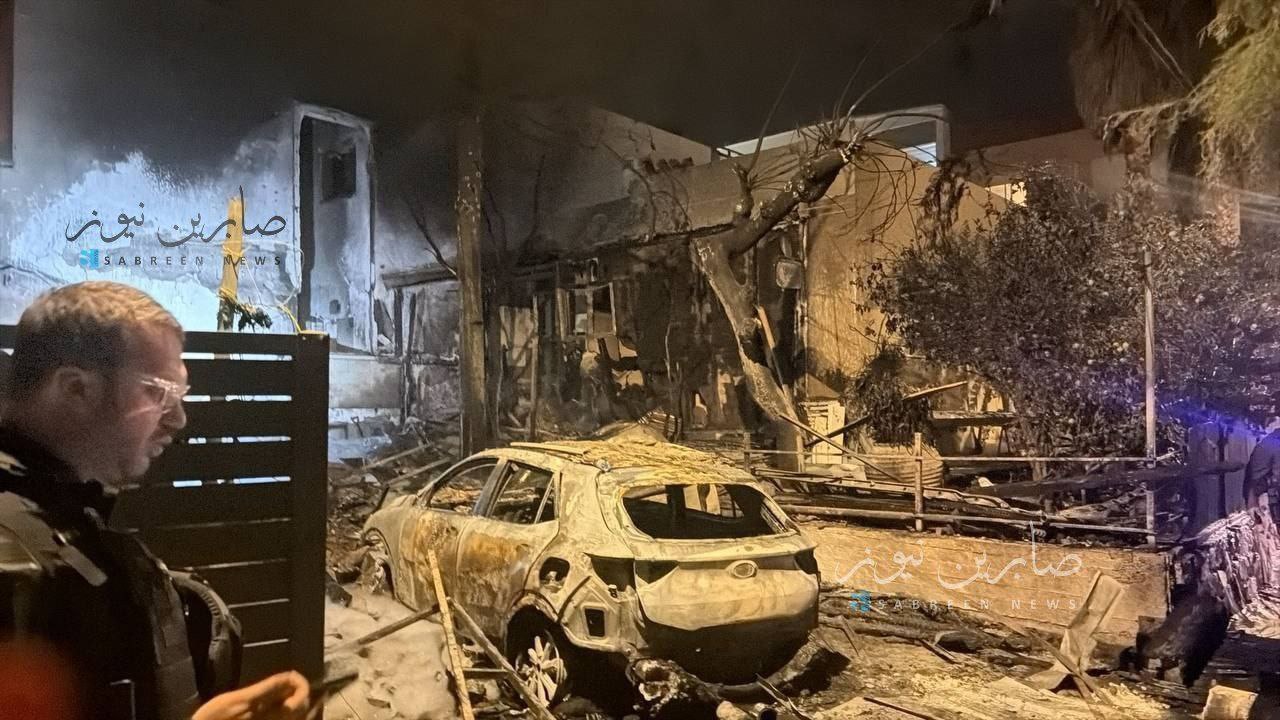
These alerts triggered sirens in major urban centres, including central Israel at 08:06:13 (rnintel) and northern Israel at 09:46:15 (JPost), where multiple impact sites from an Iranian barrage were reported in Shoham and Rishon LeZion, resulting in one light injury.
Targeted strikes on civilian infrastructure
Specific incidents of material damage were recorded in several towns:
- Beit Shemesh – a missile struck a residential home at 15:51:21 (JPost). The family survived, and community support was mobilised.
- Rishon LeZion – President Isaac Herzog visited missile impact sites at 15:51:15 (JPost), condemning the Iranian attacks.
- Jerusalem – severe explosions were reported at 08:12:15 (idkunim_il), though no casualties were disclosed.
These events illustrate the direct impact of kinetic operations on civilian populations, prompting coordinated emergency response and political messaging from Israeli leadership.
Air‑defence performance and tactical observations
The day’s engagements provide several analytical insights:
- Multi‑layered interception capability: Israel successfully intercepted at least five ballistic or cruise missiles originating from Iran, demonstrating the effectiveness of integrated systems (Arrow, David’s Sling, Iron Dome).
- Hezbollah’s combined‑arms approach: The use of rockets, missiles, and attack drones in coordinated barrages against northern Israeli towns reflects an escalation in tactical complexity.
- Civil‑defence alert saturation: Frequent red alerts across multiple districts may strain public response mechanisms, highlighting the need for calibrated alert thresholds.
Overall, the kinetic events of 16 March 2026 underscore a heightened period of cross‑border hostilities, with Iran and Hezbollah employing a spectrum of projectile weapons while Israel’s defensive infrastructure continues to adapt to multi‑vector threats.