Hengaw reports that more than 4,900 individuals, predominantly members of the Iranian armed forces, have been killed in the two‑week war between the United States, Israel and the Islamic Republic of Iran. The figure includes 4,420 Iranian military personnel, representing 90.2% of the total casualties.
"4,900+ people killed in 2 weeks of war between the US + Israel and the Islamic Republic of Iran 🇮🇷; 4,420 (90.2%) were members of Iranian military forces." – BellumActaNews, 2026‑03‑15T17:33:30
Humanitarian fallout in Iran
The Iranian government, via spokesperson Fatemeh Mohajerani, announced that U.S.–Israeli strikes have damaged more than 42,000 civilian sites across the country, underscoring the extensive collateral damage accompanying the kinetic phase of the conflict.
"US‑Israeli strikes have damaged more than 42,000 civilian sites across Iran," – Al Jazeera, 2026‑03‑15T11:32:54
U.S. air operations and losses
The United States has intensified its aerial campaign. CENTCOM released video evidence of coordinated air and naval bombing runs targeting multiple sites throughout Iran, employing bombs from both the U.S. Air Force and U.S. Naval Aviation.
"United States Central Command (CENTCOM) published a video showing the bombing campaigns by US Air Force and US Naval Aviation against targets across Iran" – BellumActaNews, 2026‑03‑15T21:11:51
In parallel, a KC‑135 refueling aircraft crashed in western Iraq during Operation Epic Fury, killing six U.S. Air Force members.
"Six U.S. Air Force members were killed when a KC-135 refueling aircraft crashed in western Iraq" – GeoPWatch, 2026‑03‑15T11:22:11
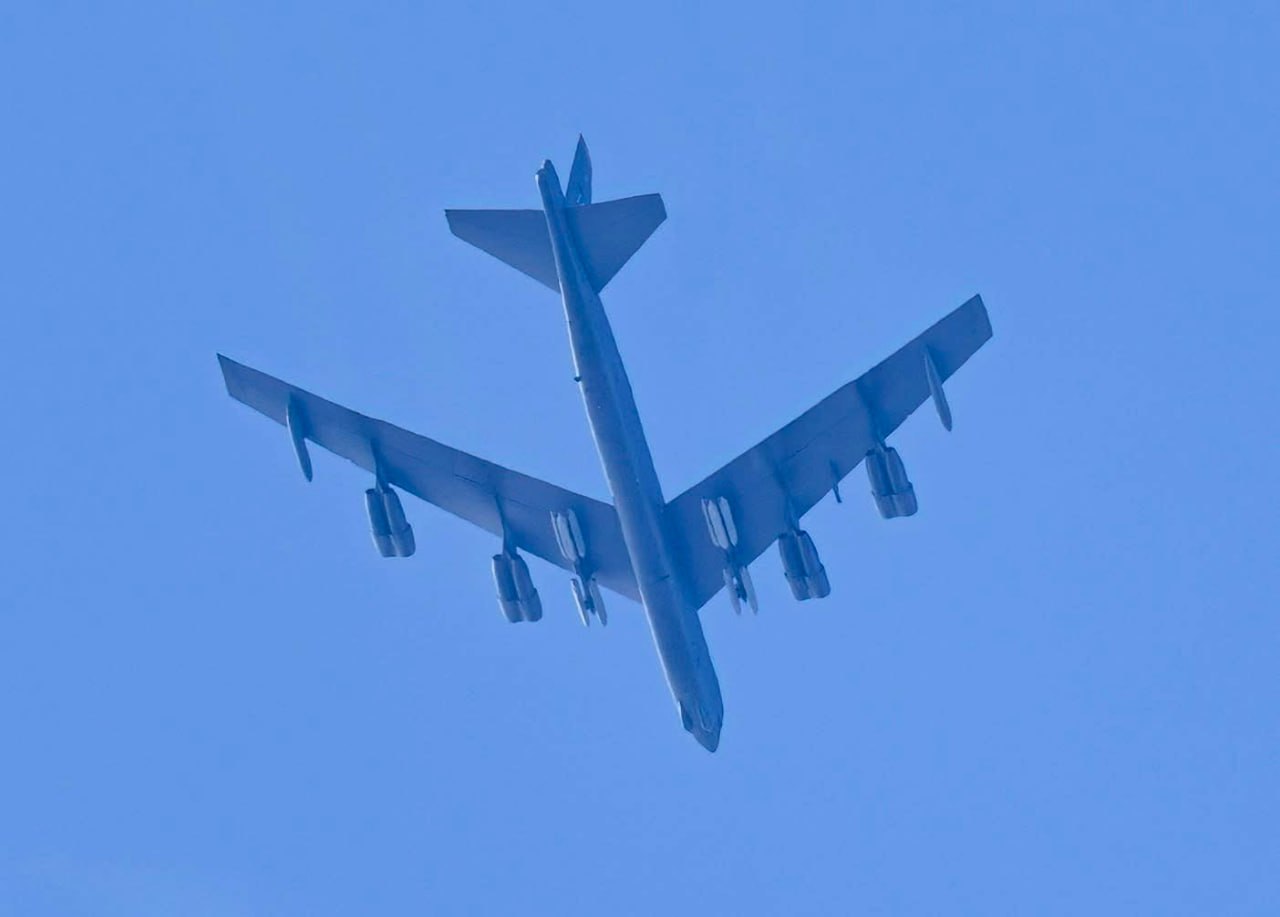
Additional air assets were deployed: B‑52H bombers carrying AGM‑158 JASSM cruise missiles were observed heading toward Iran, and B‑52 Stratofortresses launched from a UAE base conducted night strikes over the Persian Gulf.
"US B-52H bomber observed heading toward Iran carrying AGM‑158 JASSM cruise missiles" – CIG_telegram, 2026‑03‑15T10:20:29
Missile and rocket activity
Iran responded with a series of missile and drone launches. At 21:41:18, the Islamic Revolutionary Guard Corps (IRGC) announced the first operational use of Sejjil medium‑range ballistic missiles, targeting Israel, the United States and Gulf Cooperation Council (GCC) monarchies.
"IRGC announced the first deployment of Sejjil medium‑range ballistic missiles, aimed at Israel, the United States and GCC monarchies" – BellumActaNews, 2026‑03‑15T21:41:18
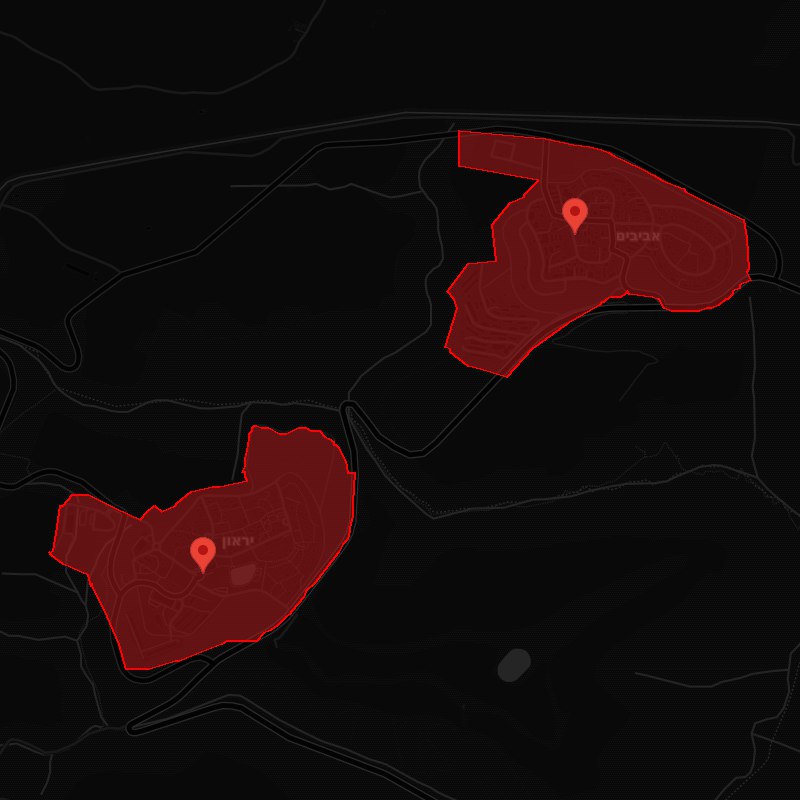
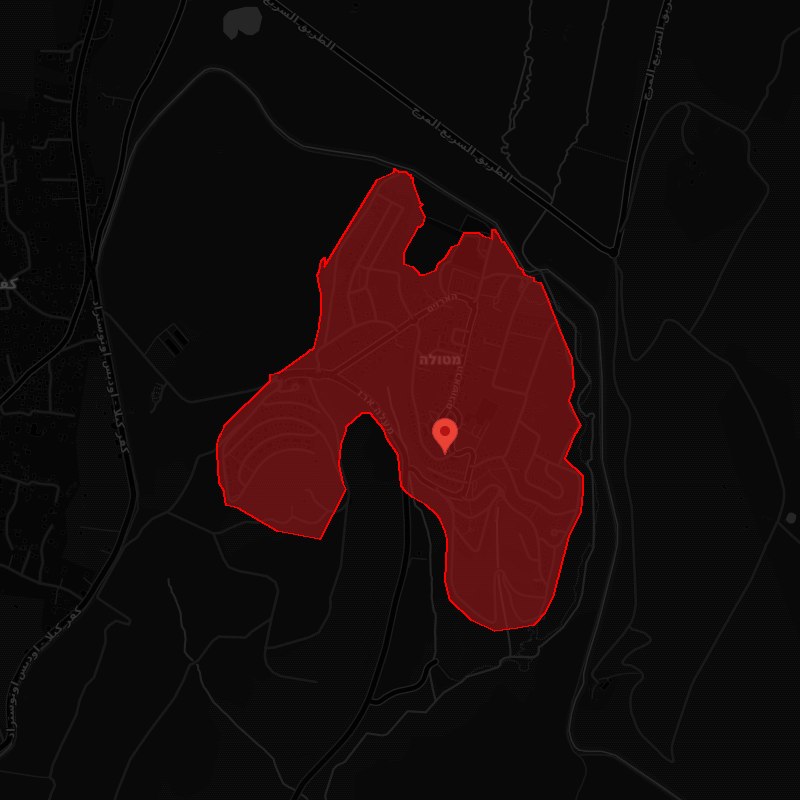
Subsequent missile and rocket attacks were reported across the region: Iranian missiles struck Bahrain, Kuwait and the United Arab Emirates; multiple rocket alerts were issued in Israel’s northern districts (e.g., Yir’on, Metulla, Kiryat Shmona); and pro‑Iranian militias fired rockets at the U.S. Camp Victoria base in Baghdad.
Explosions and drone incidents in the Gulf
Explosions were reported in Manama, Bahrain and Dubai, United Arab Emirates during the evening, with both locations experiencing renewed blast activity. Drone attacks targeted strategic sites, including the Ali Al Salem Air Base in Kuwait, where an Iranian drone destroyed an Italian MQ‑9 Reaper UAV, and the Isa Air Base in Bahrain, which suffered a projectile strike that generated a large smoke plume.
Naval and ground movements
The U.S. Navy repositioned its carrier strike groups: the USS Abraham Lincoln moved near Salalah, Oman, while the USS Gerald R. Ford shifted to the southern Red Sea off Jeddah, Saudi Arabia, reflecting a strategic redeployment away from Iranian waters.
"US carriers USS Abraham Lincoln and USS Gerald R. Ford repositioned, moving away from Iran toward Oman and the Red Sea" – intelslava, 2026‑03‑15T19:23:20
On the ground, the Israeli government announced plans to raise reservist mobilization to 450,000 personnel in preparation for a potential ground offensive in Lebanon, while Hezbollah reported successful anti‑tank guided missile (ATGM) strikes on Israeli Merkava tanks in the Khiam and Taybeh areas of southern Lebanon.
Cyber and communications disruption
Iran shut down nationwide internet access amid the ongoing U.S.–Israeli airstrikes, limiting civilian communications and complicating real‑time reporting.
"Iranian authorities have severed internet access across the country" – monitor_the_situation, 2026‑03‑15T21:01:40
Assessment
The data from March 15, 2026, illustrates a rapid escalation of kinetic operations across multiple domains: air, land, sea, cyber and space. The casualty figures reported by Hengaw indicate that the conflict has moved beyond a limited exchange of fire into a high‑intensity war with significant attrition of Iranian military personnel. Simultaneously, the extensive damage to civilian infrastructure in Iran raises the risk of a broader humanitarian crisis.
U.S. and Israeli forces have leveraged long‑range strike platforms (B‑52, B‑1B, KC‑135, ATACMS, HIMARS) to project power deep into Iranian territory, while Iran has responded with ballistic missile salvos, drone swarms and proxy attacks on U.S. installations in Iraq and the Gulf. The proliferation of rocket alerts across Israel underscores the heightened threat environment for civilian populations on both sides of the conflict.
Naval redeployments and the movement of THAAD components from South Korea to the Middle East suggest a strategic shift to reinforce missile defense capabilities in the region, anticipating further missile exchanges.