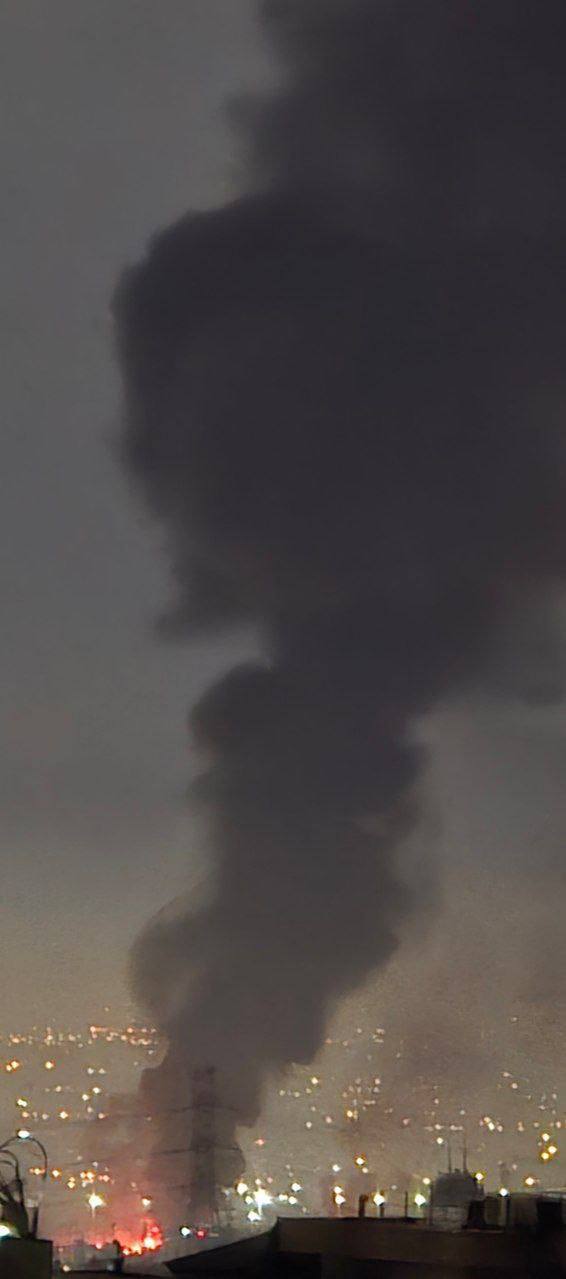
On 15 March 2026, a coordinated US‑Israeli airstrike on a factory in Isfahan killed at least fifteen civilians, marking the most lethal kinetic event in Iran that day and prompting Tehran to launch a series of retaliatory strikes against Israeli and Gulf targets.
"US and Israeli forces struck a factory in Isfahan, killing at least 15 people," Al Jazeera reported, noting the attack as part of a broader campaign against Iranian infrastructure (AlJazeera, 2026‑03‑15).
Isfahan Attack and Immediate Casualties
The strike, recorded at 08:52:23 UTC, employed precision missiles launched from undisclosed platforms. While the exact weapon system was not disclosed, the impact caused extensive structural damage and a high civilian death toll. Iranian state media confirmed the figure of fifteen fatalities and reported dozens of injuries, underscoring the strike’s humanitarian impact.
Air Campaign Over Tehran and Major Cities
Within minutes of the Isfahan strike, the United States intensified its aerial offensive. At 08:16:44 UTC, the US Air Force conducted airstrikes on nuclear facilities near Tehran, targeting sites linked to Iran’s enrichment program (monitor_the_situation). Later, at 05:21:11 UTC, US B‑52 strategic bombers, operating under Operation Epic Fury, bombed multiple Iranian cities, including Tehran, producing nationwide explosions (JPost). Additional US‑Israeli sorties hit Tehran’s western districts, the Space Research Centre, and the Iranian Space Agency’s Space Research Center, causing severe structural damage (GeoPWatch, AlJazeera).
High‑intensity attacks continued throughout the day. At 17:51:19 UTC, airstrikes struck Tehran and the nearby city of Karaj, while at 23:38:23 UTC, further US‑Israeli strikes were reported over the capital (BellumActaNews). Explosions were documented in Tehran at 23:33:57 UTC, corroborated by photographic evidence (rnintel). The pattern of repeated strikes demonstrates a sustained effort to degrade Iran’s command, control, and nuclear capabilities.
Missile Deployments and Iranian Counter‑Strikes
Iran responded with its own kinetic assets. At 20:30:40 UTC, Tehran deployed a Sejjil two‑stage ballistic missile, alongside Khorramshahr, Kheibarshekan, Emad, and Qadr missiles, targeting US military infrastructure in central Iran (monitor_the_situation). This marked the first combat use of the Sejjil system, indicating a significant escalation in Iranian missile capability.
Earlier, at 00:28:04 UTC, Iran launched ballistic missiles from western Iran toward central regions, a move described as a direct response to the ongoing US‑Iran confrontation (monitor_the_situation). These launches were accompanied by a series of US‑Israeli airstrikes on Iranian intelligence and IRGC facilities in Kermanshah, Khorramabad, and other western provinces, illustrating a tit‑for‑tat kinetic exchange.
Strategic Targets: Nuclear Facilities and Space Research Centre
The US campaign explicitly targeted Iran’s nuclear infrastructure. Airstrikes on 15 March hit facilities near Tehran and the Pickaxe Mountain enrichment site, though the Israeli Defense Forces (IDF) later warned that over 400 kg of 60 % enriched uranium remained untouched (JPost). Simultaneously, Israeli aircraft struck the Iranian Space Agency’s Space Research Center in western Tehran, causing extensive damage to satellite and intelligence assets (GeoPWatch).
These actions aim to curtail Iran’s nuclear advancement and space capabilities, while Iran’s missile launches seek to demonstrate deterrence and retaliatory capacity.
Regional Repercussions and International Responses
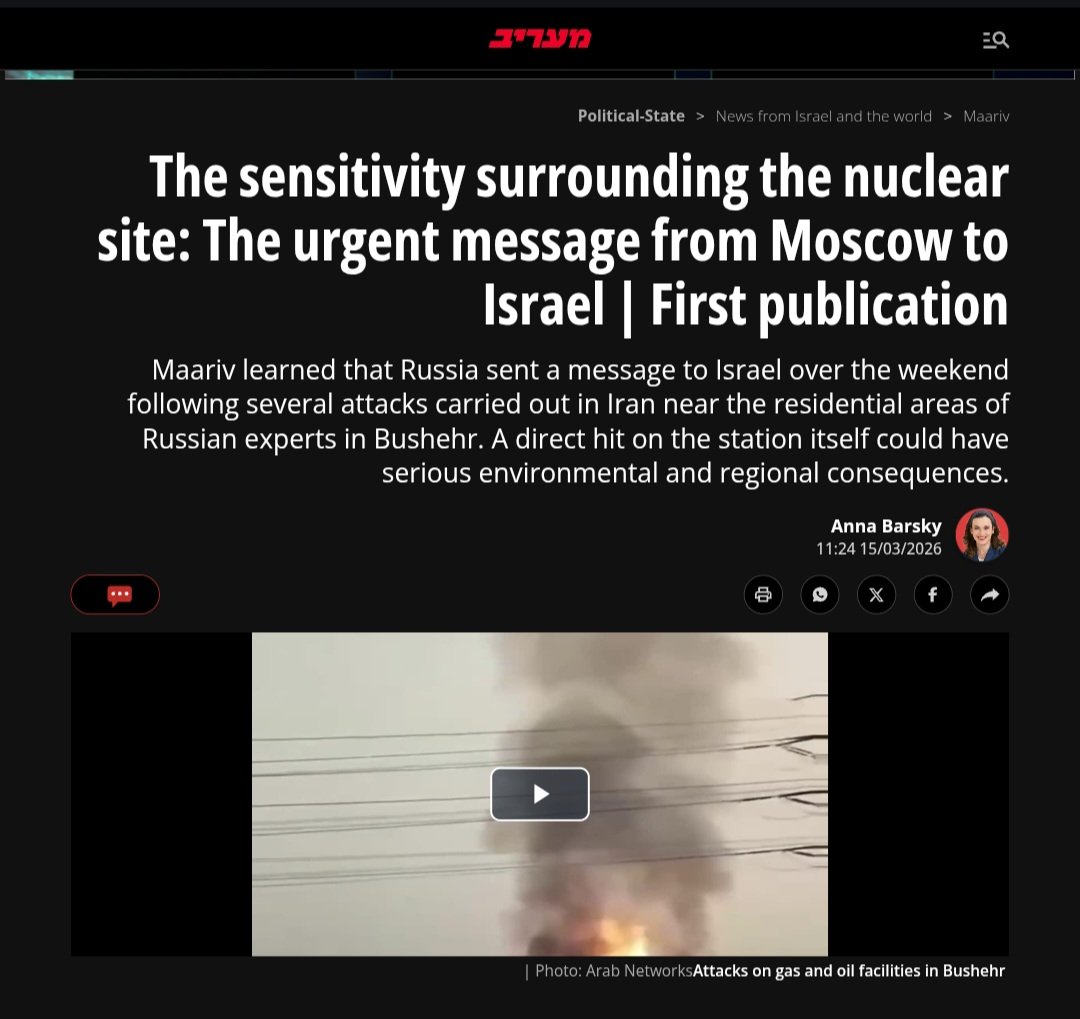
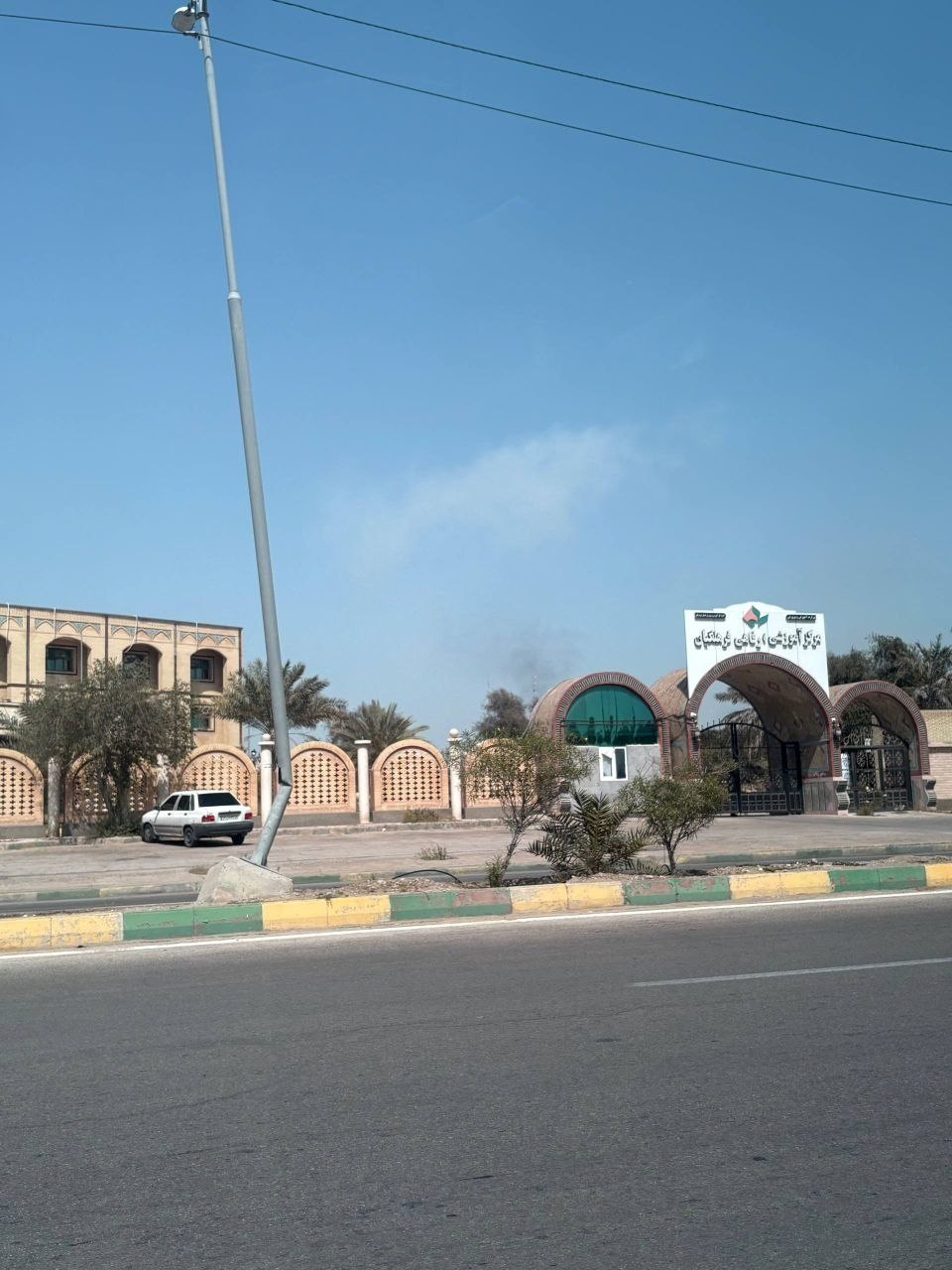
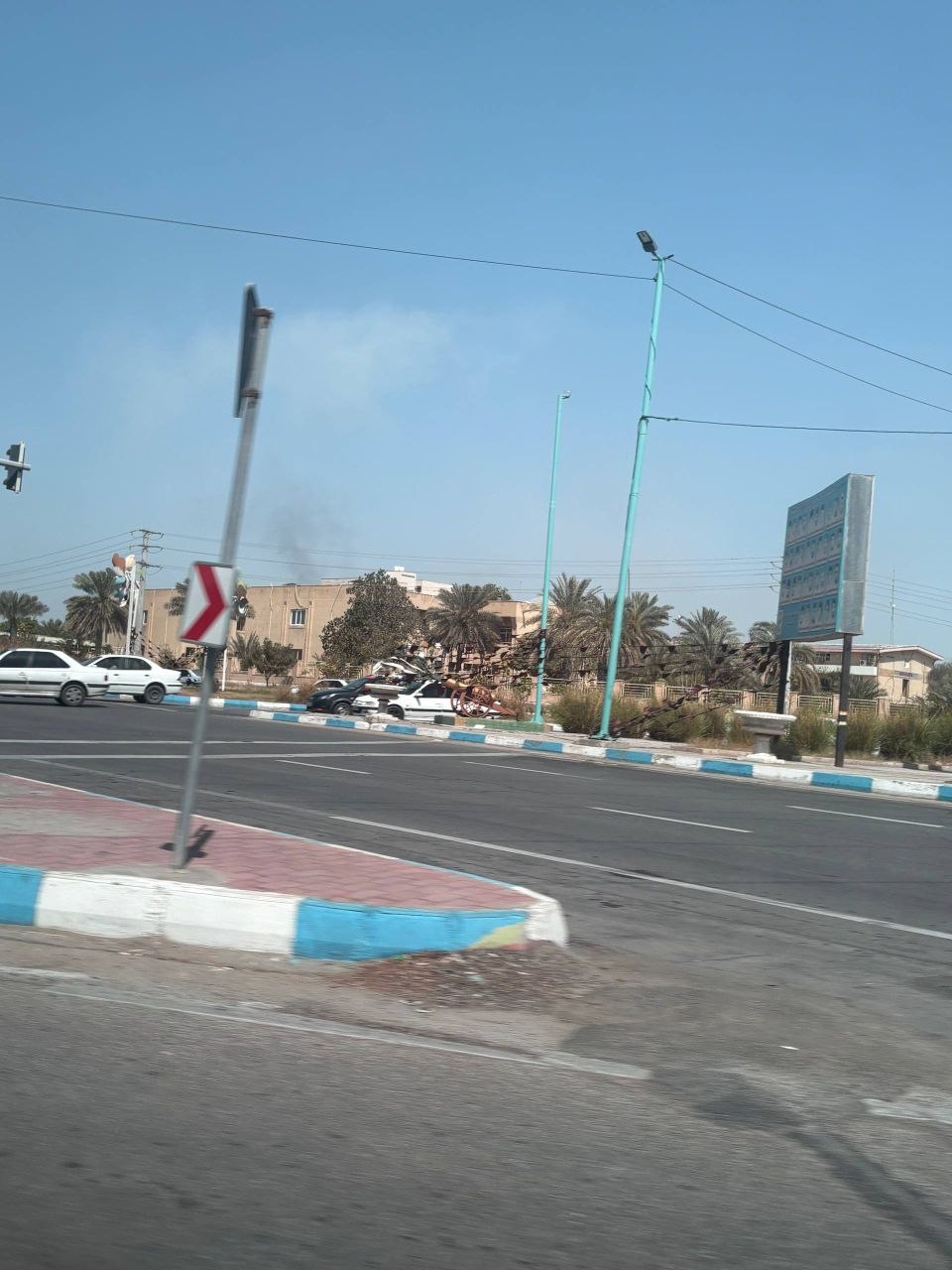
Beyond Iran’s borders, the kinetic escalation prompted diplomatic fallout. Russia formally protested Israeli airstrikes near the Bushehr Nuclear Power Plant, where Russian personnel operate, raising concerns about broader regional escalation (monitor_the_situation). In Bushehr, an Israeli missile strike near Russian scientists sparked protests in Moscow and a warning from Russian officials against further attacks (JPost).
South Korea, concerned about oil security in the Strait of Hormuz, announced plans to deploy naval forces to protect shipments amid the heightened US‑Israel‑Iran tensions (monitor_the_situation). This illustrates how kinetic events in Iran are influencing security calculations across the Gulf and beyond.
Assessment of Kinetic Escalation
The March 15 kinetic surge reflects a multi‑layered campaign: US strategic bombers, Israeli air assets, and Iranian ballistic missiles operating in rapid succession. The use of B‑52 bombers, the first combat deployment of Sejjil missiles, and repeated strikes on nuclear and space facilities indicate a deliberate effort to degrade Iran’s strategic depth while signaling resolve.
Key observations include the concentration of attacks on dual‑use facilities (nuclear, space, intelligence), the high civilian casualty count in Isfahan, and the emergence of Iranian missile capabilities that could threaten regional assets. The pattern suggests a shift from limited strikes to a broader, coordinated kinetic operation involving multiple state actors.
While the immediate humanitarian impact is evident, the longer‑term implications for regional stability remain uncertain. Continued air and missile exchanges risk drawing neighboring states into direct confrontation, especially given Russia’s protest and South Korea’s naval considerations.