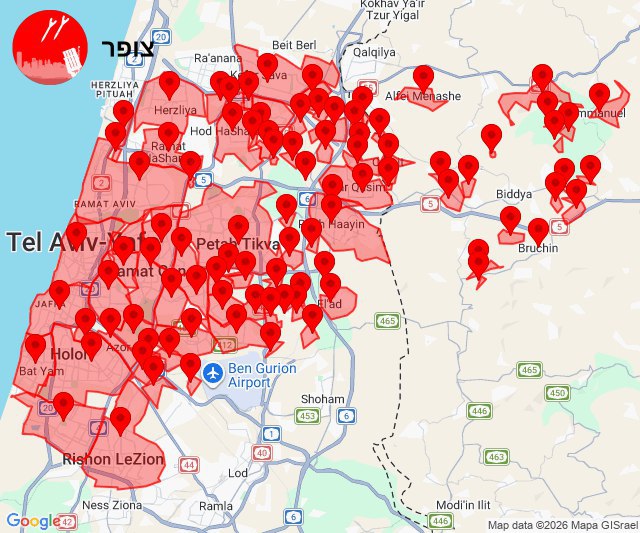
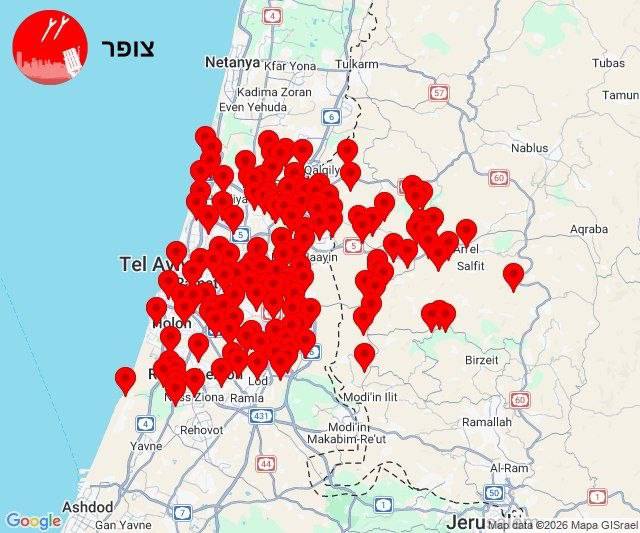
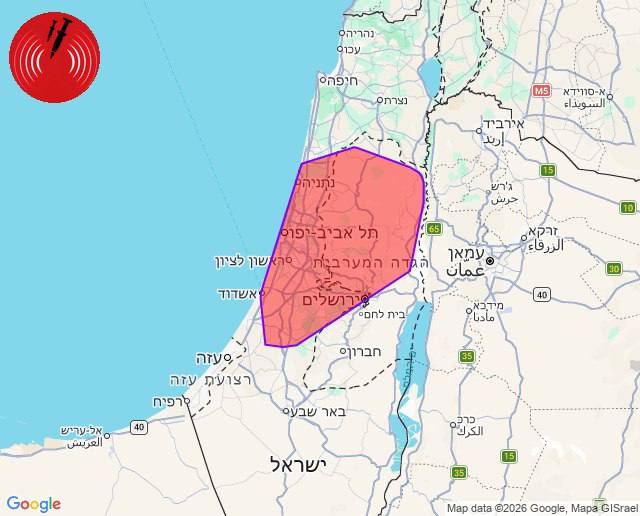
On 15 March 2026 Israel faced an unprecedented wave of kinetic attacks, highlighted by a coordinated Iranian ballistic missile barrage that triggered red alerts across Tel Aviv at 23:30:54. The alert, posted by GeoPWatch, read simply "Red Alerts in Tel Aviv," and was accompanied by a photo of the city’s siren system activating. No casualties were reported from this specific alert, but the event marked the most significant escalation of the day, underscoring the heightened threat environment.
Timeline of Major Kinetic Events
23:30:54 – Red alerts in Tel Aviv (GeoPWatch, source) – The city’s air‑raid sirens sounded following intelligence of incoming Iranian missiles. The alert covered the entire metropolitan area, prompting residents to seek shelter.
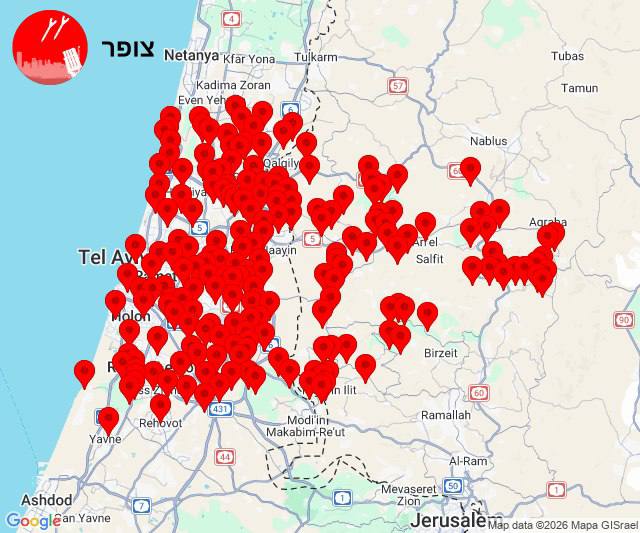
23:30:05 – Rocket alert across the Tel Aviv metropolitan region (RocketAlert, source) – A detailed list of affected neighborhoods, from Gat Rimon to Jaffa, was released, indicating a broad coverage area but no confirmed impacts.
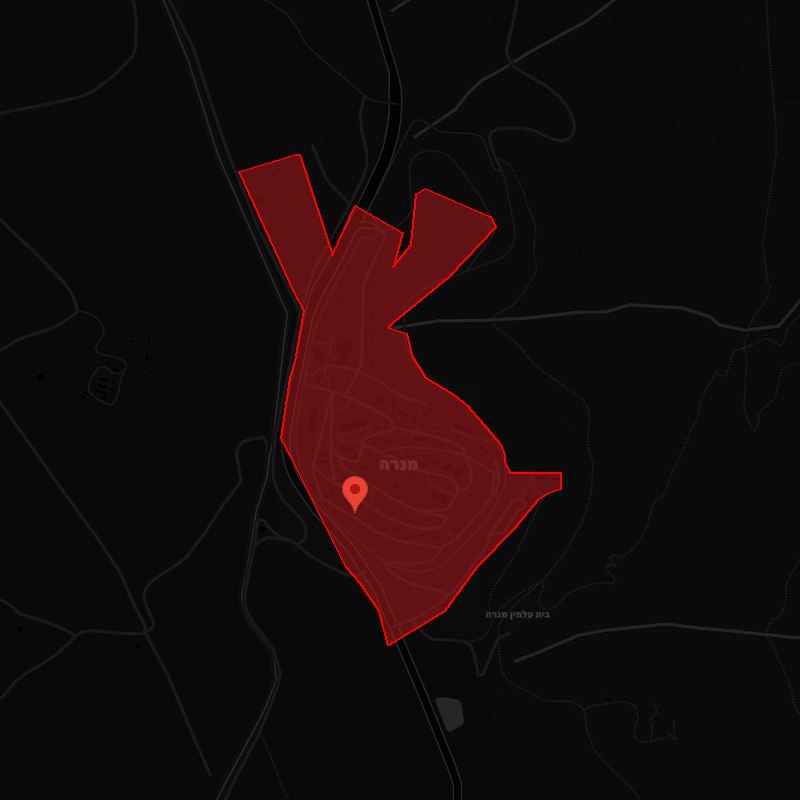
22:33:55 – Rocket alert near Manara (RocketAlert, source) – The alert referenced the “Confrontation Line” at Manara, a known flashpoint along the Gaza‑Israel border.
19:36:10 – Missile fragment strikes U.S. consular residence (JPost, source) – An Iranian missile fragment impacted the U.S. consular building in Israel. No injuries were reported, and the incident was recorded as a direct hit on foreign diplomatic property.
14:49:15 – Iranian missile hits Tel Aviv street (AlJazeera, source) – CCTV footage released by Israeli police captured the moment a missile struck a city street, causing minor structural damage but no fatalities.
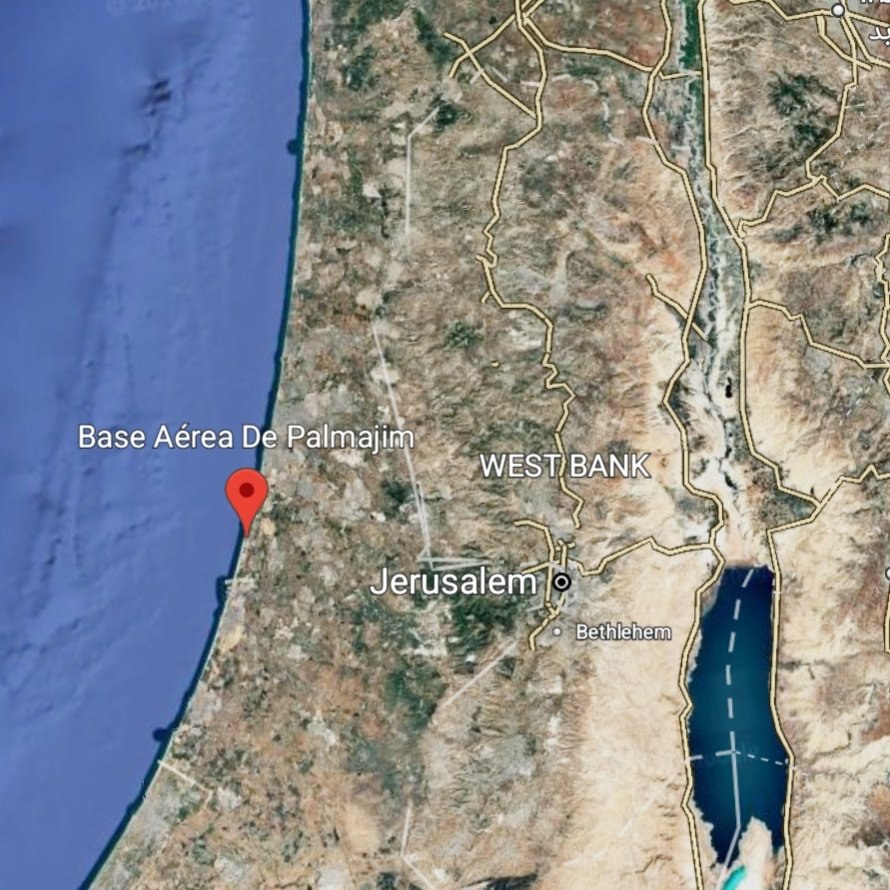
12:50:23 – Hezbollah ballistic missile at Palmachim Air Base (monitor_the_situation, source) – Hezbollah announced a ballistic missile launch targeting the air base at 06:00 local time. The base reported no damage; the missile was intercepted by Israel’s Iron Dome system.
11:28:01 – Impacts reported in central Israel (GeoPWatch, source) – Unspecified impacts were logged, suggesting possible Iranian-linked strikes, though no casualty figures were released.
10:17:54 – Hezbollah rockets cause six flaming impacts in Tel Aviv (IntelRepublic, source) – Video evidence showed six large fireballs across the city, attributed to Hezbollah rockets. Casualties were limited to minor injuries.
09:50:32 – Interception of Iranian missile over Eilat (rnintel, source) – Israel’s air defense shot down a missile aimed at the southern port city of Eilat; a second ballistic missile continued toward central Israel.
09:44:23 – Additional Iranian missile launch toward central Israel (rnintel, source) – Photographic evidence of the launch was shared, confirming continued pressure on central districts.
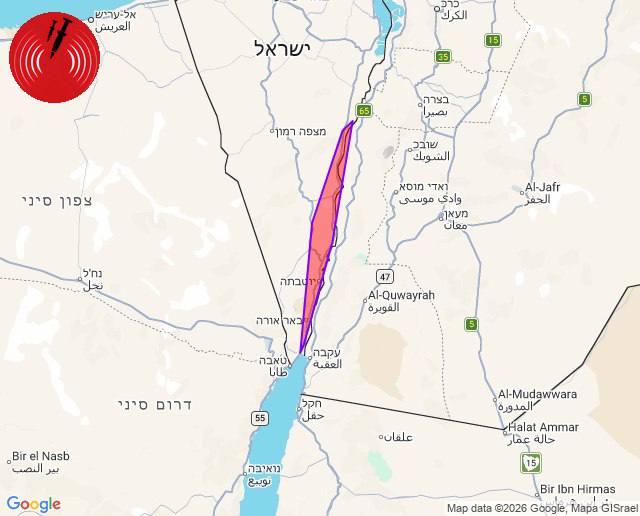
06:34:56 – Iranian missiles toward southern Israel (idkunim_il, source) – Multiple missiles were launched, prompting red alerts in the southern Negev and Dead Sea regions.
06:17:40 – IRGC ballistic missiles aimed at northern Israel and the Golan Heights (GeoPWatch, source) – The Islamic Revolutionary Guard Corps (IRGC) declared the launches, targeting strategic high‑ground locations.
04:30:58 – Hezbollah rockets toward Tel Aviv (GeoPWatch, source) – The Lebanese militia fired rockets that were tracked heading toward the capital region.
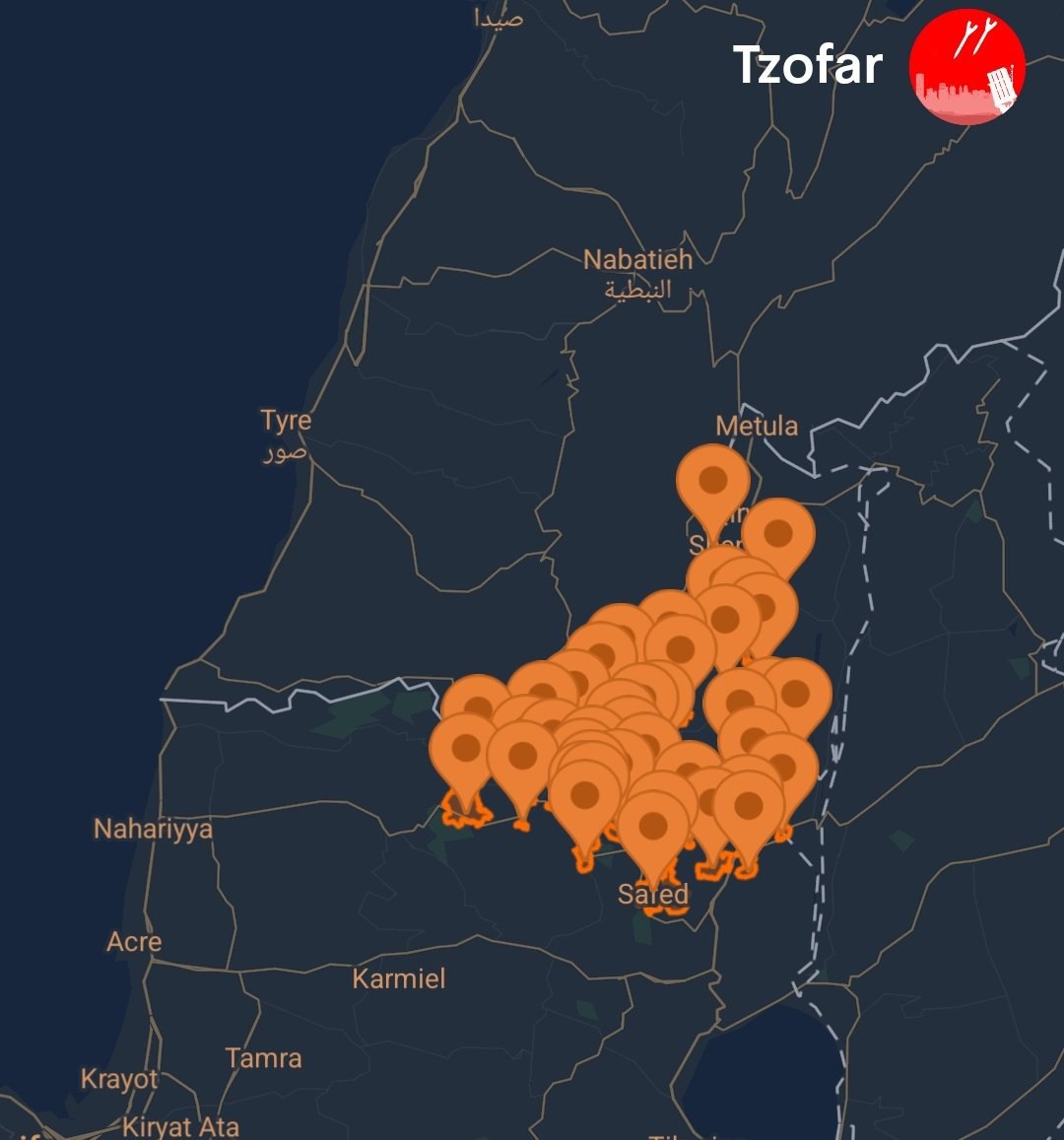
04:20:39 – Red alert for Southern Negev and Dead Sea area (idkunim_il, source) – A one‑and‑a‑half‑minute rocket warning was issued for multiple towns, including Dimona and Yeruham.
03:41:30 – Interception of IRGC ballistic missile above Jerusalem (GeoPWatch, source) – Israel’s missile defense successfully neutralized a missile over the capital, preventing potential casualties.
01:18:45 – Iranian Revolutionary Guard launches Ghadr and Kheibar Shekan missiles at Northern Command (monitor_the_situation, source) – The 51st wave of missiles targeted military infrastructure in northern Israel, with no confirmed damage.
Air Defense Interceptions
Israel’s multi‑layered air‑defense architecture, comprising Iron Dome, David’s Sling, and Arrow systems, engaged repeatedly throughout the day. Documented interceptions include:
- Two missiles intercepted over Ben Gurion International Airport, with a third missile remaining inbound (GeoPWatch, source).
- Multiple ballistic missiles intercepted above Jerusalem and Ramla, the latter generating debris‑induced fires (GeoPWatch, source).
- At least ten missiles intercepted over central Tel Aviv, though some fragments reached the ground, igniting a large fire (monitor_the_situation, source).
Despite a high interception rate, the sheer volume of inbound projectiles resulted in several impacts and secondary effects, such as fires and shrapnel injuries.
Impact on Civilian Infrastructure
Casualty figures remained relatively low given the scale of the attacks. Reported injuries were limited to minor shrapnel wounds and burns from fires ignited by missile fragments in Tel Aviv and Ramla. Property damage included:
- Burned and overturned vehicles in the Tel Aviv district caused by missile‑generated shrapnel (AlJazeera, source).
- Structural damage to the U.S. consular residence, though the building remained operational (JPost).
- Fire damage at a residential block in Tel Aviv following missile fragment impacts (rnintel, source).
Schools in Dimona were closed pre‑emptively after IRGC ballistic missiles were launched toward the area (GeoPWatch, source).
International and Regional Context
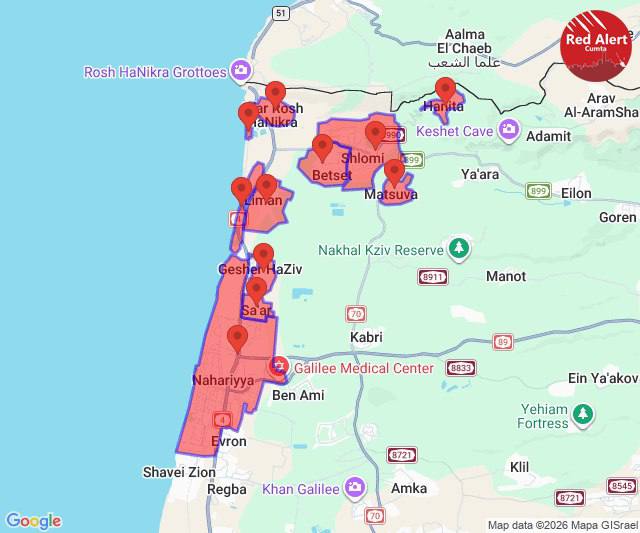
The attacks occurred against a backdrop of escalating tensions involving Iran, the United States, and regional non‑state actors. Iranian missile launches were framed as retaliation for recent Israeli strikes in Syria and perceived U.S. actions in the region. Hezbollah’s simultaneous rocket and drone operations against northern Israel reflected coordinated pressure from Lebanon.
U.S. officials monitored the situation closely, particularly after the missile fragment struck the American consular residence. No official statement was released within the reporting window, but the incident underscores the risk to foreign diplomatic assets.
"Red Alerts in Tel Aviv." – GeoPWatch, 15 March 2026
"Three missiles, two intercepted, third inbound to Ben Gurion Airport." – GeoPWatch, 15 March 2026
Overall, Israel’s air‑defense systems demonstrated resilience, yet the volume and diversity of threats—from ballistic missiles and rockets to drone swarms—highlighted vulnerabilities in the current defensive posture.