On March 14, 2026, a high‑intensity missile barrage launched from Iran targeted the southern Israeli city of Eilat, resulting in two civilian injuries and widespread infrastructural damage across multiple regions. The attack, detected at 23:14:17 UTC, marked the climax of a series of coordinated kinetic operations that unfolded throughout the day, involving ballistic missiles, rockets, cluster munitions, and hostile UAVs from Iranian forces, the Islamic Revolutionary Guard Corps (IRGC), and Hezbollah.
Iranian Missile Campaign: Timeline and Impact
The day began with a series of missile launches from Iran toward central and northern Israel. At 00:23:07, Iranian ballistic missiles were reported heading toward northern Israel (rnintel). By 00:45:25, two Koohestan‑system missiles were launched without early warning, targeting southern Israel (GeoPWatch). A second wave of ballistic missiles was detected at 14:30:39, followed by a third wave at 13:06:53, each aimed at different sectors of the country (rnintel; rnintel).
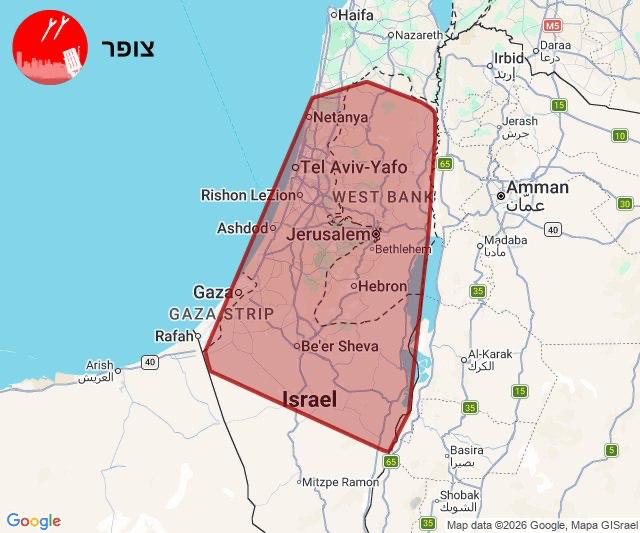
At 14:06:03, the JPost reported that Iran launched multiple missile volleys that struck Eilat, Jerusalem, the West Bank, and central Israel, injuring a teenager in Eilat (JPost). Subsequent reports confirmed a third wave of missiles impacting Eilat at 13:32:49, causing two additional injuries and raising questions about the involvement of cluster submunitions (rnintel).
"Teen injured in Eilat after Iran launches three volleys of missiles at Israel" – JPost, 2026-03-14 14:06:03
The final and most lethal strike occurred at 23:14:17 when a missile launched from Iran impacted Eilat, confirming the sustained nature of the campaign (idkunim_il). While casualty figures remained low relative to the scale of the attack, the repeated impacts underscored the vulnerability of civilian infrastructure to high‑speed ballistic projectiles.
Northern Front: IRGC Ballistic Missiles and Hezbollah Rocket Fire
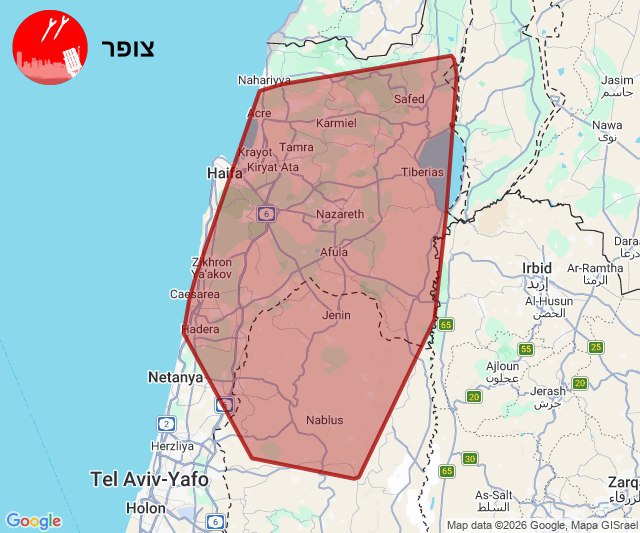
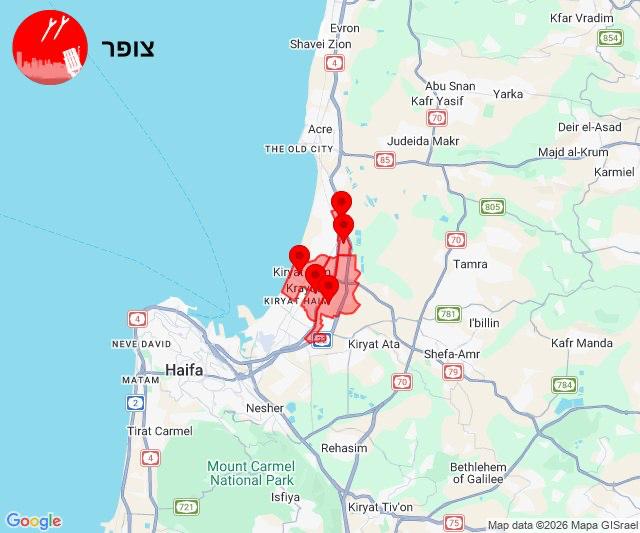
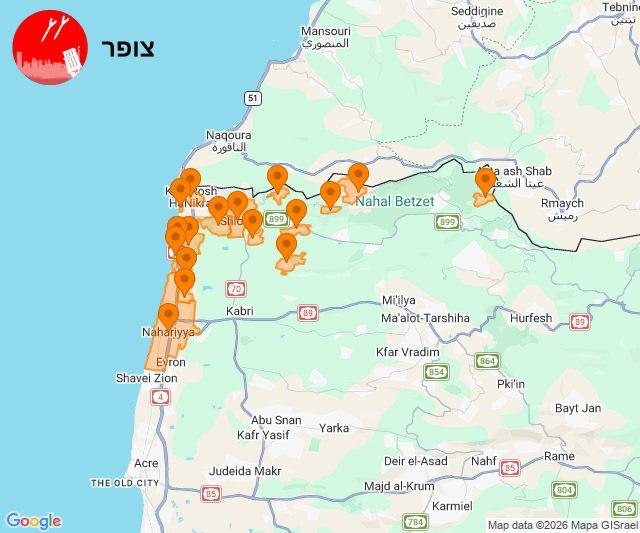
Parallel to the southern assaults, the IRGC dispatched ballistic missiles toward northern Israel at 17:08:50, as documented by GeoPWatch (GeoPWatch). The missiles prompted red alerts across the Galilee and Golan Heights. Simultaneously, Hezbollah intensified its rocket and MLRS activity along the Lebanon‑Israel border. At 06:51:19, Hezbollah fired rockets at IDF positions, and at 00:40:31, a coordinated MLRS salvo coincided with Iranian missile launches, producing a visible fire column over Haifa (GeoPWatch).
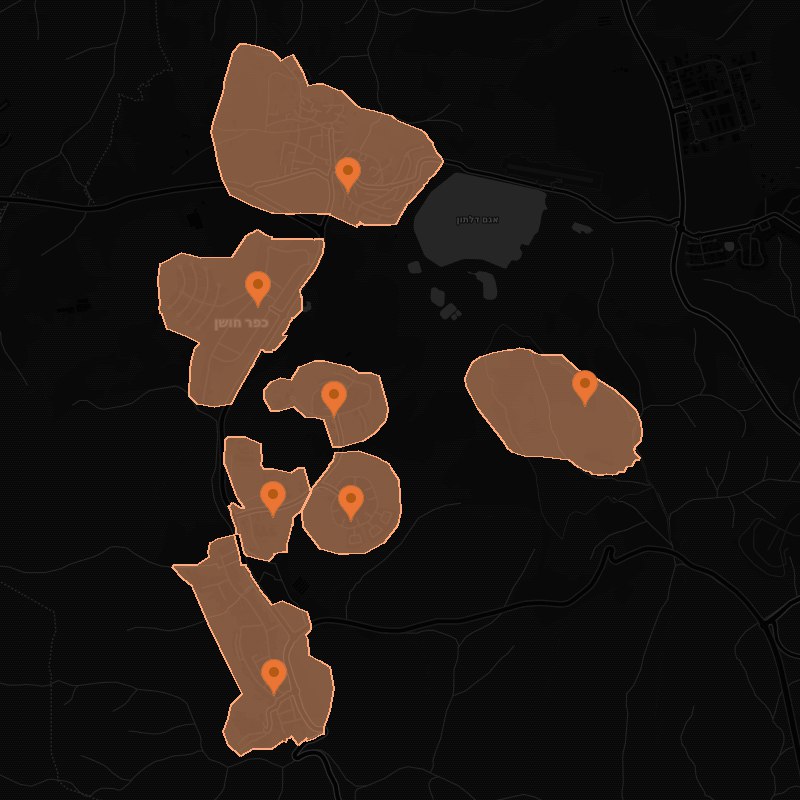
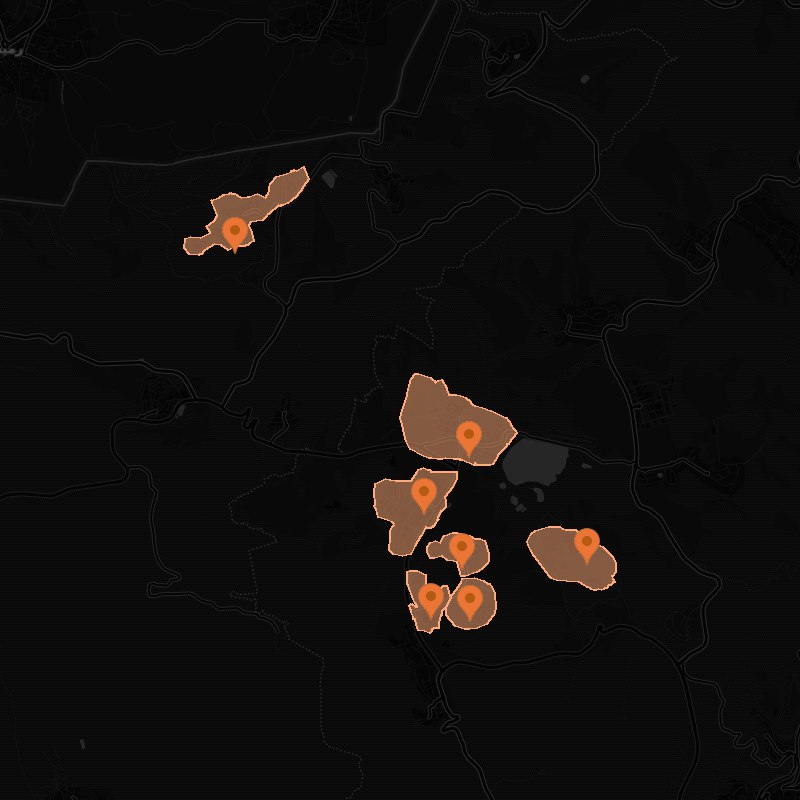
Hezbollah also deployed cluster missiles in Metula on 21:14:42, marking the second such attack within two weeks (rnintel). The use of cluster munitions raises concerns about unexploded ordnance and civilian risk in border communities.
Cluster Munition Deployments in Central Israel
Cluster submunitions were reported in Lod and Netanya at 15:38:25, with video evidence captured by intelslava (intelslava). Additional cluster impacts were documented near Tel Aviv at 14:44:26 (rnintel). These weapons disperse multiple bomblets over a wide area, increasing the likelihood of civilian casualties and complicating post‑strike clearance operations.
UAV Intrusions and Interceptions
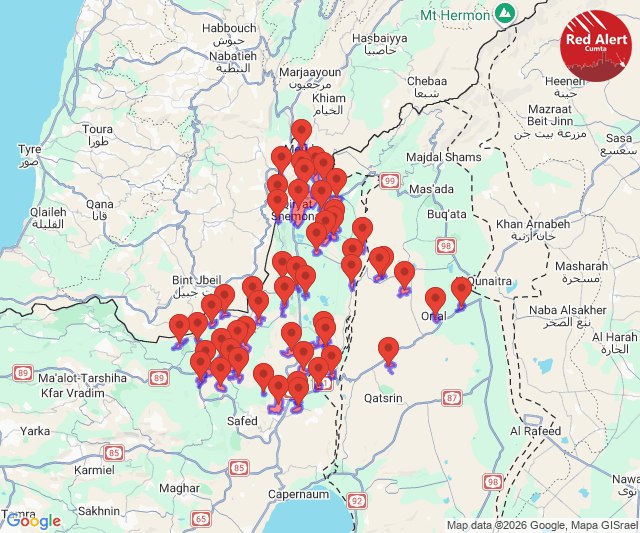
Hezbollah employed kamikaze UAVs over the Galilee region at 15:05:10, with video footage confirming the hostile drone (monitor_the_situation). Additional hostile UAV alerts were issued for Jish, Dovev, and broader northern Israel throughout the day, prompting red alerts and air defense activation (RocketAlert; BellumActaNews).
Israeli air defenses successfully intercepted missiles from the second and third waves over southern Israel, as reported at 13:16:36 (rnintel). Interception debris landed in populated areas, but no further casualties were recorded.
"Missile from the second wave was intercepted. Emergency crews are responding to interception debris landing from the second wave, all clear has been given." – rnintel, 2026-03-14 13:16:36
Casualties, Damage, and Civilian Response
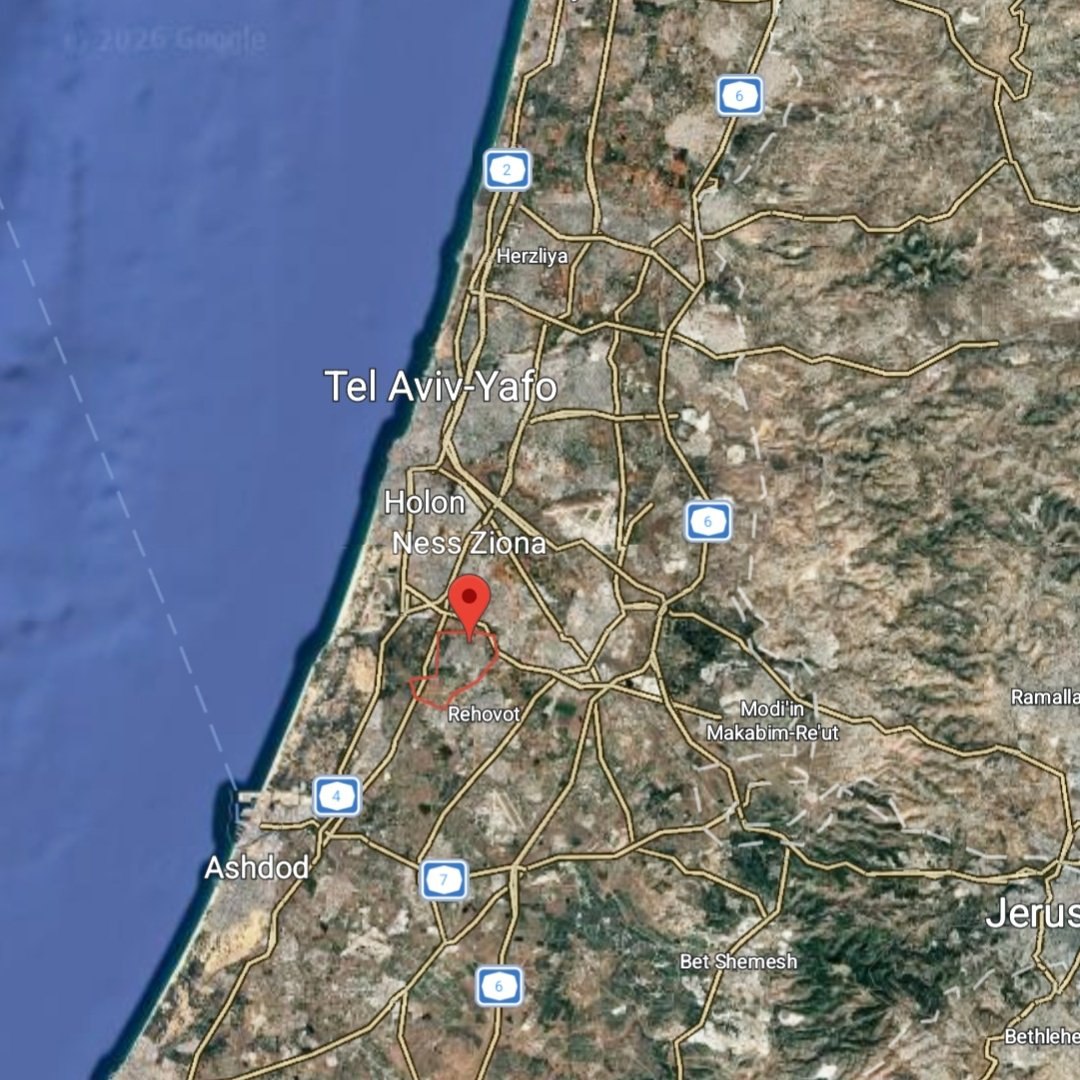
Overall casualty figures for the day remained limited: two injuries in Eilat (one teenager, one adult) and no fatalities reported in the available sources. However, extensive material damage was noted in Rishon LeZion, where a missile fell at 16:59:56, destroying property but causing no casualties (idkunim_il). In Be'er Yakov and Ness Ziona, ballistic missiles struck near Tel Nof Air Base, with damage assessments pending (monitor_the_situation).
Red alerts and siren activations were widespread, affecting Haifa, Upper Galilee, and the central corridor. Civil defense authorities coordinated evacuations and sheltering, while emergency crews cleared debris from intercepted missiles and unexploded submunitions.
Strategic Assessment
The coordinated nature of the attacks—spanning missile, rocket, cluster munition, and UAV platforms—demonstrates a high level of operational integration between Iranian forces and Hezbollah. The timing of multiple waves suggests an intent to saturate Israel’s air defense systems, testing the limits of the Iron Dome and Arrow batteries. While Israeli interception success limited fatalities, the repeated penetrations highlight potential gaps in early‑warning coverage, especially for low‑altitude UAVs and sub‑orbital projectiles.
Iran’s use of the Koohestan SSM system and the deployment of MRBMs such as "Kheybar Shekan" and "Qadr" (as claimed by the IRGC in a joint operation with Hezbollah) indicate an escalation in range and payload capabilities. The inclusion of one‑way UAVs adds a new dimension to the threat spectrum, complicating detection and response protocols.
Hezbollah’s continued reliance on rockets, MLRS, and cluster munitions along the northern frontier maintains pressure on the IDF and civilian border towns, reinforcing a multi‑theater approach that stretches Israeli defensive resources.
In sum, the March 14 kinetic events represent one of the most intense days of cross‑border hostilities in recent years, underscoring the need for enhanced integrated air and missile defense, rapid clearance of unexploded ordnance, and diplomatic channels to mitigate further escalation.