On 13 March 2026 a coordinated kinetic offensive unfolded across Iran, highlighted by the appearance of United States strategic bombers over Tehran and a cascade of airstrikes, missile launches and drone attacks targeting military and dual‑use infrastructure. The operations, reported by multiple open‑source channels including rnintel, BellumActaNews and monitor_the_situation, represent the most extensive aerial phase of the US‑Israel‑Iran war to date.
US strategic bomber overflight and Tehran explosions
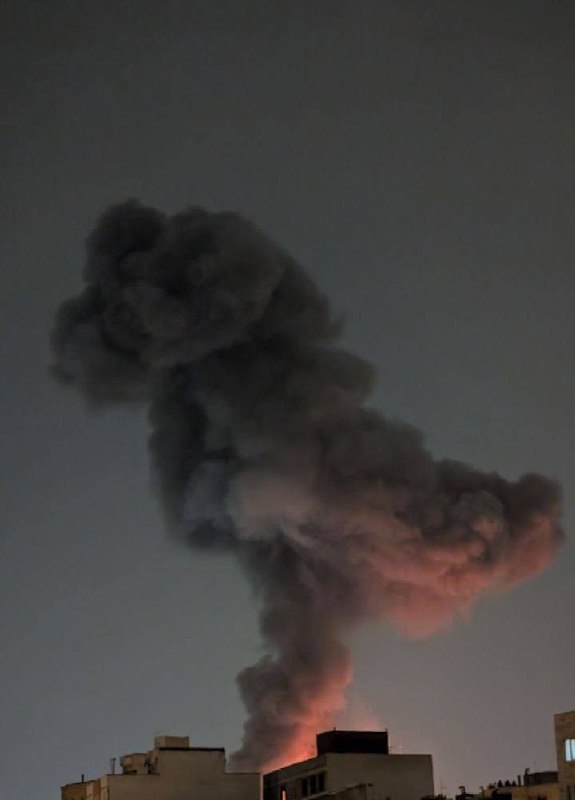
At 01:43:35 UTC, rnintel reported that US strategic bombers were detected over Iran, followed by “massive, unprecedented explosions” in the capital. The source described the event as a “BREAKING: US STRATEGIC BOMBERS REPORTED OVER IRAN. Massive, unprecedented explosions have been reported in Tehran, the capital of Iran.” No civilian casualties were confirmed, and Iranian state media did not immediately comment. The presence of long‑range bombers suggests a high‑value, deep‑strike posture, likely employing precision‑guided munitions against undisclosed targets.
US‑Israeli airstrikes across central and western Iran
Throughout the day, a series of joint US‑Israeli sorties struck multiple Iranian cities:
- Karaj (Alborz Province) – BellumActaNews documented a US‑Israeli raid that set Shiraz Airport ablaze and hit the Karaj area, with video evidence of burning infrastructure (source: BellumActaNews, 21:56:05).
- Qom – Multiple reports (BellumActaNews, 01:56:01; rnintel, 22:06:33) noted explosions and partial power outages after airstrikes on Basij checkpoints.
- Shiraz – The US Air Force and Navy conducted raids that ignited the airport, as shown in video footage (BellumActaNews, 21:56:05).
- Aleshtar, Lorestan Province – Bomb damage to the police headquarters was captured on video (BellumActaNews, 21:46:25).
- Kharg Island, Bushehr Province – President Trump, via rnintel, claimed a massive airstrike destroyed all military targets while sparing oil infrastructure (22:57:27).
- Iranian Space Research Institute, Tehran – Two separate bombings were reported (monitor_the_situation, 22:56:54; rnintel, 19:24:39), indicating a focus on scientific and dual‑use facilities.
- Dezful 4th Fighter Base, Khuzestan Province – US‑Israeli forces bombed the base, with video evidence (monitor_the_situation, 10:22:25).
- Garmdareh (between Karaj and Tehran) – Repeated strikes were logged by both monitor_the_situation (08:21:44) and rnintel (08:45:58), targeting missile launchers and aircraft hangars.
Casualty figures for these strikes remain unverified; Iranian officials have not released death tolls, and open‑source analysis indicates no confirmed civilian fatalities.
Targeted strikes on strategic facilities
Specific installations faced kinetic attacks:
- Bandar Ganaveh port (Bushehr Province) – BellumActaNews reported heavy US attacks on the port (23:02:25).
- Nobonyad area, north‑central Tehran – US‑Israeli forces struck the area across the Pasdaran Highway (20:40:46).
- Iranian Space Research Institute – Bombings on 22:56:54 and 19:24:39 suggest a sustained effort to degrade Iran’s satellite and missile development capabilities.
- Basij checkpoints in Qom and Tehran – Multiple airstrikes (16:01:49, 08:44:12) targeted paramilitary forces, indicating an intent to disrupt internal security networks.
Missile and drone launches from Iran
Iran responded with its own kinetic actions:
- Manama, Bahrain – rnintel recorded a missile and drone barrage launched from Iran at 22:22:06.
- Al‑Kharj, Saudi Arabia – JPost reported an Iranian ballistic missile intercepted by Saudi defenses (19:42:55).
- Erbil, Iraqi Kurdistan – An Iranian drone struck US positions (22:44:45), highlighting cross‑border escalation.
- Kharg Island – Iran’s own missile and drone activity was noted in the same timeframe as US strikes, suggesting a contested battle for the strategic oil hub.
Ground movements and defensive responses
Iranian forces activated air defenses in multiple locations. Notable incidents include:
- Air defense activity reported in northern Tehran (01:49:01, BellumActaNews).
- Iranian military downed eight UAVs, including two US MQ‑9 Reapers, over Tabriz and Bandar Abbas (19:12:57, GeoPWatch).
- Iranian resistance claimed to have shot down a US KC‑135 over Baghdad, though this claim remains unverified (02:16:53, monitor_the_situation).
Analysis of kinetic activity
The pattern of attacks demonstrates a multi‑layered approach by US and Israeli forces: high‑altitude strategic bomber overflights to signal escalation, followed by precision strikes on command‑and‑control nodes, scientific facilities and logistics hubs. The choice of targets—space research, missile launch sites and oil infrastructure—reflects an effort to degrade Iran’s long‑range strike capability and its ability to sustain a prolonged conflict.
Iran’s reciprocal missile and drone launches, particularly against Bahrain and Saudi Arabia, indicate a willingness to project power beyond its borders and to threaten regional allies of the United States. The interception of Iranian missiles by Saudi and NATO defenses underscores the heightened risk of broader regional involvement.
While casualty reports from the Iranian theater remain limited, the concentration of kinetic events in a single day raises the probability of collateral damage and civilian impact, especially in densely populated urban areas such as Tehran and Karaj. Continued monitoring of open‑source channels will be essential to verify any emerging casualty figures and to assess the durability of Iran’s defensive posture.