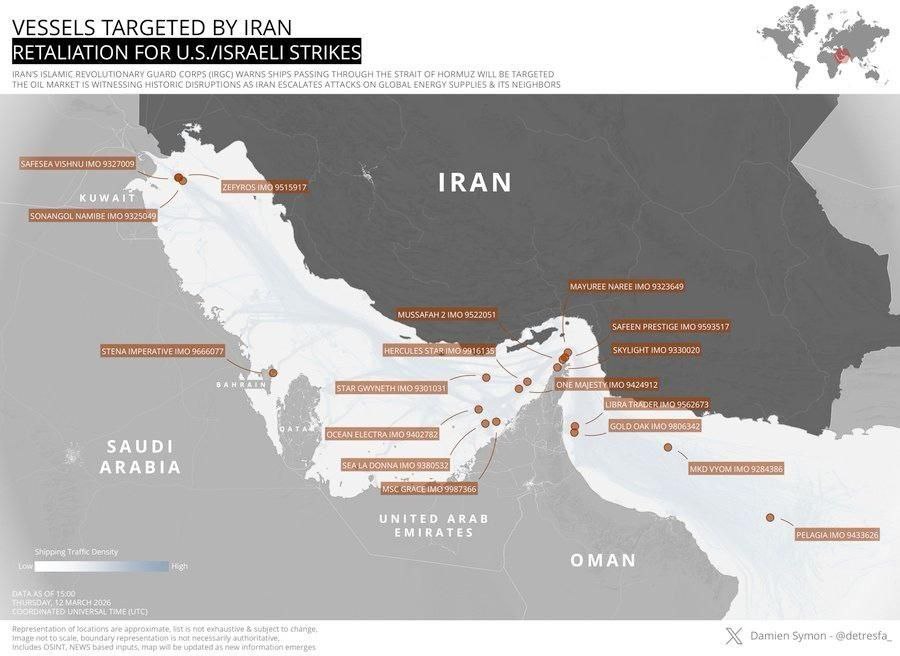
On March 13, 2026, the Middle East witnessed an unprecedented wave of kinetic operations that spanned airstrikes, ballistic missile launches, and unmanned aerial system (UAS) attacks across multiple fronts. The most consequential event was the launch of United States Air Force B‑2 stealth bombers under Operation Epic Fury, targeting undisclosed sites within the Islamic Republic of Iran. The operation, announced by U.S. Central Command (CENTCOM), marked a decisive escalation in the U.S. strategic response to Iranian provocations.
🟠 **CENTCOM B‑2 Bombers Launch Operation Epic Fury vs Iran** – https://t.me/monitor_the_situation/3993
The B‑2 sortie, executed at 22:24:24 UTC, was part of a broader campaign that also saw the deployment of U.S. B‑52H bombers from RAF Fairford, England, and the reported use of ATACMS tactical ballistic missiles by the U.S. Joint Chiefs of Staff. These coordinated strikes underscore a multi‑domain approach aimed at degrading Iran’s missile infrastructure, command‑and‑control nodes, and proxy support networks.
Iranian Counter‑Measures and Regional Drone Activity
In direct retaliation, Iran unleashed a series of hostile unmanned aerial vehicles (UAVs) targeting Israel, Gulf states, and U.S. installations across the region. The drone barrage, reported by the Telegram channel monitor_the_situation at 22:24:25 UTC, emphasized Tehran’s intent to project power beyond its borders. While casualty figures remain unverified, the deployment of armed UAVs signals a widening of the conflict’s geographic scope.
Iran launched drones targeting Israel, Gulf neighbors, and US bases and infrastructure in the region – https://t.me/monitor_the_situation/3994
Simultaneously, the Iranian Revolutionary Guard Corps (IRGC) Aerospace Force announced the launch of 30 super‑heavy ballistic missiles, described as the most powerful bombardment of Israeli territory since the war’s inception. The missile salvo, detailed by intelslava at 19:52:46 UTC, reflects Iran’s capacity to field long‑range, high‑payload weapons capable of striking deep into Israeli airspace.
Iran’s IRGC Aerospace Force says it launched 30 super‑heavy ballistic missiles – https://t.me/intelslava/84685
U.S. and Allied Air Operations
Beyond the B‑2 and B‑52 missions, the United States intensified its aerial presence with additional bomber deployments. Three B‑1 bombers arrived at RAF Fairford, raising the total to twelve B‑1s and six B‑52s stationed in the United Kingdom, as reported by intelslava at 17:38:37 UTC. This buildup supports the prospect of sustained high‑intensity operations against Iranian targets.
Three additional US B‑1 bombers arrived at RAF Fairford – https://t.me/intelslava/84680
U.S. naval forces also engaged Iranian assets. At 00:21:11 UTC, the U.S. Navy reported striking an Iranian vessel that approached the USS Abraham Lincoln in the Persian Gulf, though the ship’s status remained unknown.
US Navy strikes Iranian ship after it sailed near USS Abraham Lincoln – https://www.jpost.com/middle-east/iran-news/article-889840
Israeli Counter‑Strikes and Ground Posturing
Israel’s military response was equally vigorous. The Israel Defense Forces (IDF) claimed to have executed 7,600 airstrikes in 380 waves over Iran, expending approximately 10,000 bombs and inflicting 4,000–5,000 Iranian personnel casualties, according to GeoPWatch at 15:16:08 UTC. The IDF’s campaign, framed under the operation “Roar of the Lion,” underscores Israel’s commitment to neutralize Iranian influence and missile capabilities.
The IDF reports conducting 7,600 airstrikes … killing 4,000‑5,000 Iranian personnel – https://t.me/GeoPWatch/29040
In parallel, Israel destroyed a strategic bridge in Lebanon, warning of “Gaza‑scale devastation” if hostilities continued. The bridge demolition, reported by Al Jazeera at 17:54:21 UTC, contributed to a death toll of 773 in Lebanon since early March, highlighting the conflict’s spillover into neighboring states.
Israel destroys bridge in Lebanon and threatens Gaza‑scale devastation – https://www.aljazeera.com/news/2026/3/13/israel-destroys-bridge-in-lebanon-and-threatens-gaza-scale-devastation?traffic_source=rss
Ballistic Missile Interceptions and Regional Defense Responses
Multiple missile interceptions were recorded across the theater. Iranian ballistic missiles were intercepted over Israel (00:05:30 UTC) and over an undisclosed location (21:20:30 UTC) as reported by rnintel. Turkey, acting under NATO’s Integrated Air Defense System, claimed to have intercepted three Iranian missiles, reflecting the broader alliance’s involvement in counter‑missile operations.
An Iranian ballistic missile was intercepted over Israel – https://t.me/rnintel/56219
Turkey reports NATO defenses intercepted a third Iranian missile – https://www.aljazeera.com/news/2026/3/13/turkiye-says-nato-defences-intercepted-third-missile-from-iran?traffic_source=rss
Saudi Arabia’s Ministry of Defense announced the downing of 64 drones and two ballistic missiles within a 24‑hour period, underscoring the Kingdom’s active air defense posture against Iranian‑linked threats.
Saudi Ministry of Defense reports shooting down 64 drones and 2 ballistic missiles – https://t.me/GeoPWatch/29019
Collateral Impacts and Civilian Alerts
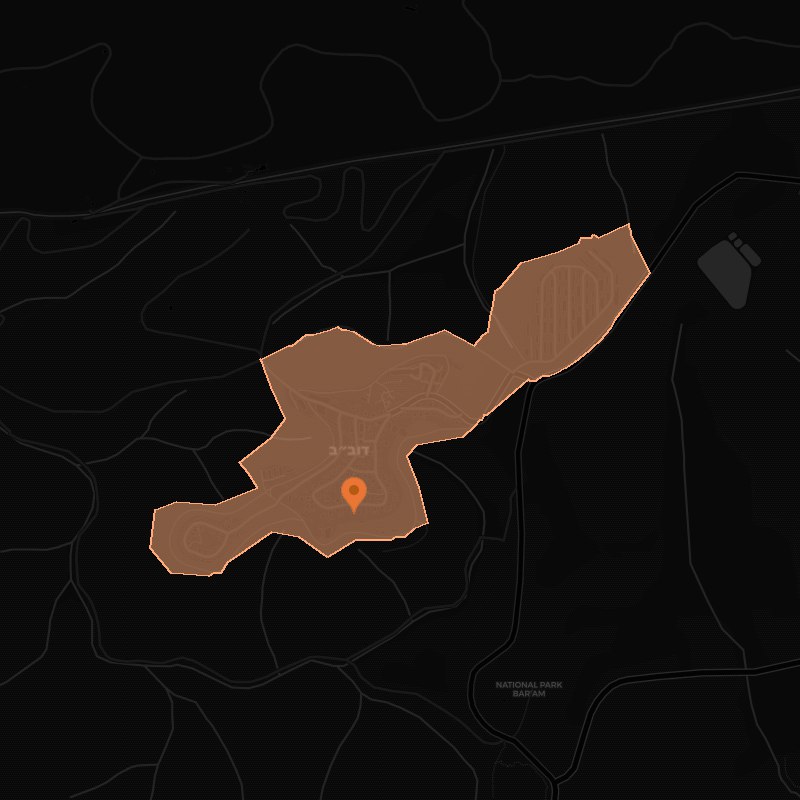
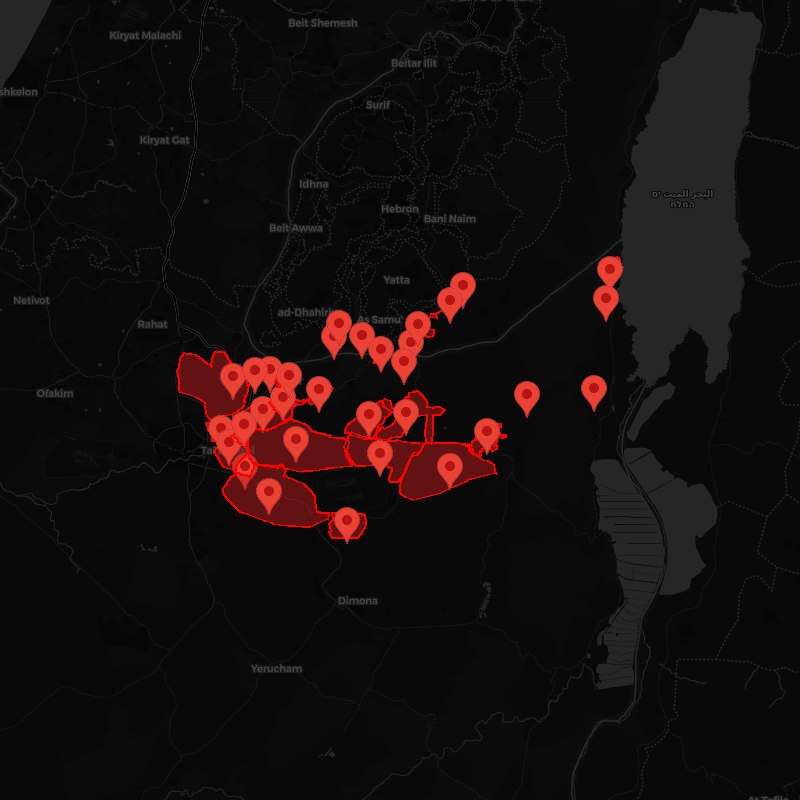
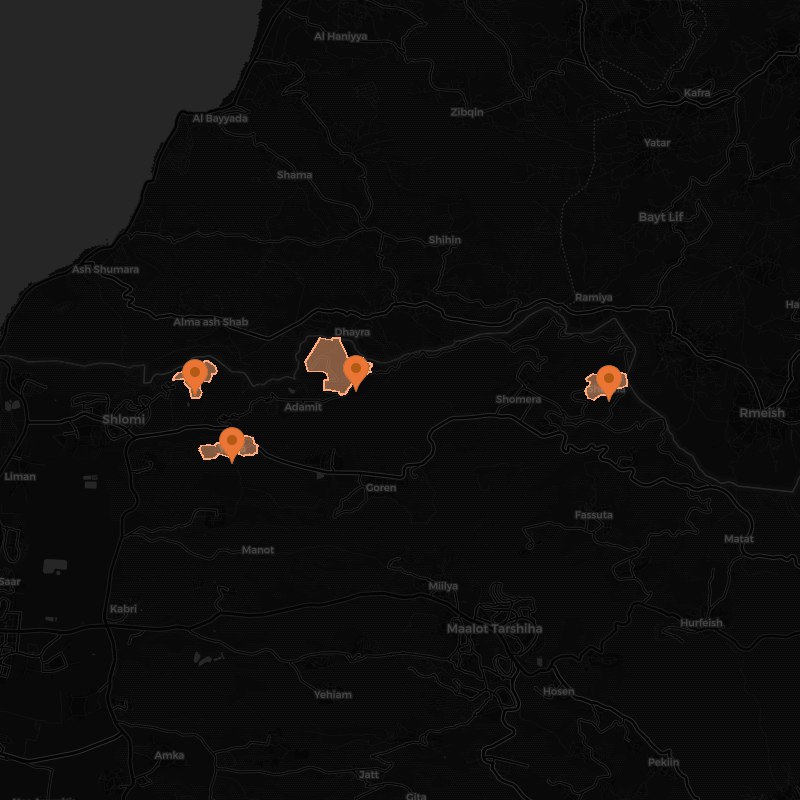
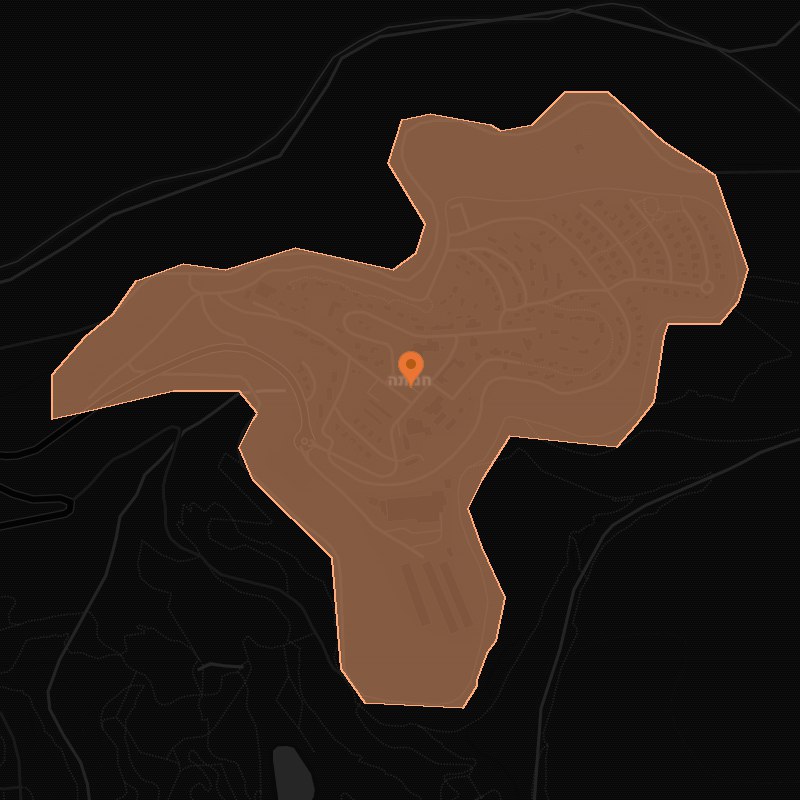
Rocket and missile alerts proliferated across Israel, with dozens of notifications issued by the RocketAlert network throughout the day. Areas ranging from Jerusalem’s Givon HaHadasha to the Negev’s Ar’ara BaNegev experienced alerts, though no casualties were confirmed in the provided data. The sheer volume of alerts illustrates the pervasive threat environment faced by civilian populations.
Rocket/Missile alert 2026-03-13 23:22:58 – Jerusalem, Givon HaHadasha, etc. – https://t.me/RocketAlert/21724
In Sudan, a separate drone strike on a market resulted in 11 civilian deaths, contributing to a cumulative civilian death toll exceeding 200 in recent days, as reported by Al Jazeera at 20:50:49 UTC.
Drone attack on market in Sudan kills 11 – https://www.aljazeera.com/news/2026/3/13/drone-attack-on-market-in-sudan-kills-11-as-air-war-civilian-toll-mounts?traffic_source=rss
Strategic Implications
The coordinated kinetic actions on March 13 reflect a multi‑layered escalation involving state and non‑state actors. The United States and Israel have demonstrated a willingness to employ strategic bombers, tactical ballistic missiles, and extensive air campaigns to degrade Iranian capabilities. Iran, in turn, has leveraged long‑range ballistic missiles, UAV swarms, and proxy engagements to project power and retaliate against perceived aggression.
Allied defense systems, notably those of Turkey, Saudi Arabia, and NATO, have proven effective in intercepting a portion of the missile threat, yet the high frequency of launches suggests a sustained pressure on regional air defenses. The civilian impact, highlighted by rocket alerts across Israeli municipalities and the market attack in Sudan, underscores the conflict’s widening humanitarian dimension.