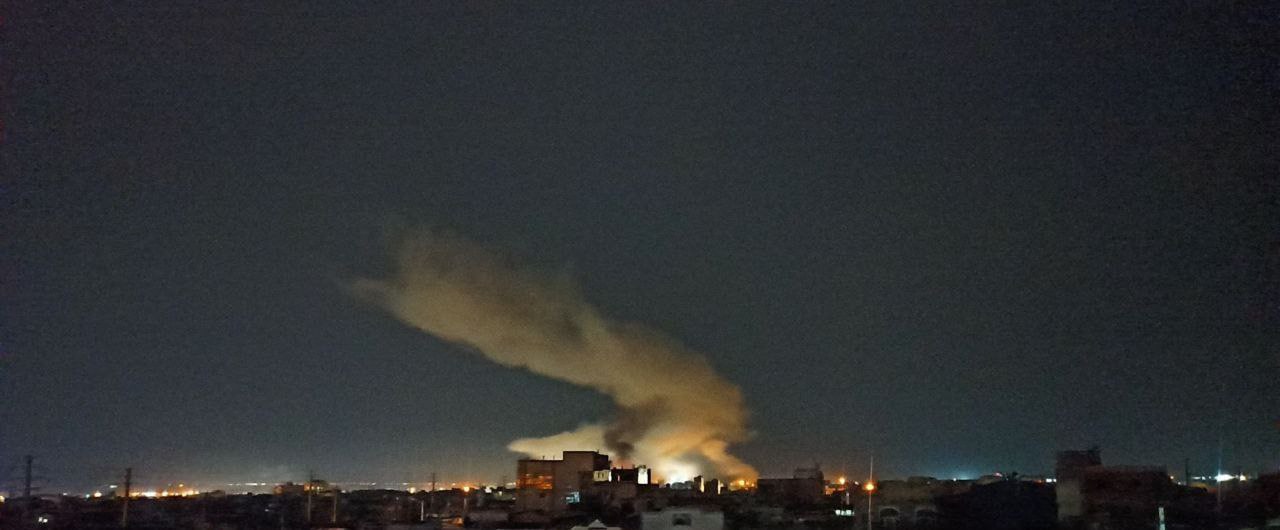
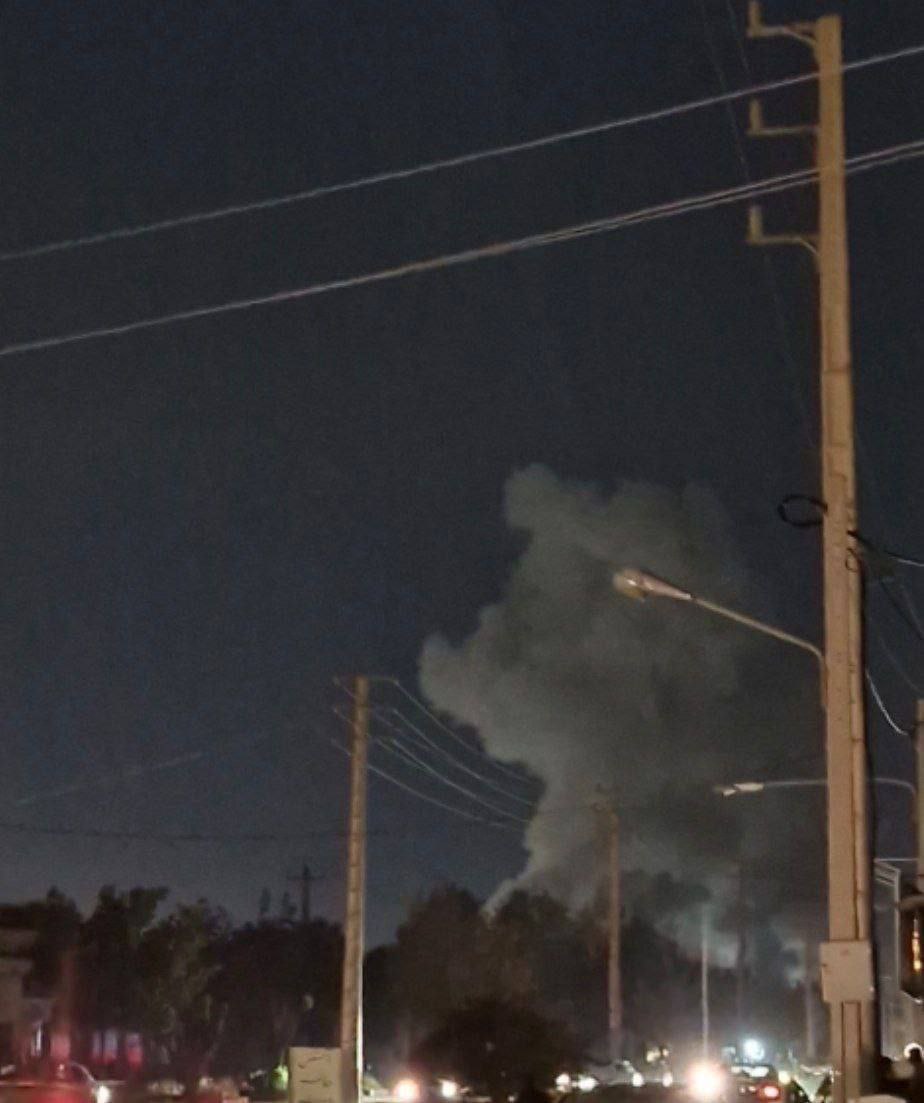
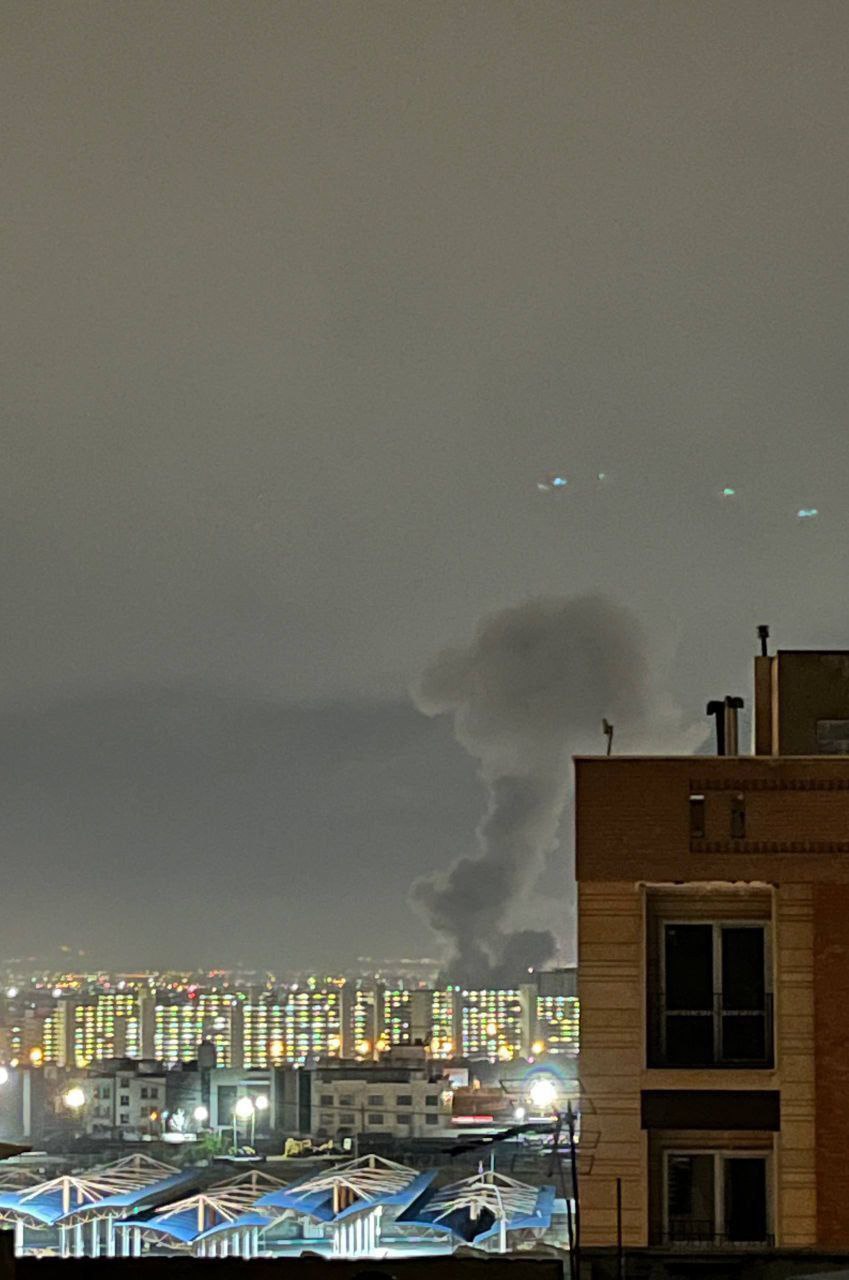
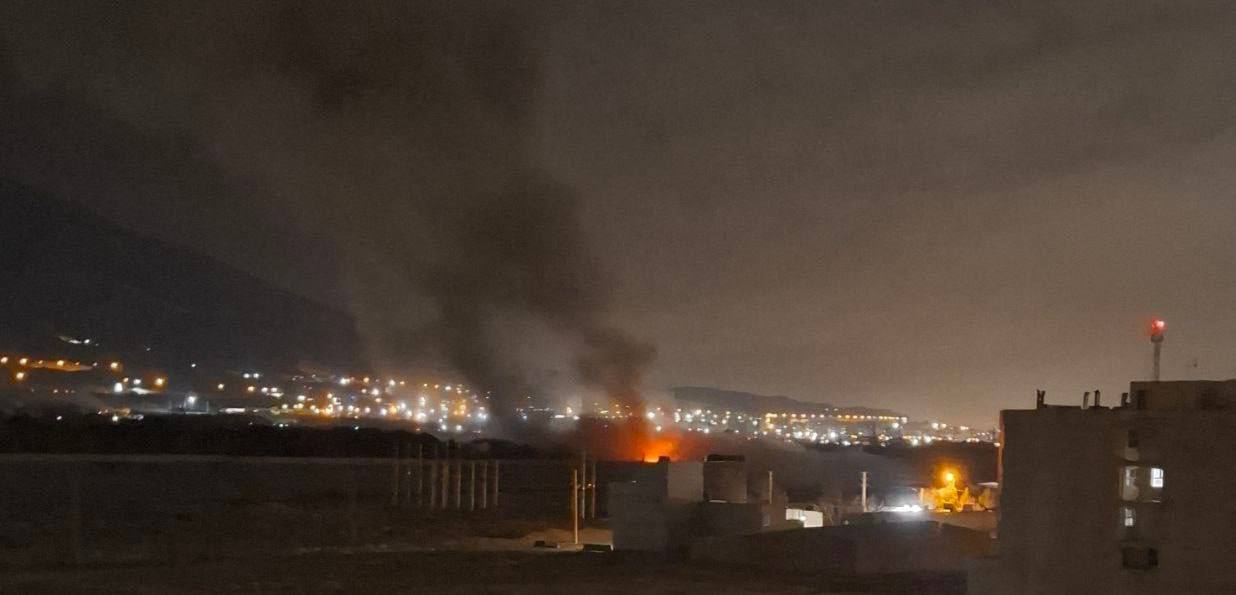
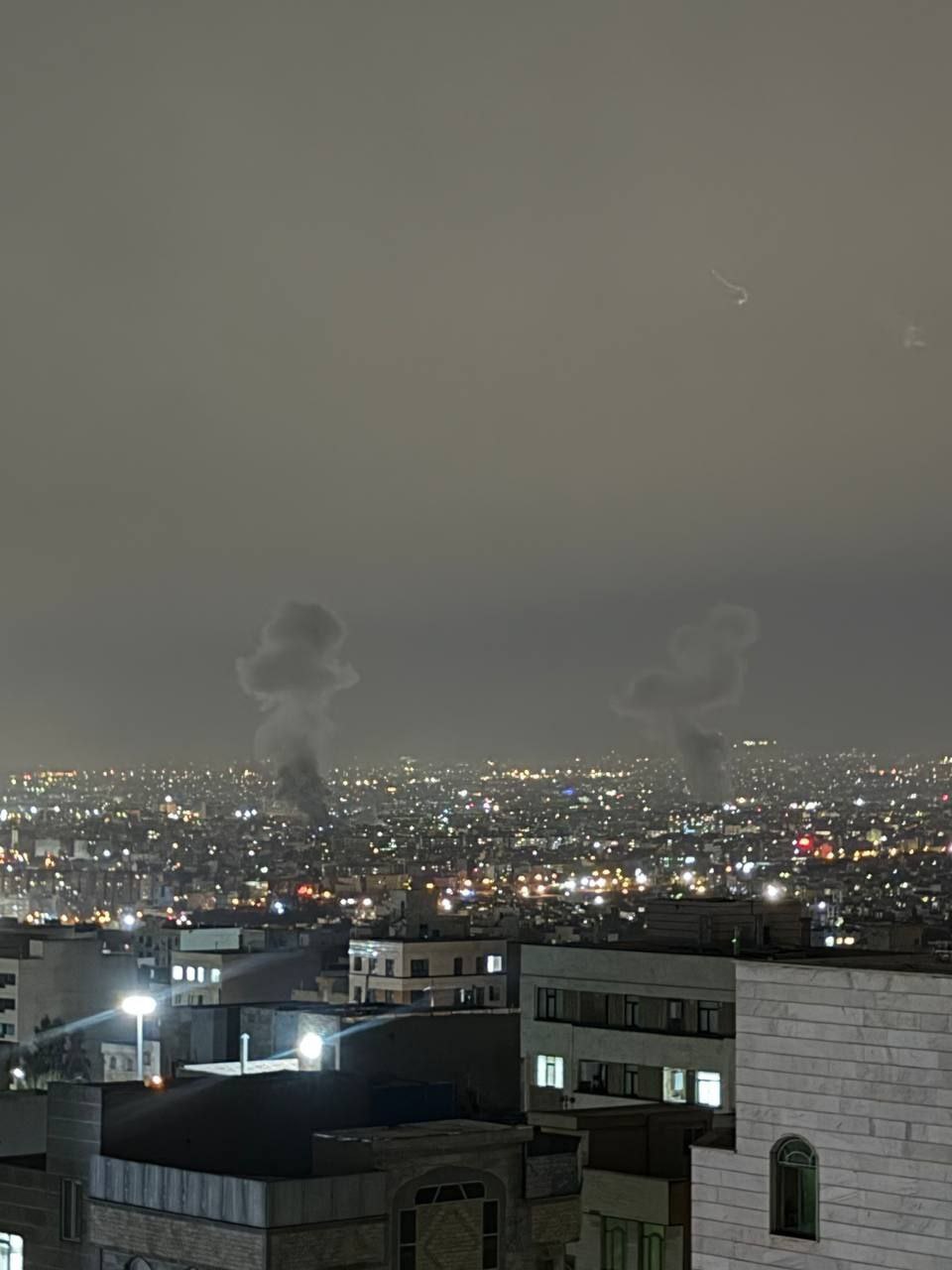
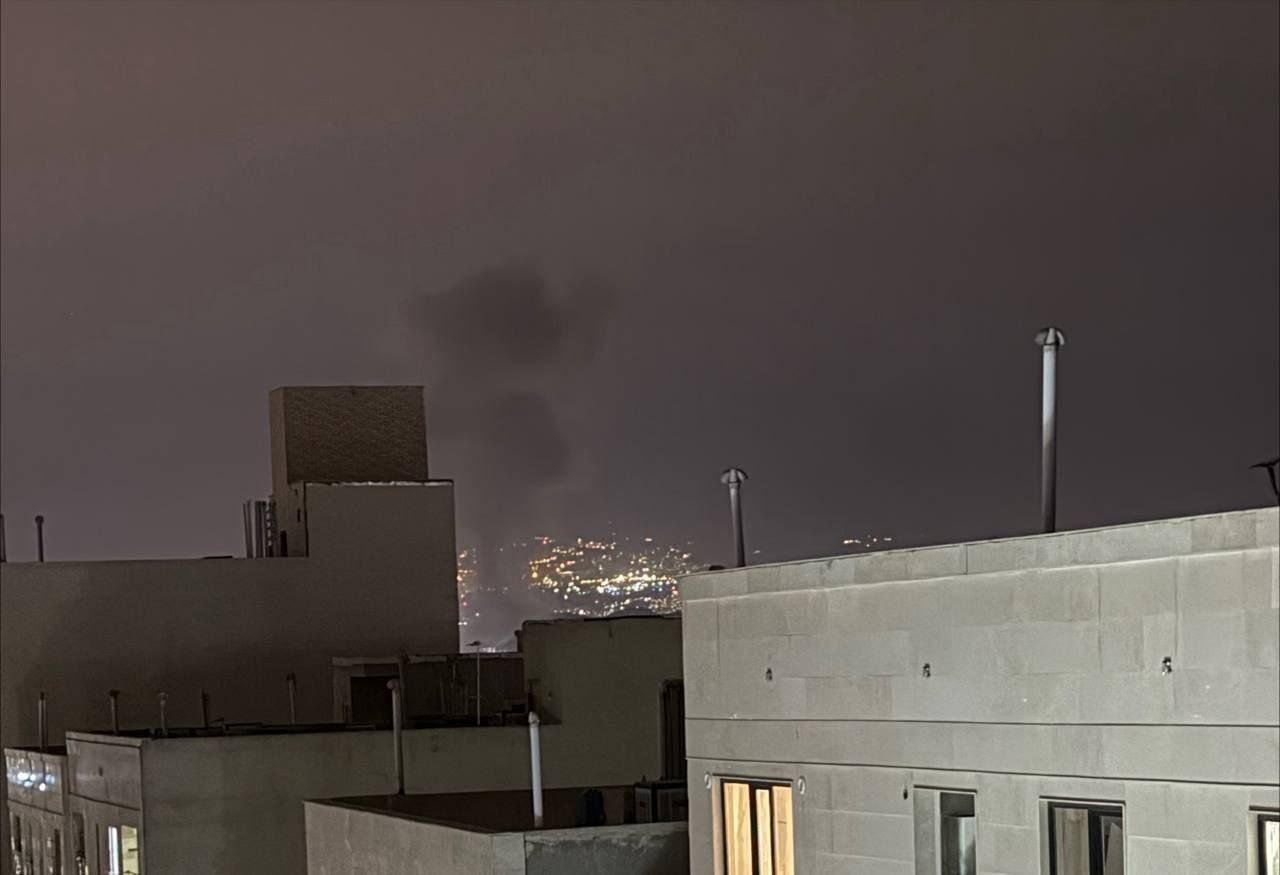
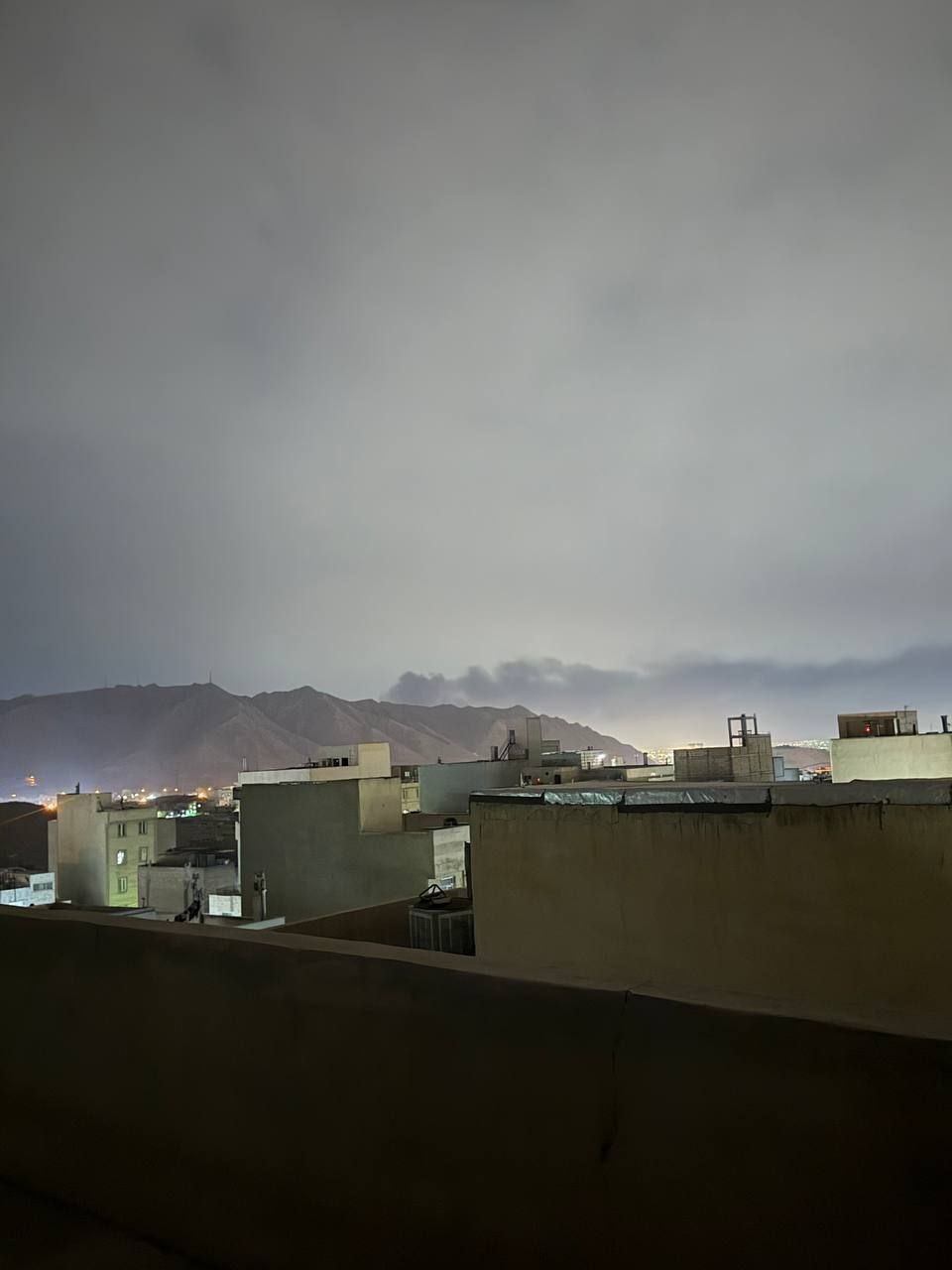
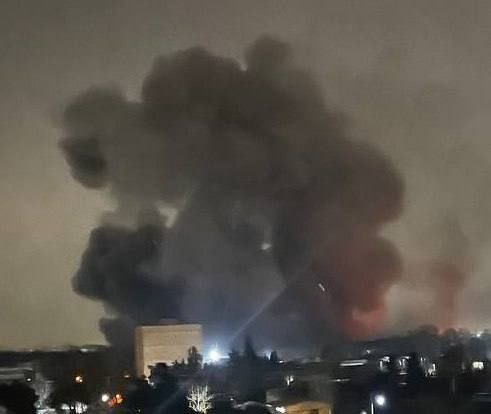
On March 12, 2026, Israeli forces announced a series of strikes that killed or targeted additional Iranian nuclear scientists in Tehran, marking the most significant kinetic event of the day. The announcement, relayed by the Telegram channel monitor_the_situation, stated that Prime Minister Benjamin Netanyahu confirmed the operation, which aimed at further degrading Iran’s nuclear program. No casualty figures were released, but the targeting of senior scientific personnel underscores a strategic escalation in the covert war over Iran’s nuclear capabilities.
"Israel Strikes More Iranian Nuclear Scientists" – monitor_the_situation, 21:06 UTC, source
Targeted Assassinations and High‑Profile Injuries
Earlier in the evening, a separate claim emerged that Iran’s Supreme Leader Ayatollah Ali Khamenei had been injured during the ongoing US‑Israel conflict. The report, also from monitor_the_situation, cited unnamed Western intelligence sources but provided no verification or casualty details.
"Western Officials: Iran's Khamenei Injured in US-Israel War" – monitor_the_situation, 20:32 UTC, source
In addition, the deputy intelligence minister Akbar Ghaffari was reported killed in a joint US‑Israeli strike on Tehran, according to the same channel. His funeral was later held in Tabriz.
"Iran Deputy Intel Minister Killed in US-Israel Strikes Tehran" – monitor_the_situation, 10:03 UTC, source
Airstrike Campaign Across Tehran and Surrounding Provinces
From early morning until late night, a relentless series of airstrikes hit dozens of locations across Tehran and its satellite cities. The Israeli Defense Forces (IDF) and Israeli intelligence coordinated attacks on Basij militia checkpoints, roadblocks, and government infrastructure, often using intelligence supplied by Iranian civilians on Persian‑language social media platforms. BellumActaNews reported that ordinary Iranians provided tips that were vetted by Israeli intelligence before being used to target Basij positions.
"Israeli intelligence used tips from ordinary Iranians shared on Persian‑language social media to conduct airstrikes on Basij checkpoints in Tehran" – BellumActaNews, 20:34 UTC, source
Key Tehran locations struck included District 22, Basim Park (District 15), Shahriar, Moniriyeh Square, Lavizan district, Eslamshahr, and the strategic Mehrabad International Airport. While most reports did not specify civilian casualties, the sheer density of strikes suggests a high risk of collateral damage. The IDF also deployed armed drones against Basij members, publishing footage of the operation.
"The IDF conducted drone strikes on Basij members and checkpoints in Tehran" – GeoPWatch, 19:02 UTC, source
Outside the capital, Israeli and U.S. forces hit several provincial targets: three airstrikes on Arak (Markazi Province), attacks on Borazjan (Bushehr Province), and a series of strikes on the industrial town of Shokohieh in Qom Province. In western Iran, the Israeli Air Force claimed to have destroyed over 250 unmanned aerial vehicle launchers and related sites, killing multiple commanders and soldiers.
"IAF Strikes 250+ Iranian Drones Launchers in Western Iran" – monitor_the_situation, 12:55 UTC, source
Joint U.S.–Israeli Operations and Strategic Assets
The United States participated in multiple strikes, often in coordination with Israeli forces. Notable joint actions included:
- Airstrikes on the Parchin Taleghan‑2 nuclear complex, employing bunker‑busting bombs that created three large craters.
"Israel's IDF says it struck Iran's Taleghan‑2 facility at the Parchin nuclear complex" – GeoPWatch, 12:14 UTC, source
- U.S. B‑2 bomber attacks on the same Parchin site, using GBU‑57 bunker‑buster munitions.
"US B‑2 bomber strikes Parchin Taleghan‑2 nuclear facility" – monitor_the_situation, 08:31 UTC, source
- Destruction of Iranian transport aircraft at Kerman Airport (C‑130H Hercules, P‑3F Orion, Il‑76) by CENTCOM, confirmed by video footage.
"CENTCOM Strikes Destroy Iranian C‑130H P‑3F at Kerman Airport" – monitor_the_situation, 01:05 UTC, source
- Airstrikes on the 7th Tactical Airbase near Shiraz and the Khatami (8th Tactical) Airbase in Isfahan, reportedly destroying two F‑14 and two F‑4 fighter jets.
"IAF-USAF struck Khatami airbase, destroying F‑14 and F‑4 jets" – GeoPWatch, 13:45 UTC, source
U.S. forces also targeted missile infrastructure in Ahvaz, Khormoj, and Mashhad, employing missiles and fighter aircraft. In Khormoj, joint strikes hit IRGC missile warehouses; in Mashhad, a missile struck a location behind Namaz Boulevard.
"Joint American‑Israeli airstrikes targeted IRGC missile warehouses in Khormoj" – BellumActaNews, 01:56 UTC, source
Naval and UAV Activity in the Persian Gulf and Strait of Hormuz
Iran escalated its maritime aggression, attacking commercial shipping in the Strait of Hormuz. Telegram channel intelslava reported 18 commercial vessels hit while attempting to transit the strait. Iran also deployed upgraded Ashura‑class fast attack boats equipped with Qadr missiles to patrol the waterway.
"Iran Deploys Upgraded Ashura Boats to Control Strait of Hormuz" – monitor_the_situation, 19:13 UTC, source
Conversely, Iranian forces shot down a U.S. F‑15 southwest of Tehran, as reported by intelslava. In the Gulf, Iran’s unmanned surface vessels (USVs) damaged a ship’s machinery space and struck multiple tankers overnight, indicating a growing capability to threaten commercial navigation.
"Iranian USV Blast Damages Ship Machinery in Persian Gulf" – monitor_the_situation, 05:10 UTC, source
Missile Launches and Counter‑Missile Activity
Iran responded to the air campaign by launching medium‑range Emad and Ghadr ballistic missiles from Tehran toward U.S. and Israeli positions, as captured on video by monitor_the_situation. The missiles traveled several hundred kilometers, but no impact reports were confirmed.
"Iran Launches Emad Ghadr Missiles at US Israeli Targets" – monitor_the_situation, 15:33 UTC, source
Iran’s air‑defence system Ghaem‑118 successfully intercepted a U.S. MQ‑9 Reaper or Hermes 900 UAV over Kerman Province, demonstrating continued defensive capability despite the extensive strike campaign.
"Iran shot down a MQ‑9 Reaper or Hermes 900 UAV with Ghaem‑118" – intelslava, 06:38 UTC, source
Assessment of the Day’s Kinetic Operations
The coordinated Israeli‑U.S. kinetic actions on March 12 represent the most intensive single‑day escalation since the conflict began. The focus on nuclear‑related personnel and facilities, combined with widespread strikes on Basij and IRGC assets, indicates a strategic intent to cripple Iran’s ability to sustain its nuclear and missile programs while simultaneously degrading internal security forces. The use of civilian‑sourced intelligence, drone surveillance, and joint air‑refuel operations highlights a high level of operational integration between Israeli and American forces.
While casualty figures remain largely unreported, the sheer volume of strikes across urban centers, industrial zones, and critical infrastructure raises the probability of civilian harm and further destabilizes the region’s security environment. The simultaneous maritime aggression by Iran and its defensive successes against U.S. UAVs suggest a reciprocal escalation that could broaden the conflict beyond Iranian airspace.