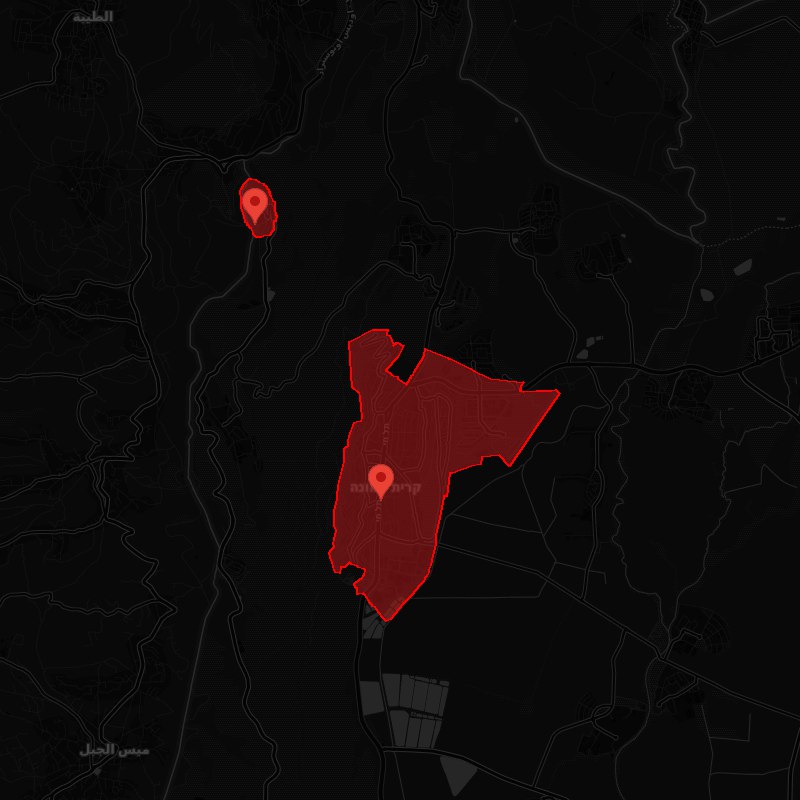
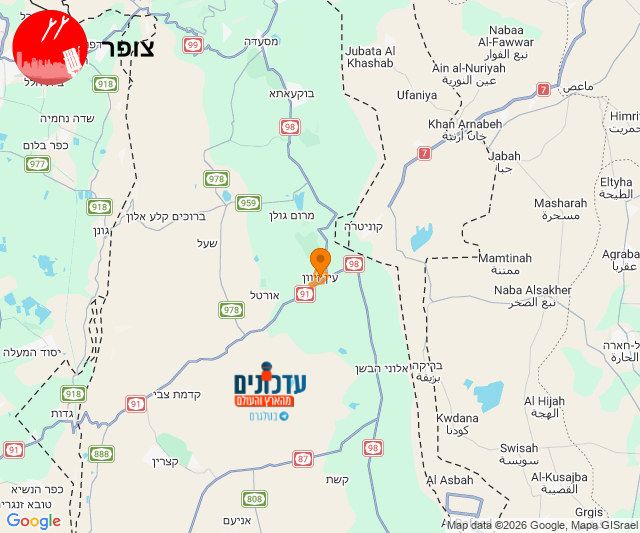
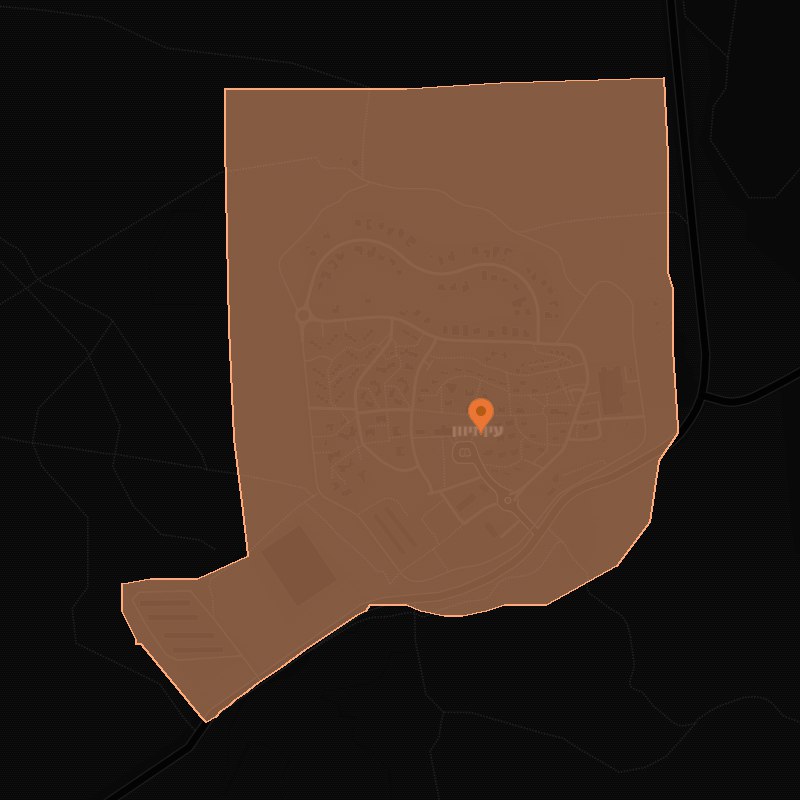
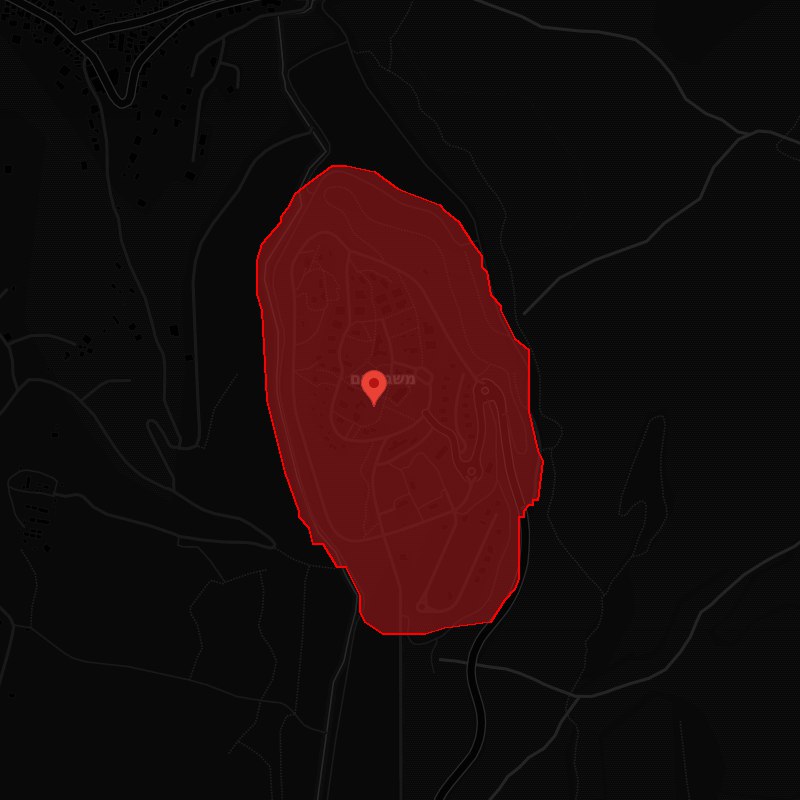
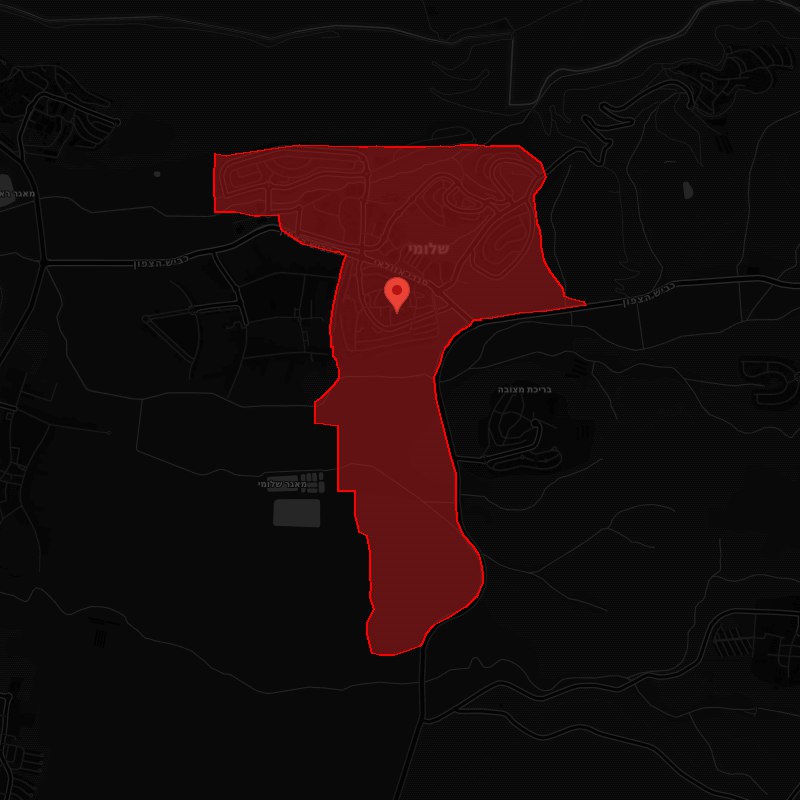
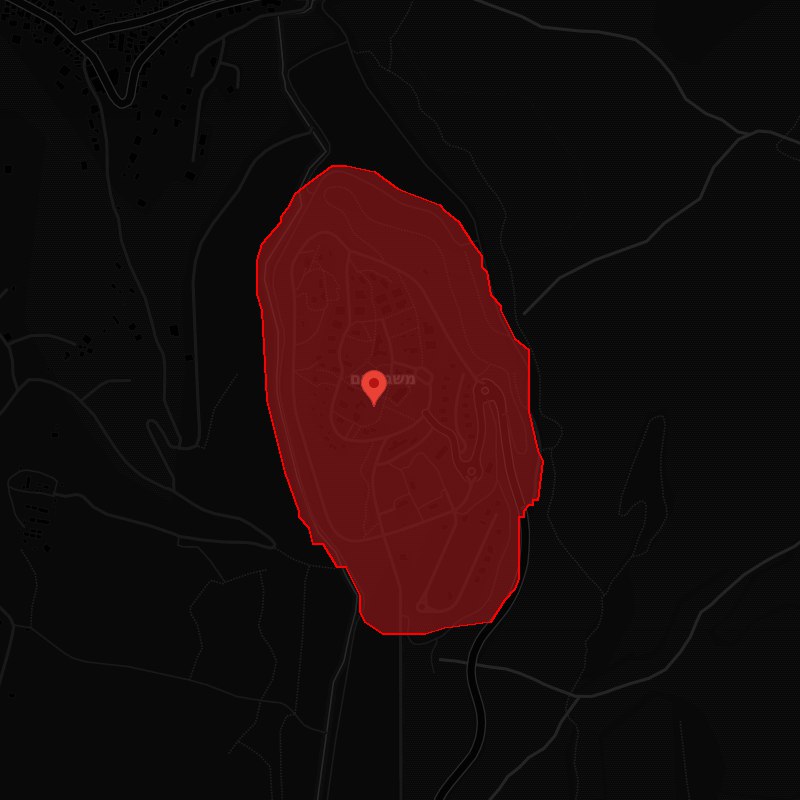
On the night of 12 March 2026, the Lebanese militant group Hezbollah fired an unprecedented barrage of approximately 200 rockets toward northern Israel, marking the largest single rocket attack of the war to date. The salvo, reported by monitor_the_situation, struck multiple communities along the Israel‑Lebanon border, prompting widespread sirens, civil‑defence alerts, and temporary evacuations.
Hezbollah’s 200‑Rocket Barrage
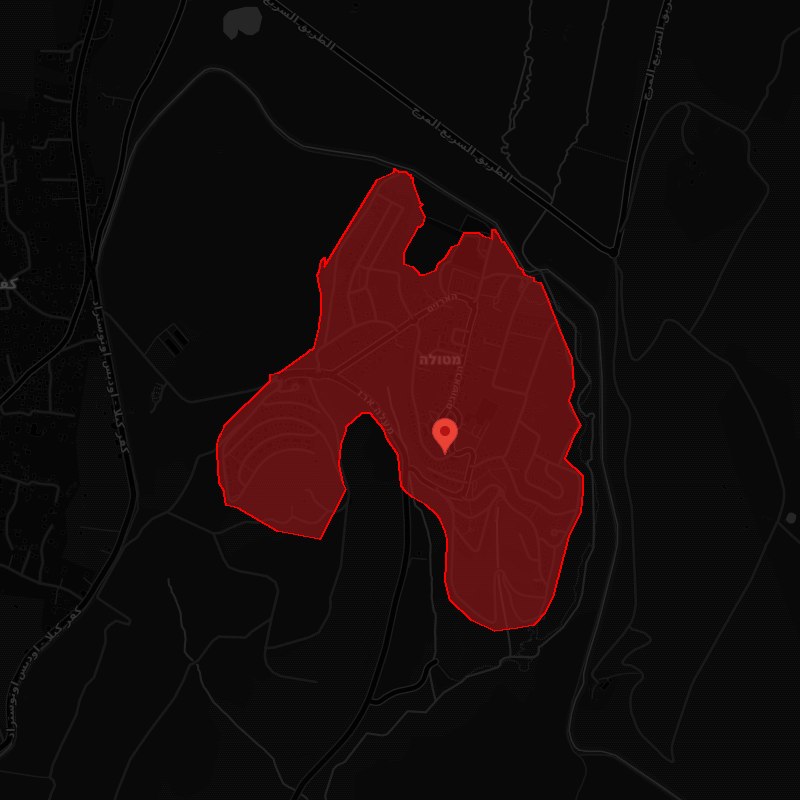
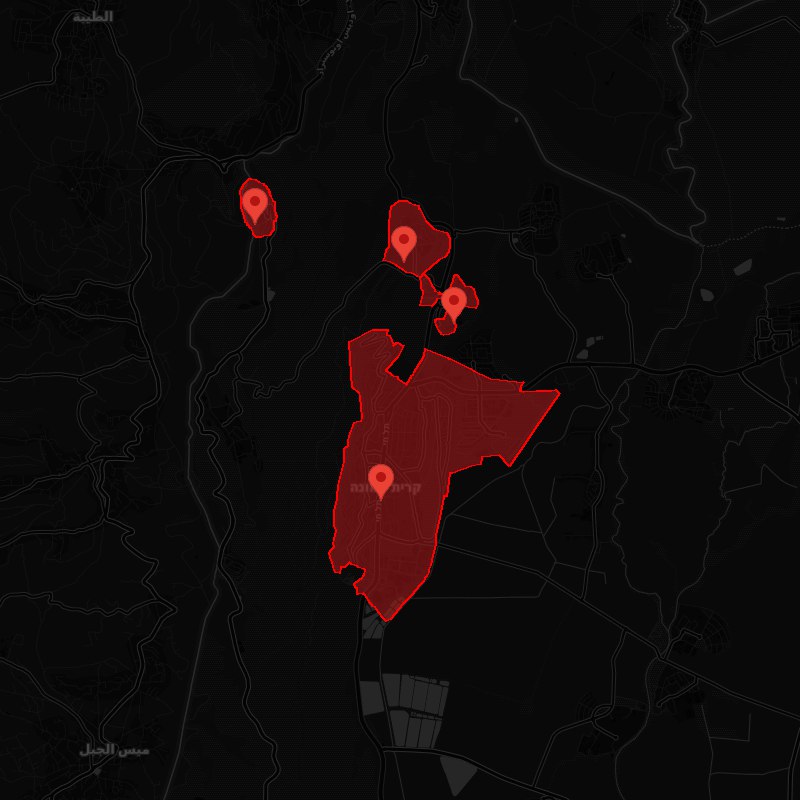
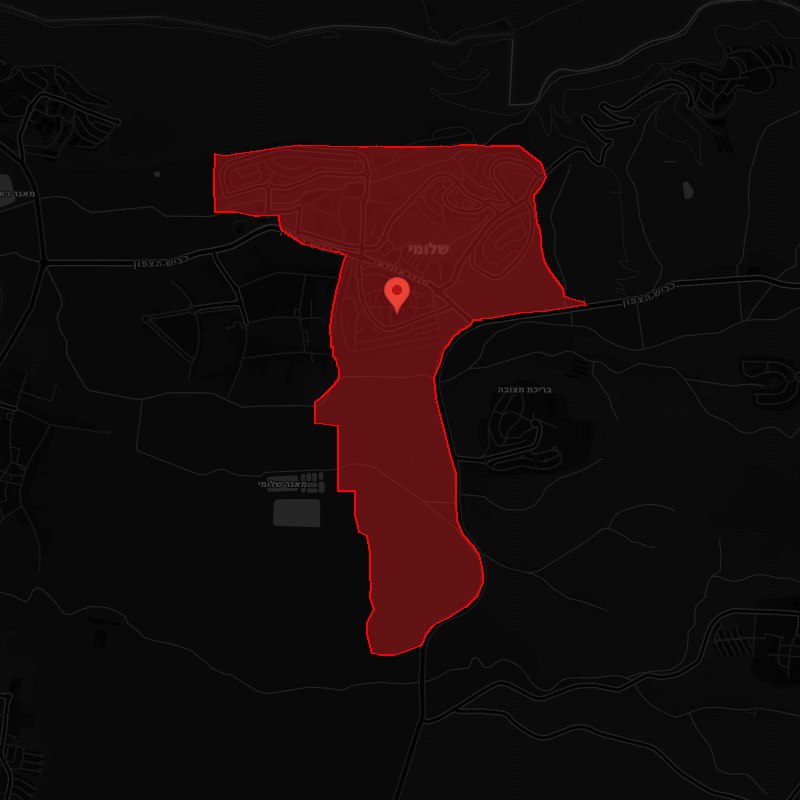
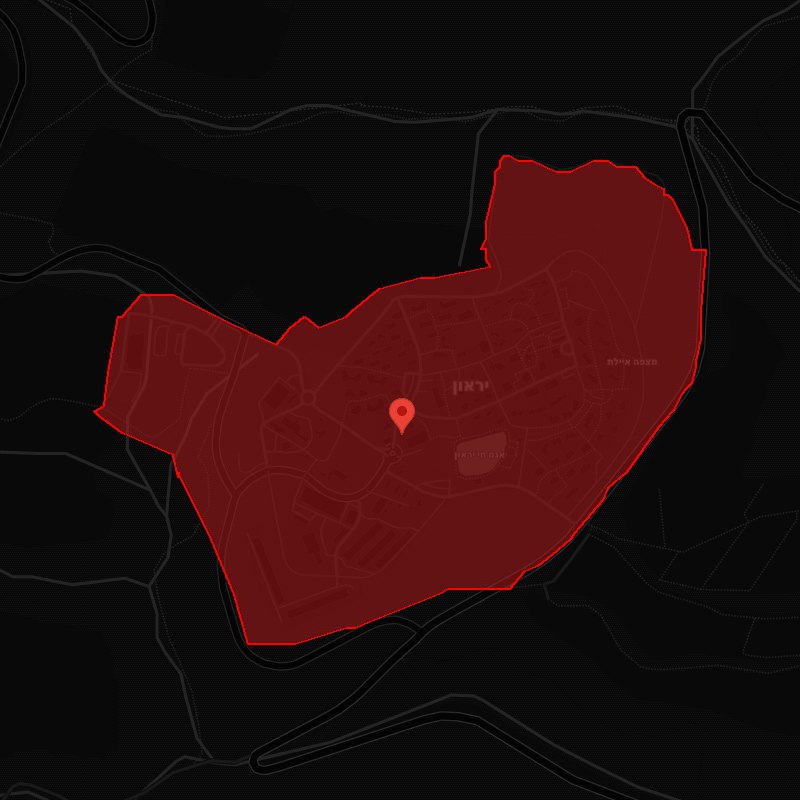
The rockets were launched from positions in southern Lebanon and travelled up to 45 km, reaching towns such as Kiryat Shmona, Misgav Am, and the Upper Galilee region. While Israeli defence forces intercepted a number of projectiles, the sheer volume overwhelmed the Iron Dome system, resulting in damage to civilian structures and agricultural assets. No confirmed fatalities were reported in the immediate aftermath, but the attack heightened the risk of civilian casualties and underscored Hezbollah’s capacity to sustain high‑intensity fire.
"Hezbollah Fires 200 Rockets at Northern Israel Biggest Barrage. Hezbollah launched 200 rockets at Northern Israel overnight, the largest barrage of the war according to the Israeli army." – monitor_the_situation
Hezbollah’s stated motive was retaliation for recent Israeli airstrikes in Beirut and the broader escalation of the Israel‑Iran conflict. The group’s arsenal included 122 mm Arash‑4 (BM‑21) rockets and 220 mm Fadi‑1 rockets, both capable of reaching deep into Israeli territory.
Iranian Missile Activity and Israeli Interceptions
Simultaneously, Iran intensified its missile campaign against Israel. At 20:03 UTC, a single Iranian ballistic missile was intercepted over central Israel by the Israeli missile‑defence system, with no debris reported (BellumActaNews). Earlier, at 14:13 UTC, an Iranian missile landed a few hundred metres from Jerusalem’s Old City, narrowly missing the Western Wall, Al‑Aqsa Mosque and the Church of the Holy Sepulchre (monitor_the_situation). The missile’s proximity to these holy sites raised concerns about potential escalation into a broader regional confrontation.
Additional Iranian missile launches were recorded throughout the day. A ballistic missile was intercepted over Haifa at 02:21 UTC (AMK_Mapping), and another missile was shot down near Safed at 04:42 UTC (monitor_the_situation). These interceptions demonstrate Israel’s layered air‑defence architecture, which includes the Arrow‑3, David’s Sling, and Iron Dome systems.
Widespread Rocket Alerts Across Israel
Beyond the major Hezbollah barrage, Israel experienced a cascade of rocket alerts from multiple sources. The RocketAlert network logged over twenty separate alerts between 22:00 UTC on 11 March and 02:00 UTC on 12 March, covering locations from Misgav Am and Kiryat Shmona in the north to Tel Aviv suburbs such as Petach Tikva and Ramat Gan. Most alerts were triggered by radar detections of rockets or missiles launched from Lebanon, Syria, or directly from Iran.
Notably, at 23:46 UTC, Iran launched ballistic missiles toward northern Israel (rnintel), and at 23:54 UTC Hezbollah fired rockets at the same region (rnintel). The overlapping attacks created a “red‑alert” environment, with Israeli civil‑defence sirens sounding continuously in the affected districts.
Hezbollah Targets Strategic Israeli Installations
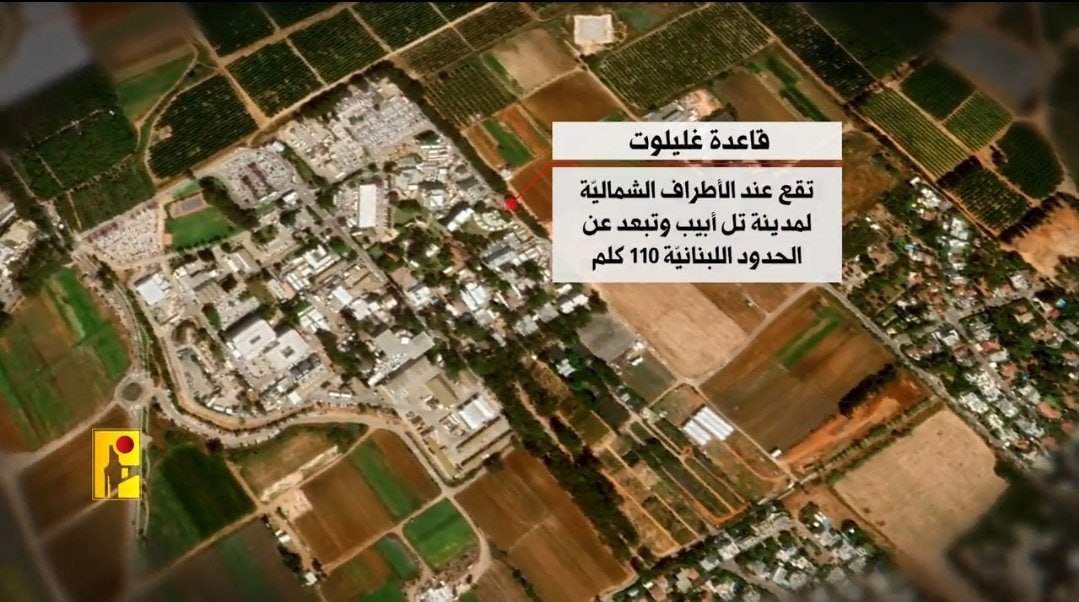
In addition to indiscriminate rocket fire, Hezbollah directed a focused missile and guided‑rocket salvo at the Glilot base, the headquarters of Israel’s 8200 Military Intelligence Unit, located in the Tel Aviv suburbs (CIG_telegram). The attack employed a mix of missiles and guided rockets, aiming to disrupt Israel’s signals‑intelligence capabilities. While the base’s fortified structures mitigated damage, the strike highlighted Hezbollah’s intent to strike high‑value military assets.
Analytical Assessment
The coordinated kinetic actions on 12 March illustrate a multi‑front pressure strategy against Israel. Hezbollah’s massed rocket barrage serves both as a retaliatory measure and a signal of its operational readiness, while Iran’s missile launches aim to test and potentially degrade Israel’s layered air‑defence shield. The frequency of rocket alerts across the country indicates a sustained threat environment, compelling Israel to allocate significant defensive resources to its northern and central sectors.
Israel’s successful interceptions of several Iranian missiles demonstrate the effectiveness of its integrated air‑defence network, yet the sheer volume of incoming projectiles strains the system’s capacity. Continued high‑intensity fire could increase the probability of civilian casualties and infrastructure damage, potentially prompting a broader ground response in southern Lebanon, as hinted by Israeli statements on a forthcoming ground operation (monitor_the_situation).
Overall, the events of 12 March underscore a heightened kinetic phase in the Israel‑Lebanon‑Iran theatre, with both state and non‑state actors employing rockets, missiles, and guided munitions to achieve strategic objectives while testing Israel’s defensive resilience.